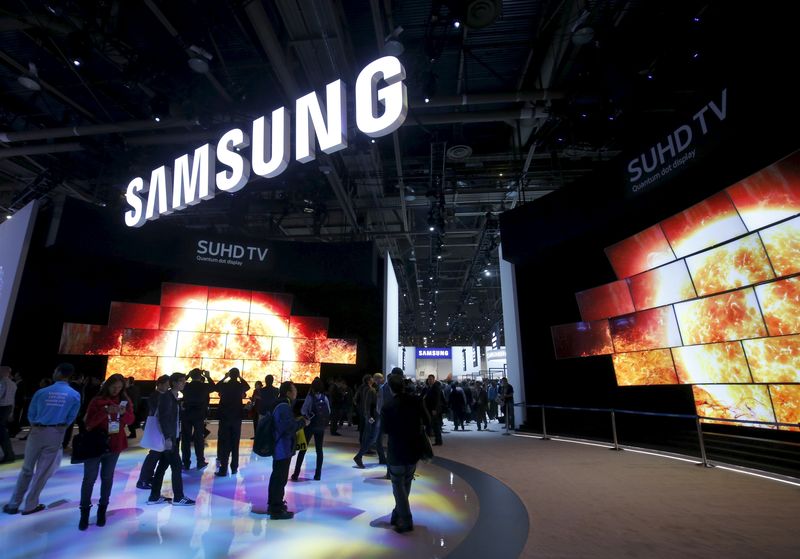
Samsung reportedly awarded memory-chip employees bonuses of up to $400,000 after strong AI-driven earnings, while non-semiconductor workers received about $4,000, highlighting widening distribution concerns. South Korea’s chip exports jumped 202% in the first 20 days of May year over year, and policymakers are discussing citizen dividends, a social solidarity wage, and potential sovereign-wealth-fund mechanisms to share AI windfalls. Samsung also announced a 4.5 trillion won ($3.33 billion) support fund over five years for suppliers, AI talent, and community programs.
The market is underappreciating how quickly AI capex can translate into domestic political pressure. When a single supply-chain node starts generating visible wage dispersion and quasi-fiscal spillovers, the policy response tends to shift from “celebrate the boom” to “tax the rents,” which is a medium-term margin headwind for the most domestically exposed winners even if near-term pricing power stays intact. That matters because the AI memory cycle is still in an early earnings up-leg, so the first-order equity reaction can remain positive while the second-order policy debate builds over the next 6-18 months.
The bigger trade is not the payroll headline itself, but the signal that excess returns are becoming socially salient. In Korea, that raises the odds of some combination of targeted surtaxes, labor concessions, supplier subsidies, and state-directed recycling of industry cash flow; each is effectively a levy on incremental shareholder return. The companies most exposed are those with the clearest “AI rent” narrative and the least diversification, while local beneficiaries shift toward suppliers, training, and industrial policy-adjacent names that can absorb government support without the same public scrutiny.
Contrarianly, the consensus may be too focused on inequality optics and not enough on macro transmission. If semiconductor compensation ripples into broader wage bargaining, the real risk is a delayed inflation impulse that forces the central bank into a tighter stance than the market expects, hurting duration-sensitive domestic assets and cyclicals with leverage. Over a multi-quarter horizon, that is the cleaner expression than trying to short the memory cycle outright, because end-demand remains strong and any policy response is likely gradual, fragmented, and politically constrained.
The other underappreciated angle is geopolitics: South Korea’s emergence as an AI export winner strengthens the case for deeper strategic support from both local and foreign policymakers, which can prolong capex and preserve margins longer than a pure cycle model would suggest. So the right posture is selective: fade domestic policy leakage, not the entire AI supply chain. The asymmetry is best expressed through pairs and hedges, not outright bearishness on the winners.
AI-powered research, real-time alerts, and portfolio analytics for institutional investors.
Request TrialOverall Sentiment
neutral
Sentiment Score
0.15
