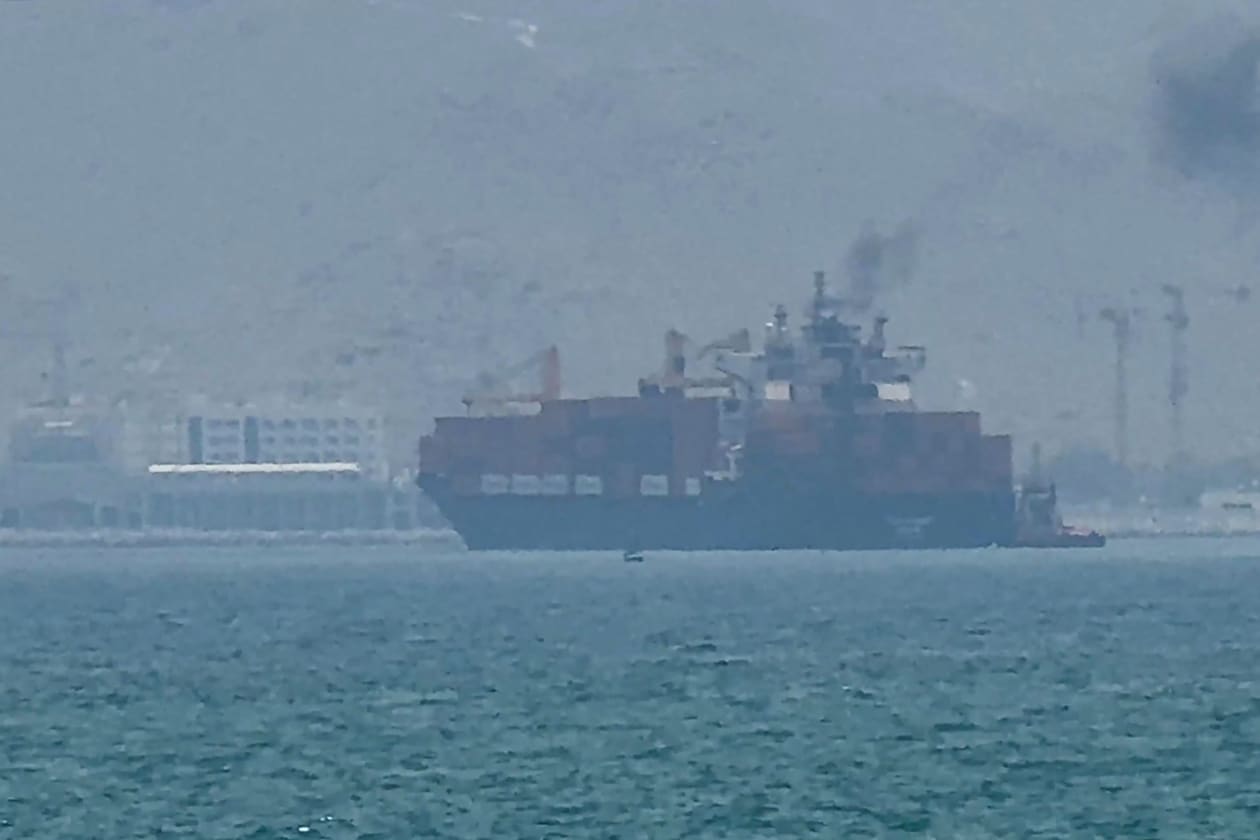
Oil prices rose following a renewed flare-up in U.S.-Iran tit-for-tat attacks near the Strait of Hormuz, while U.S. stock-index futures fell: Dow Jones futures YM00 were down ~90 points (~-0.2%) late Sunday. S&P 500 and Nasdaq-100 futures also declined, and bitcoin traded below $64,000 (about -1%), signaling a modest risk-off move driven by geopolitical energy concerns.
The immediate winners are upstream energy and any asset with embedded optionality on prompt crude volatility: XLE, XOP, and USO should outperform on a widening geopolitical risk premium even if physical barrels are not yet interrupted. The second-order effect is more important than the first-order headline move: a higher insurance/war-risk layer around Hormuz tightens delivered economics for refiners, tanker operators, and import-dependent Asian industrials before it shows up in headline supply data.
The market is likely pricing a regime shift too early if there is no evidence of sustained shipping disruption. These events often create a fast 1-3 session risk-off shock in cyclicals, airlines, transports, and small caps, but the crude move mean-reverts unless the conflict spills into actual flow constraints; that makes the equity short leg more attractive than a naked oil long if you want to express the view tactically.
The bigger structural loser is liquidity-sensitive risk assets: BTC and high-beta growth tend to trade as a de-risking proxy when real rates and energy inflation expectations rise together. If oil stays bid for 1-3 months, the harder-to-price effect is not just earnings pressure but multiple compression in consumer discretionary and rate-sensitive software as inflation persistence reduces the odds of near-term easing.
Contrarian view: consensus may be overestimating the duration of the premium because Hormuz headlines have a low hit rate on sustained physical outages. The thesis is falsified quickly if crude fades back below the pre-weekend range and front-month spreads normalize; if shipping lanes remain open and no tanker insurance spike appears, the path of least resistance is a reversal in the risk premium within days rather than weeks.
AI-powered research, real-time alerts, and portfolio analytics for institutional investors.
Overall Sentiment
mildly negative
Sentiment Score
-0.25
