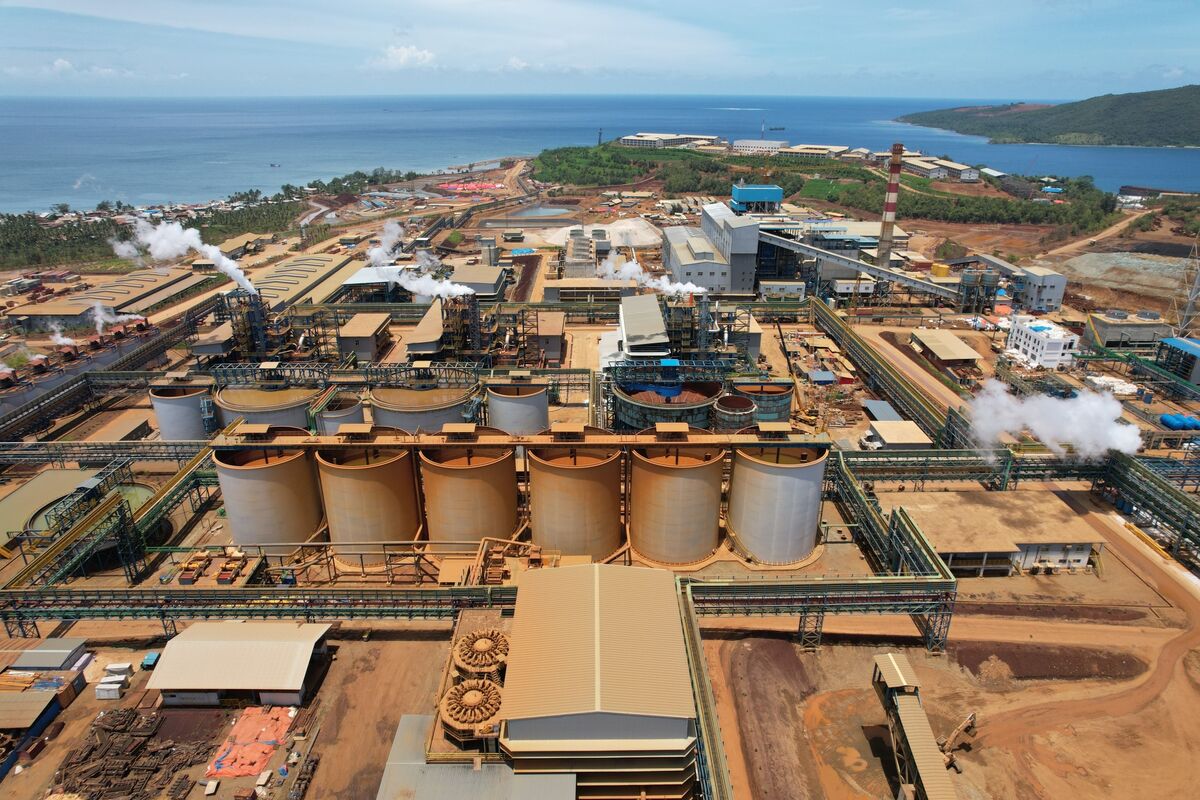
Indonesian nickel smelters utilizing high-pressure acid leaching (HPAL) are facing increased cost pressures due to a tripling in the price of sulfur, a key raw material used in the process. This development impacts the profitability of these previously low-cost producers amidst an existing oversupply in the nickel market. The increased sulfur prices challenge the economic advantage gained by using HPAL to extract metal from low-grade ore.
Indonesian nickel smelters, pioneers in utilizing high-pressure acid leaching (HPAL) technology for low-cost production, are confronting a significant challenge to their profitability. The price of sulfur, an essential chemical for the HPAL process, has surged more than threefold over the past year due to heightened demand. This substantial increase in a key raw material cost is directly impacting the economic viability of these operations, which were previously distinguished by their ability to extract metal from low-grade ore chemically, thus avoiding traditional blast furnaces. The situation is compounded by an existing glut in the nickel market, meaning these producers face margin compression at a time when overall market conditions are already unfavorable, eroding their competitive cost advantage.
AI-powered research, real-time alerts, and portfolio analytics for institutional investors.
Request DemoOverall Sentiment
moderately negative
Sentiment Score
-0.60
