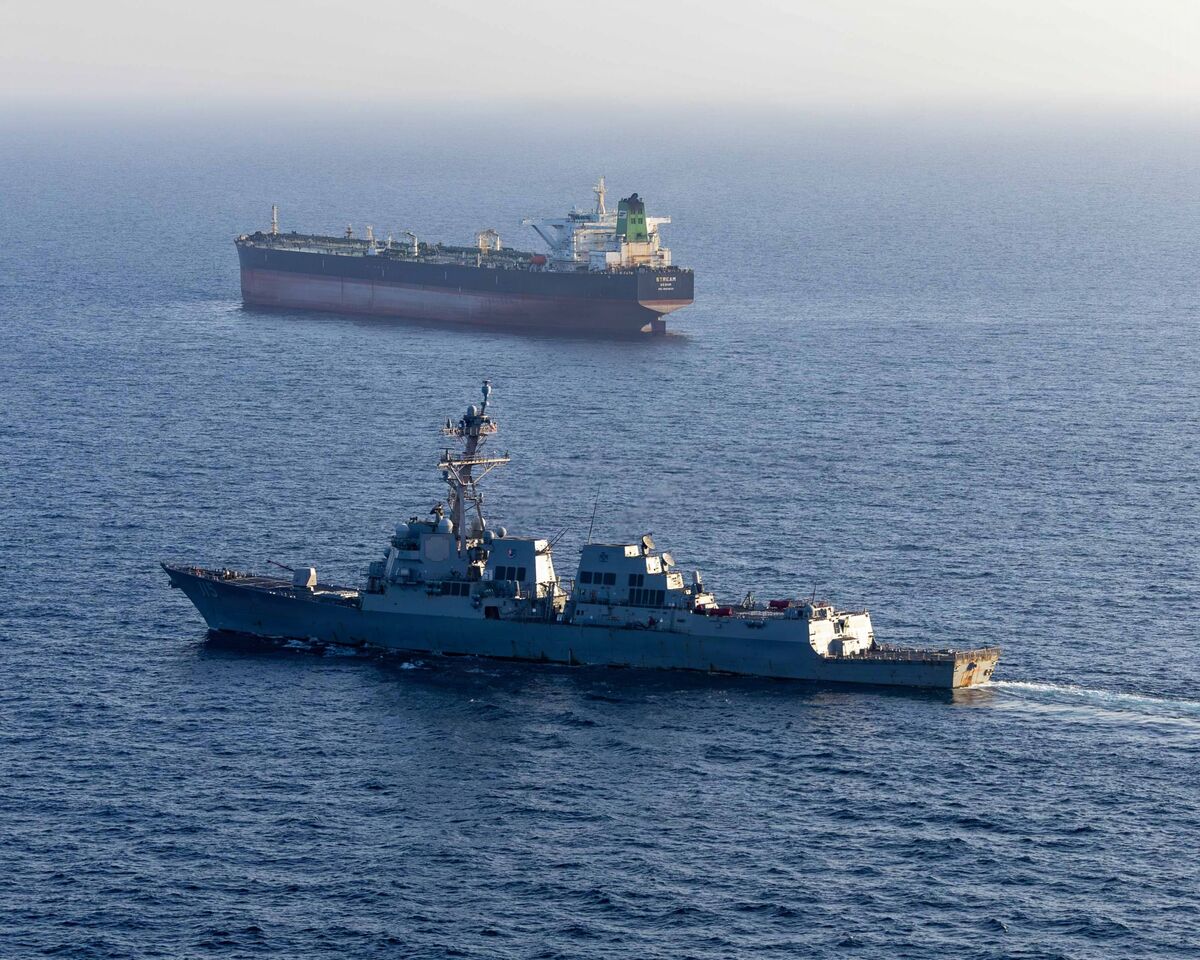
The US said the Strait of Hormuz blockade has ended and shipping is resuming, reducing a major geopolitical risk to global energy flows. The interim US-Iran peace deal is now in effect, and a 60-day negotiating clock has begun for the memorandum of understanding covering Tehran’s nuclear program. The move should ease near-term disruption risk for oil and freight markets, though negotiations remain unresolved.
The first-order read is lower freight and insurance risk premia, but the bigger effect is a reset in inventory behavior. If tanker operators and commodity desks believe access can normalize even temporarily, the market will unwind precautionary stockpiling and front-end charter urgency, which can pressure near-dated rates faster than spot energy prices. That matters most for long-haul crude routes and any logistics chain that had been paying for optionality rather than throughput.
The main beneficiaries are downstream-heavy refiners, container carriers, and industrials with heavy Gulf exposure; the losers are security-sensitive transport and defense beneficiaries that had been trading on sustained disruption. This is likely a months-long rather than days-long trade if negotiations keep progressing, because shippers can re-route quickly but capital allocation to inventory, insurance, and vessel positioning lags. The second-order risk is that even a partial normalization reduces the geopolitical risk premium across the whole energy complex, compressing volatility and hurting event-driven positioning that was long disruption.
The contrarian setup is that the market may be underpricing the fragility of the détente. A 60-day negotiation clock creates a binary window: if talks stall, there is room for a fast re-pricing because logistics participants will not wait for confirmation before rebuilding hedge ratios. That asymmetry favors optionality over outright directional bets, since the upside from calm is more gradual than the downside from a breakdown is abrupt.
For defense names, any rally built purely on Hormuz tail risk should fade unless the deal collapses; the more durable beneficiaries are cyber, surveillance, and base logistics rather than headline missile-defense exposure. For energy, the key is not crude direction alone but the path of implied volatility: lower vol can hurt producers even if spot only gives back a small fraction, because equity multiples are sensitive to the market’s willingness to capitalize cash flows at a lower discount rate.
AI-powered research, real-time alerts, and portfolio analytics for institutional investors.
Request DemoOverall Sentiment
mildly positive
Sentiment Score
0.20
