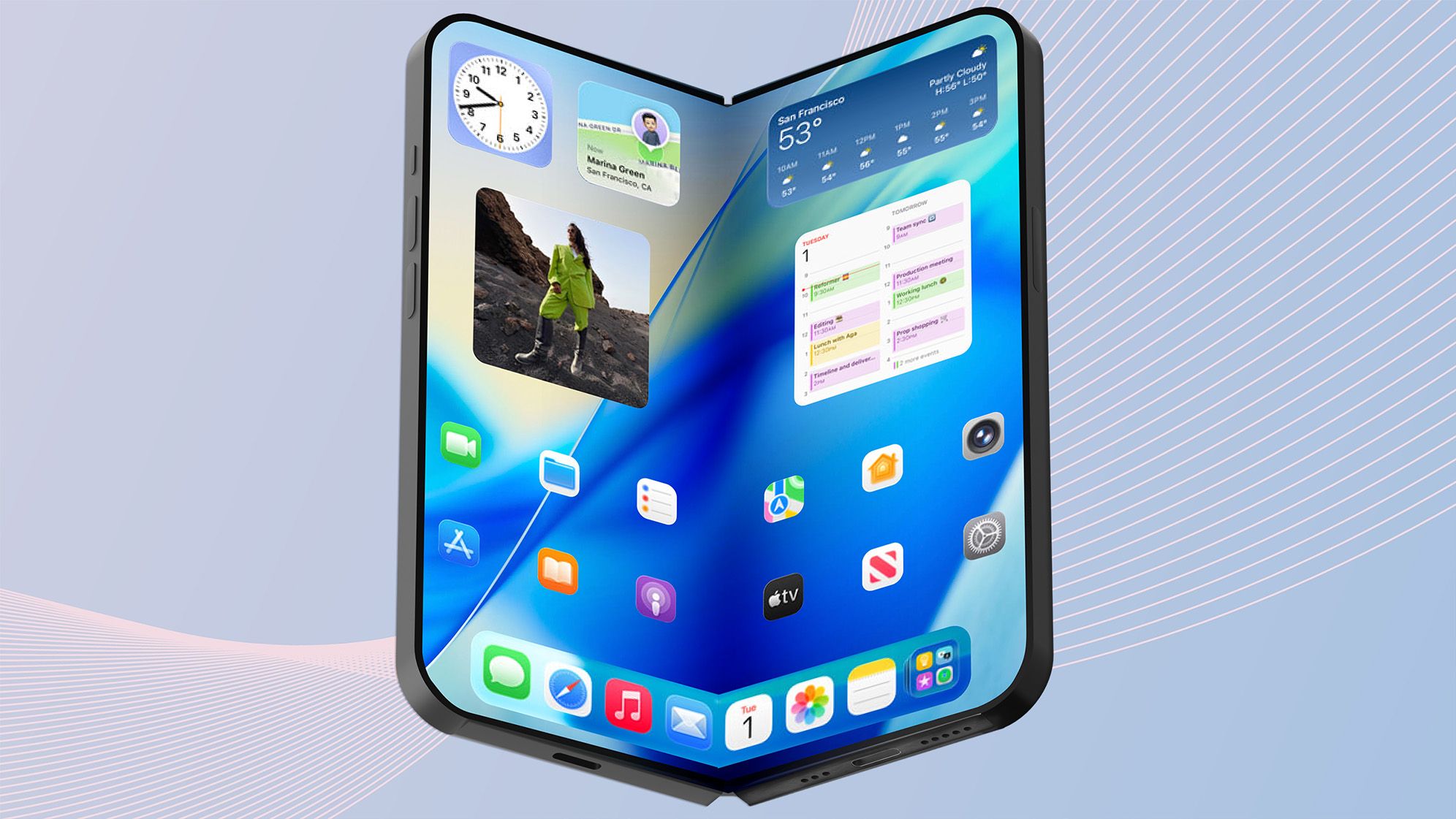
Apple’s rumored foldable iPhone, possibly branded iPhone Ultra, is expected to launch at over $2,000, but the article argues it may underdeliver on basics such as camera hardware and durability. Reported compromises include two rear 48MP cameras instead of a triple-lens setup, with no telephoto lens, and an emphasis on crease-free display engineering over toughness. The piece suggests Apple should prioritize core specs and durability if it wants to justify a premium foldable price and meaningful demand.
The market is still treating the foldable as a “halo” product, but the more important implication is that Apple may be capping its own addressable market by over-optimizing for a single industrial-design metric. If the first foldable ships without a clearly superior camera stack and with durability questions unresolved, it risks becoming a prestige SKU that cannibalizes some Pro Max demand without expanding the total iPhone pie. That is a worse outcome for AAPL than a delayed launch with a more complete feature set, because the stock already discounts premium pricing power, not novelty alone. The second-order read-through is stronger for component suppliers than for Apple’s end market: foldables that require tighter tolerances, advanced hinges, titanium structures, and specialized display stacks tend to concentrate value in a narrower set of mechanical and materials vendors. But if Apple chooses to keep camera and feature scope muted, it may limit the expected mix uplift that usually flows to optical and sensor content per unit. In other words, the supply-chain beneficiaries are likely to be the industrial and display-enabling names, while the traditional camera/content winners may see less upside than consensus expects. The key risk window is 6-12 months around launch and first consumer reviews. If initial reviews emphasize compromise over “must-have” differentiation, Apple could see a weaker-than-expected replacement cycle among high-income users already sitting on Pro Max devices, especially given the current memory of durability issues in the premium line. On the flip side, if Apple ships a truly category-leading hinge and display with no reliability headlines, the market will quickly forgive a conservative camera spec as long as resale value and long-term durability support the premium narrative. Consensus may be underestimating how little consumers tolerate “premium with caveats” at a $2,000+ price point. The foldable market has already had several years to prove it is more than a niche, and Apple’s entry is less about proving demand exists than about whether Apple can finally convert curiosity into upgrade intent. If the device lands as an expensive compromise, it will validate the bearish view that even Apple cannot fully overcome foldable ergonomics and value objections on brand alone.
AI-powered research, real-time alerts, and portfolio analytics for institutional investors.
Request DemoOverall Sentiment
mildly negative
Sentiment Score
-0.15
Ticker Sentiment
