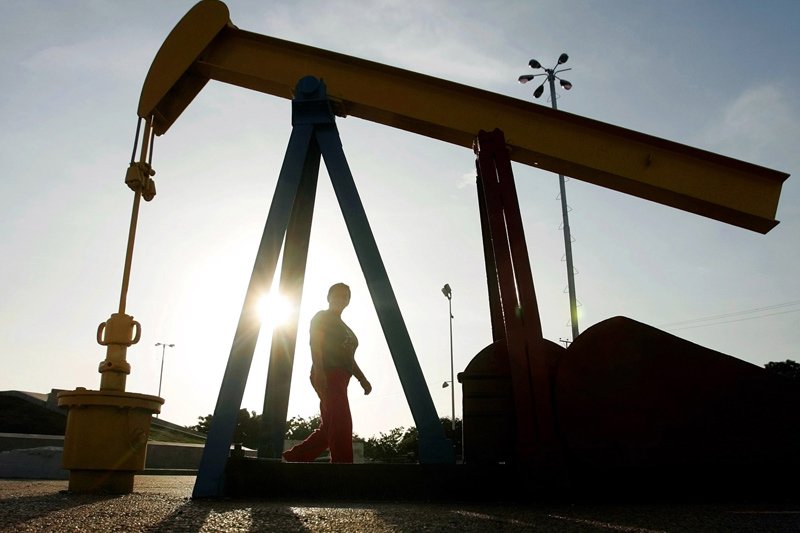
Diamondback Energy (NASDAQ:FANG) is presented as an undervalued Permian Basin producer with $200.71/share market pricing, a $56.46B market cap, and 51.55% 1-year returns, but near-term EPS estimates are mixed at $13.25 for fiscal year one versus $12.80 for year two. The bullish case hinges on geopolitical risks in Venezuela, Russia, China, and Iran pushing WTI above the current ~$65/bbl level, while rising lease operating expenses and water sales costs could pressure margins. Barclays reiterated an Overweight rating with a $178 target, and KeyBanc also cited Overweight, but the article remains balanced between oil-price upside and cost headwinds.
The near-term winner is not the broad energy complex but high-quality Permian beta with operating leverage to realized prices and minimal balance-sheet drama. If geopolitics adds even a modest $5-10/bbl risk premium, the incremental cash flow flows disproportionately to low-decline shale names that can flex completions quickly; that makes FANG more interesting than the majors, but also more sensitive to the market realizing the upside faster than physical disruptions actually show up. The market is likely underpricing the second-order effect of cost inflation if oil does re-rate: service intensity, water handling, and midstream bottlenecks tend to tighten after price spikes, so the first-order benefit to producers can be partially offset within 1-2 quarters. That means the cleanest trade is not a naked long for months on end, but a staged exposure designed to monetize a geopolitical headline burst before the industry cost curve catches up. The contrarian angle is that the current setup may be more about sentiment than fundamentals. If diplomatic progress with Iran reduces tail risk, the commodity can mean-revert quickly because speculative length is already vulnerable at mid-$60s WTI; in that scenario, FANG’s multiple compression could outpace the earnings revision cycle. The decline in forward EPS expectations is also a warning that the market is not rewarding growth for growth’s sake anymore — capital discipline matters, but only if it translates into visible free cash flow per share rather than just production maintenance. For the broader ecosystem, a softer oil tape is bad for smaller producers with higher lifting costs and for service names that had been pricing in a tighter activity cycle. The best relative trade is therefore within energy: long the stronger Permian operators versus short the higher-cost laggards, with the thesis that any price spike will widen dispersion before it lifts the whole group.
AI-powered research, real-time alerts, and portfolio analytics for institutional investors.
Request DemoOverall Sentiment
mildly positive
Sentiment Score
0.15
Ticker Sentiment
