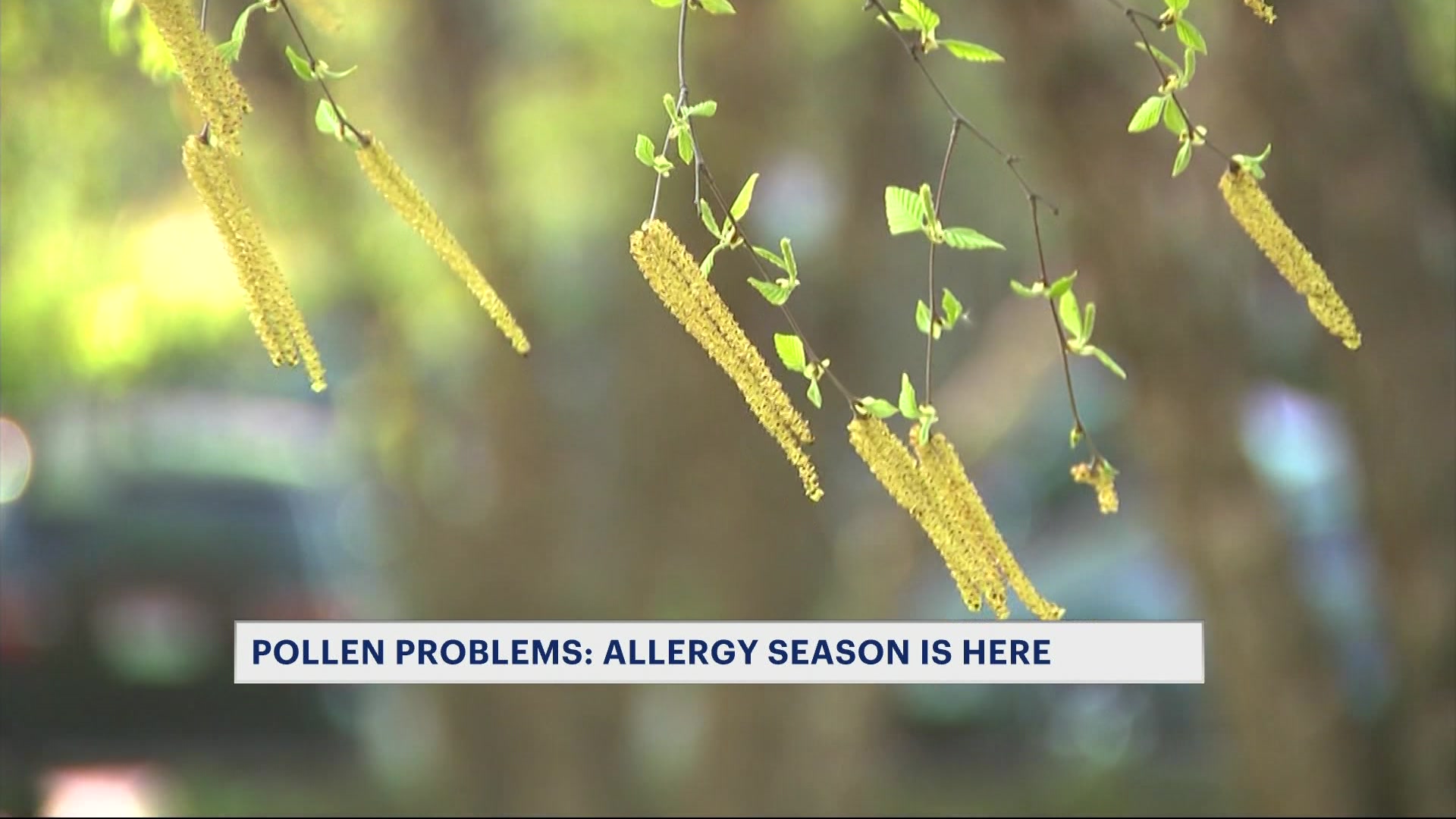
Pollen levels are expected to spike within the next two weeks, with experts warning that this allergy season could hit harder than usual. Rising carbon dioxide levels are reportedly increasing pollen production, while the Bronx’s pollution may further worsen symptoms for sensitive residents. Doctors are advising early medication use, masks outdoors, and longer-term treatments such as allergy shots.
The investable read-through is less about “allergy season” and more about a near-term burst in demand for symptomatic treatment and adherence-sensitive products. The key second-order effect is timing: when symptoms flare abruptly, consumers and parents buy on impulse, which disproportionately helps OTC brands with shelf dominance and pharmacies with high traffic, while lower-visibility generics and mail-order channels lag. If the pollen spike hits within two weeks, the revenue impulse should show up first in front-end retail scans and pharmacy basket size, not in broad healthcare utilization.
The bigger winner set is likely the broad OTC/cold-and-flu ecosystem: antihistamines, saline sprays, nasal steroids, tissues, humidifiers, and air-filtration accessories. The consumer behavior dynamic matters more than the medical one—people who start treatment early tend to buy combination regimens and refill faster, which supports premium branded products and private-label turnover alike. That also creates a short-lived pricing power window for retailers with strong pharmacy execution, while payer-sensitive channels and physician-office allergy therapeutics benefit only with a lag.
The contrarian risk is that this is a weather-timing trade, not a durable trend. If rain, cooler temperatures, or a quick warm-up shifts pollen dispersion, the spike can compress into days rather than weeks, leaving inventory-heavy retailers exposed to a demand air pocket after the initial rush. The longer-dated ESG/climate angle is more interesting: higher CO2 and pollution are structural catalysts for recurring seasonal intensity, but that thesis is too slow for a tactical trade unless you express it through secular health-wellness and indoor-air quality demand rather than acute allergy relief.
For health insurers and employers, the near-term cost impact is usually modest but nonzero: more urgent care visits, more productivity loss, and a small uptick in medication claims. The real margin pressure is indirect—absenteeism and presenteeism hit service businesses first, which makes this a subtle negative for labor-intensive sectors if symptoms are widespread in a given region. That argues for watching local mobility and foot-traffic data rather than trying to underwrite a broad macro healthcare effect.
AI-powered research, real-time alerts, and portfolio analytics for institutional investors.
Request TrialOverall Sentiment
mildly negative
Sentiment Score
-0.15
