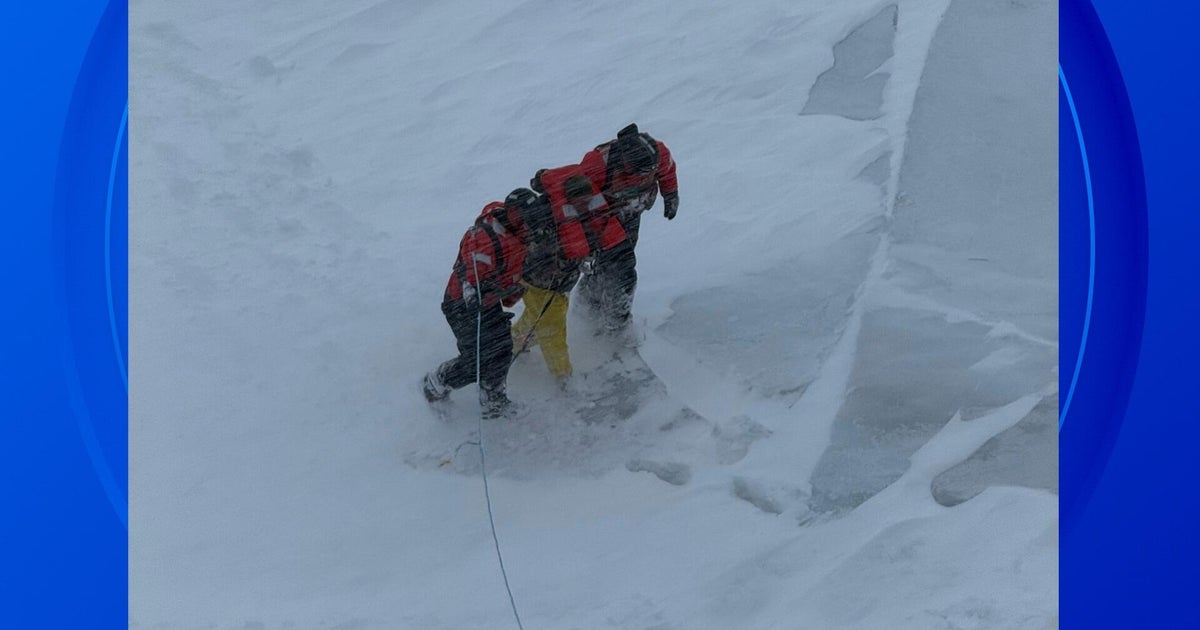
Two crew members were killed and two injured in a confined-space incident aboard the freight barge Waynehoe moored about 25 miles northwest of Ketchikan; the Coast Guard received a mayday at 9:14 a.m. local time Sunday and is investigating. Family members report high methane levels in the space, though the Coast Guard has not confirmed that; the bodies were sent to Anchorage for autopsies and the two survivors are reported in good condition. Operational impact appears limited and local, but the incident raises maritime safety and regulatory risk for operators and contractors working on confined spaces.
This kind of enclosed-space fatality typically triggers a cascade: accelerated regulator scrutiny, faster insurer repricing, and near-term spikes in demand for gas-detection and confined-space remediation kit. Expect regional insurers and underwriters to open new filings and rate requests within 1–3 quarters, driving a 5–15% lift in premiums for smaller tow/barge operators while larger, diversified fleets can absorb compliance costs and convert higher entry barriers into pricing leverage.
Operationally, equipment and training vendors capture the earliest and cleanest upside — gas sensors, ventilation blowers, remote-entry robotics and e-learning for confined-space permits see procurement decisions on a 3–12 month cadence. Capital intensity is low for buyers but recurring: one-time kit purchases (modest capex per vessel) plus ongoing service contracts; a 10–25% reorder bump in a single selling season is plausible for niche suppliers.
Strategically, this raises the probability of consolidation among regional operators over 12–36 months. Smaller operators facing stepped-up premiums and compliance overhead will either sell to strategic buyers or exit local routes, benefiting public companies with scale, stable balance sheets, and existing compliance infrastructure.
Catalysts to watch: preliminary investigation findings and USCG/OSHA guidance in the next 4–12 weeks, regional insurance rate filings over 1–3 quarters, and any class-action or state enforcement actions within 6–12 months. The contrarian risk is that the market treats this as idiosyncratic; if regulatory reaction is muted, short-term trades tied to safety suppliers and insurers could underperform.
AI-powered research, real-time alerts, and portfolio analytics for institutional investors.
Request DemoOverall Sentiment
moderately negative
Sentiment Score
-0.70
