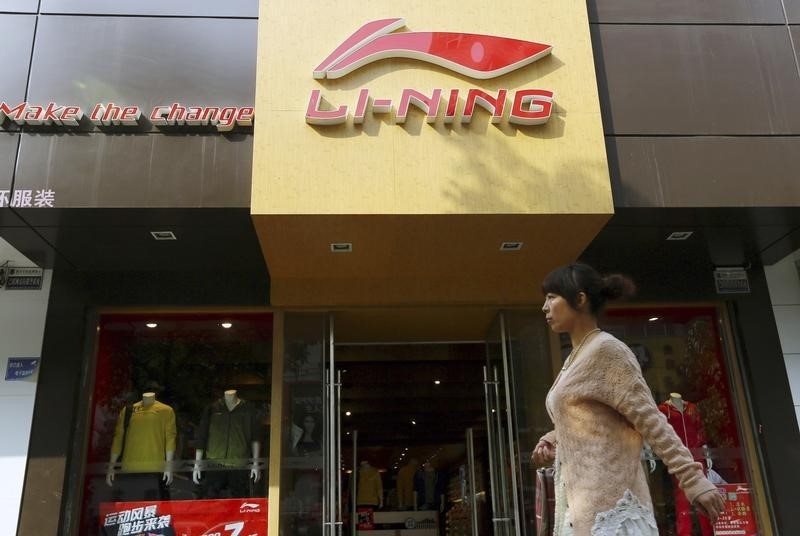
Revenue rose 3.2% YoY to RMB29.6bn, while net profit fell to RMB2.94bn from RMB3.01bn (≈-2.3%); net margin narrowed to 9.9% from 10.5% (-60bps) and gross margin eased 0.4pp to 49%. Retail sell-through was flat across online and offline channels, and higher marketing, tax and operating costs plus investments in branding, e-commerce and supply-chain optimization pressured profitability despite product and tech-led improvements.
Li Ning’s profitability headwinds are less a product problem than a capital allocation choice: management is trading near-term margin for higher brand salience and channel penetration. That dynamic creates a predictable cash-flow cadence — elevated marketing and e-commerce spend now, with a 2–4 quarter lag before unit economics improve — which raises the odds of continued margin compression in the next two reporting cycles even if sell-through stabilizes.
Second-order winners include e-commerce platforms, logistics providers and creative/brand agencies that capture the incremental marketing spend; second-order losers include smaller domestic peers dependent on price-led growth and upstream contract manufacturers who might face squeezed margins if volumes don’t accelerate. Competitors with lower incremental marketing needs and broader physical footprints (scale distributors, multi-brand retailers) are positioned to pick off share if Li Ning’s ROI on new campaigns disappoints.
Key catalysts to watch are seasonal sell-through (Singles’ Day and Lunar New Year) and input-cost moves: a softening in polyester or energy-linked textile costs would materially accelerate margin recovery, while macro strain in discretionary spending (property distress, consumer credit tightening) would deepen the current trend. The consensus underestimates the optionality from product premiumization — if Li Ning’s higher-priced SKUs stick, margin recovery can be sharp; if not, expect prolonged profit-at-risk and valuation multiple compression across the mid-cap sportswear cohort.
AI-powered research, real-time alerts, and portfolio analytics for institutional investors.
Overall Sentiment
mildly negative
Sentiment Score
-0.25
