

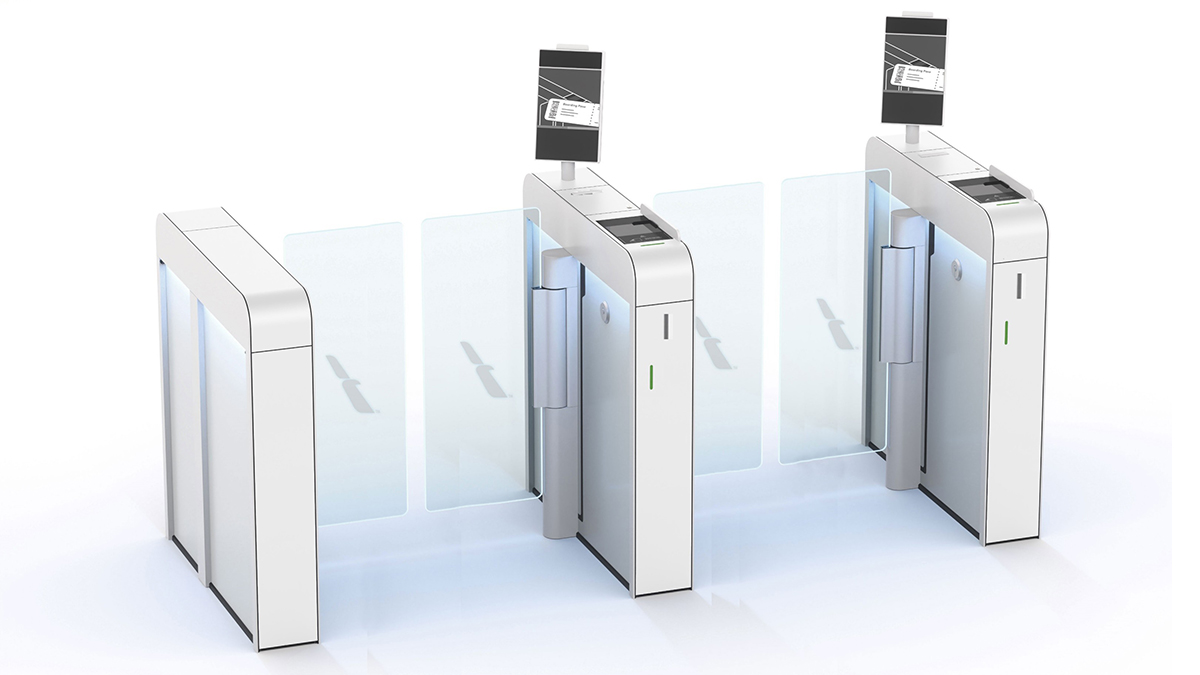
American Airlines is launching nearly 20 electronic boarding gates at Dallas Fort Worth International Airport beginning this summer, starting with the new Terminal C Pier Expansion. The rollout is designed to streamline boarding, reduce congestion, and improve the customer experience, with plans to expand the technology to additional hubs over time. The initiative is a modest positive for operational efficiency and service quality, but it is not a major near-term financial catalyst.
The important read-through is not the hardware itself but the operating leverage embedded in boarding throughput. If the gates reduce gate-agent touches, conflict resolution, and irregular boarding friction, the incremental value accrues in two places: lower unit labor intensity and better schedule fidelity at the hub level. That matters most for a carrier whose economics are still highly sensitive to small changes in turnaround reliability and misconnect risk, especially at a banked hub like DFW.
Second-order, this is a soft signal that American is standardizing a repeatable operating model across its domestic network. If execution is strong, the competitive edge is less about customer delight than about raising the minimum bar for process discipline across the big three network carriers. The threat to peers is not immediate revenue leakage; it is that they are forced to follow, which compresses differentiation while pushing capex and integration spend into an already margin-fragile industry.
The market may be underestimating the implementation risk curve. New boarding tech can create local bottlenecks during initial rollout, and any visible queueing or false-pass incidents would quickly erode the narrative. The more material catalyst is whether this translates into better on-time performance and lower station labor needs over the next 2-3 quarters; if it does not, the stock likely treats this as a cosmetic modernization rather than an earnings lever.
AI-powered research, real-time alerts, and portfolio analytics for institutional investors.
Overall Sentiment
mildly positive
Sentiment Score
0.35
Ticker Sentiment
