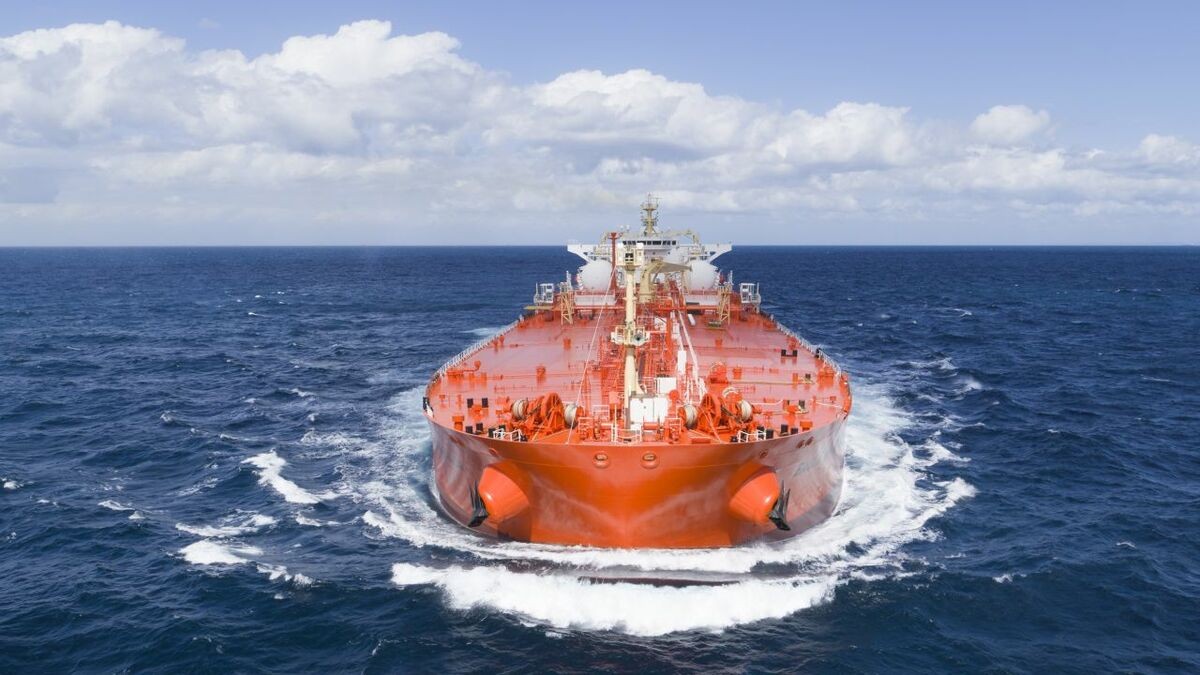
The Xi-Trump summit produced no framework, timetable, or joint initiative to stabilize the Strait of Hormuz, leaving a critical global energy and shipping chokepoint vulnerable amid ongoing Iran-related tensions. The article says crude prices are climbing, tanker markets remain volatile, LNG markets are tight, and shipowners and insurers still lack confidence in transit security. The lack of U.S.-China alignment raises the risk of prolonged disruption across oil, LNG, and maritime supply chains, with broad market-wide implications.
The market is pricing this as a bilateral diplomacy miss, but the more important implication is that chokepoint risk is becoming endogenous to the trading system rather than a temporary shock. If access to Hormuz becomes selectively allocated by political alignment, the marginal loser is not just LNG importers; it is the entire pricing and insurance stack that depends on fungibility, forcing a higher structural risk premium across seaborne energy.
For LNG specifically, the setup is worse than a simple spot rally. Europe and Asia are competing for a smaller pool of reliable molecules, while freight, war-risk premia, and diversion days can compound into a persistent landed-cost shock even if headline gas prices retrace. That should widen the earnings dispersion between companies with index-linked, flexible portfolios and those exposed to spot procurement or constrained routing.
The second-order effect is on capital allocation: shipowners, terminals, and insurers will demand higher returns for Gulf exposure, which slows project FIDs and raises hurdle rates for infrastructure tied to Middle East throughput. In the near term, the key catalyst is whether any credible multinational maritime framework emerges; absent that, the risk premium can keep expanding over weeks, not days, because confidence loss is slower to repair than the physical disruption itself.
Consensus may be underestimating how sticky this is once routing norms change. Even if flows normalize intermittently, counterparties have learned that security guarantees are not the same as commercial assurance, which means the market may permanently reprice optionality, not just barrels. The trade is therefore less about one-off spike risk and more about a regime shift toward structurally tighter LNG and tanker markets.
AI-powered research, real-time alerts, and portfolio analytics for institutional investors.
Request DemoOverall Sentiment
strongly negative
Sentiment Score
-0.82
Ticker Sentiment
