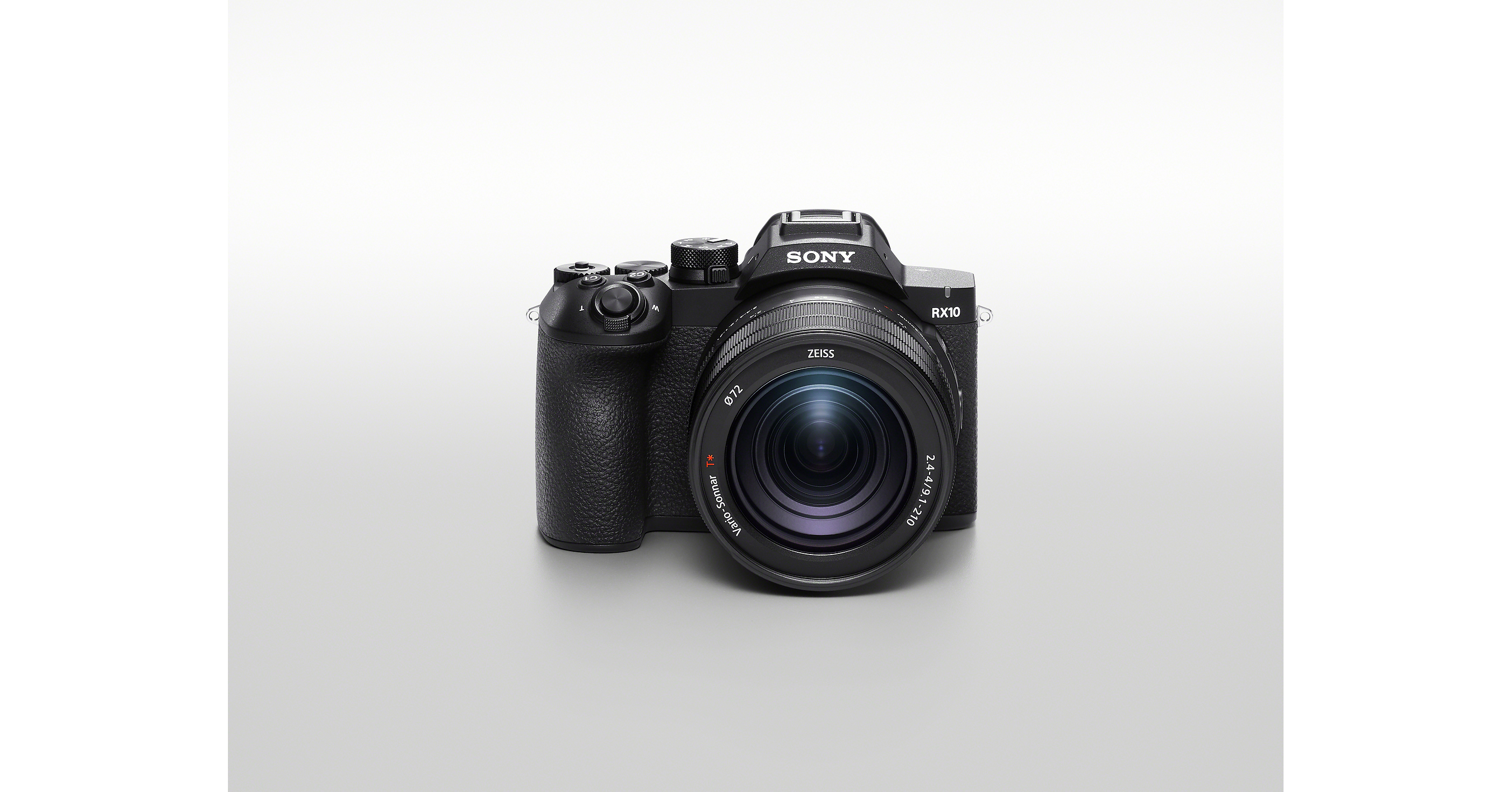
Sony Electronics launched the RX10 V, a new all-in-one camera with a 24-600mm1 (25x optical zoom) ZEISS Vario-Sonnar T lens and AI-powered Real-time Recognition AF. It adds blackout-free continuous shooting up to 30 fps2 (and up to 60 AF/AE calculations per second7), uses a 20.1MP 1.0-type stacked Exmor RS sensor, and supports 4K 120p video. The RX10 V is priced at $2,299.99 (US) and is available starting August 2026, which is incremental product-news impact rather than a material market move.
This is more of a margin-defense and brand-retention event than a top-line inflection. Sony is protecting a profitable niche where it can still sell premium hardware on feature depth, and the real economic value is not the camera body itself but ecosystem stickiness: lenses, accessories, creator education, and cross-sell into Alpha users. The incremental AI features are unlikely to change group earnings, but they help sustain pricing power in a category that would otherwise be vulnerable to smartphone substitution.
The competitive implication is subtle: Canon and Nikon are still the main peer set, but the bigger threat is not one model losing share—it is the erosion of the enthusiast upgrade cycle. If this launch meaningfully improves conversion for wildlife/sports creators, it can slow churn to mirrorless systems and protect Sony’s premium imaging moat. Second-order benefit could accrue to adjacent imaging component suppliers and aftermarket accessories, while the risk is that the product becomes a halo item with low volume and little financial visibility.
Catalyst-wise, the market will likely care more about initial reviews, preorder velocity, and channel checks over the next 1-3 months than the announcement itself. If early feedback says the AI/autofocus gain is incremental rather than category-defining, the move in SONY should fade quickly; if sell-through is strong, it is a modest positive for sentiment into holiday seasonality. Over 6-18 months, the key question is whether Sony can translate this into higher ASPs and a healthier imaging mix, not unit growth alone.
The contrarian view is that investors may be underweight the strategic value of keeping a cult product line alive in a shrinking but highly profitable category. Conversely, the market may be overreacting to "AI" language that is unlikely to materially change economics. This reads as a small positive for SONY, but not enough to justify a broad rerating unless there is evidence of real demand elasticity in the August release window.
AI-powered research, real-time alerts, and portfolio analytics for institutional investors.
Request DemoOverall Sentiment
mildly positive
Sentiment Score
0.25
Ticker Sentiment
