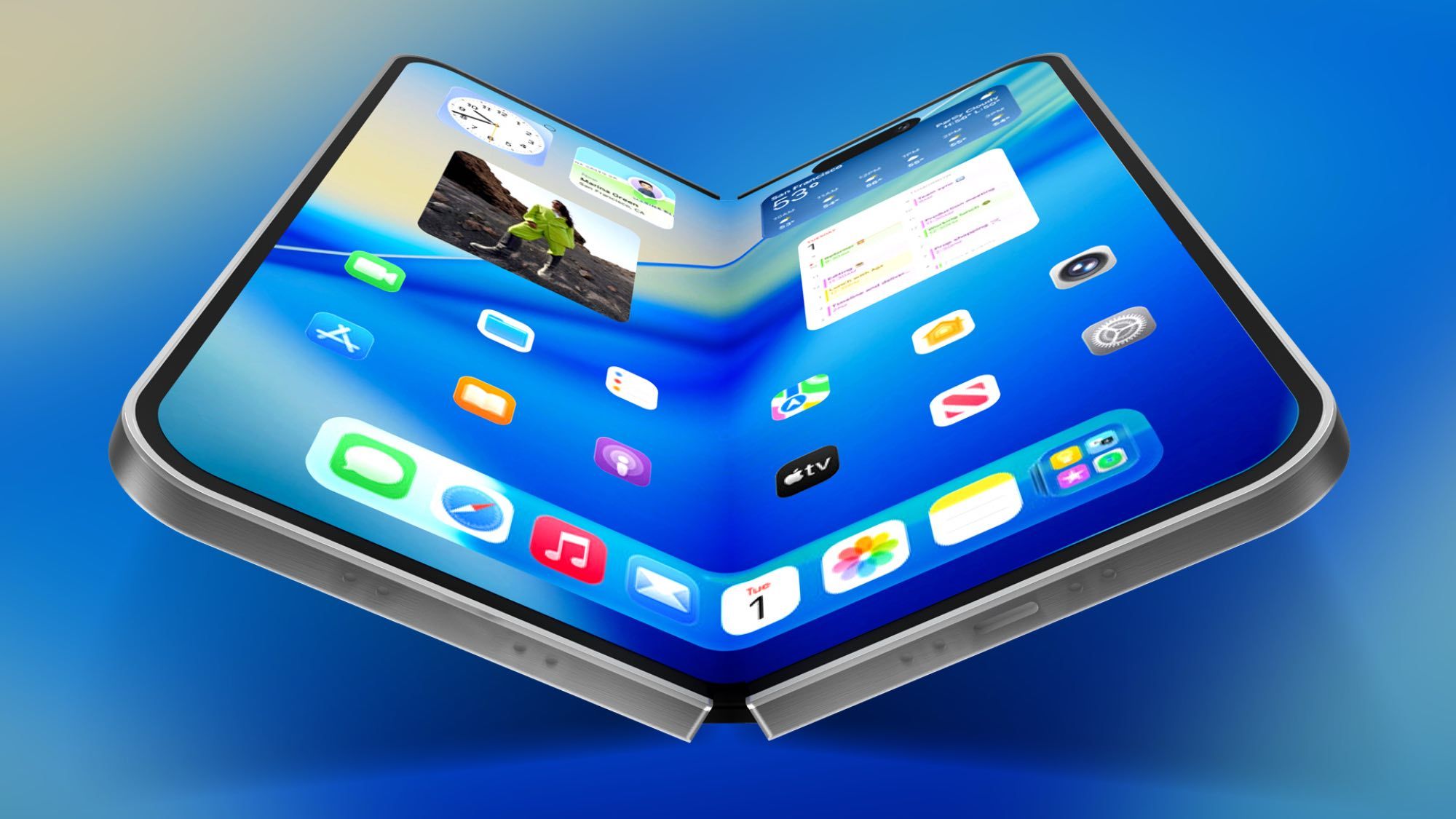
Apple's rumored foldable iPhone is said to be closer to launch because it may have solved the display crease problem using optically clear adhesive (OCA) and other glass design changes. The device is expected to feature a 7.8-inch Samsung-built main display, a 4:3 aspect ratio, and pricing around $2,000 to as high as $2,399. Launch timing remains uncertain, with reports pointing to either Apple's September event or a December 2026 reveal.
Apple solving the crease problem matters less as a hardware novelty and more as a signal that the company is finally comfortable monetizing a new premium form factor without diluting its brand promise on polish. If the crease is genuinely suppressed, the biggest economic winner is not just AAPL but the ecosystem around the bill of materials: Samsung Display, specialty glass/adhesive suppliers, hinge/mechanical precision vendors, and likely carriers that use a $2k-plus device to push richer financing and trade-in cycles. The second-order loser is the broader Android foldable category, because Apple typically compresses acceptable design standards and forces peers to spend more to defend share. The key near-term catalyst is not unit volume but mix. Even a modest attach rate in Apple’s installed base can create a high-margin upgrade pool, but the launch window matters: a September reveal would likely pull forward channel inventory and options activity, while a delayed debut would keep this as a “future optionality” story instead of a fiscal-year catalyst. The biggest fundamental upside for AAPL is that this product can extend premium ASP leadership without requiring mass-market penetration; the biggest risk is that a first-generation foldable still suffers durability or software friction, which would cap enthusiasm after the initial launch spike. The market is probably underestimating how much of this is a supply-chain proof point rather than a demand proof point. If Apple’s materials stack really reduces crease visibility, that validates a higher-cost, tighter-tolerance manufacturing standard that smaller Android OEMs cannot easily replicate, which can widen Apple’s quality moat even if gross margins are slightly diluted at launch. The contrarian read: the stock may not need heroic unit assumptions—what matters is whether this unlocks a multi-year premium refresh cycle and expands Apple’s pricing power in the top decile of the market.
AI-powered research, real-time alerts, and portfolio analytics for institutional investors.
Overall Sentiment
mildly positive
Sentiment Score
0.20
Ticker Sentiment
