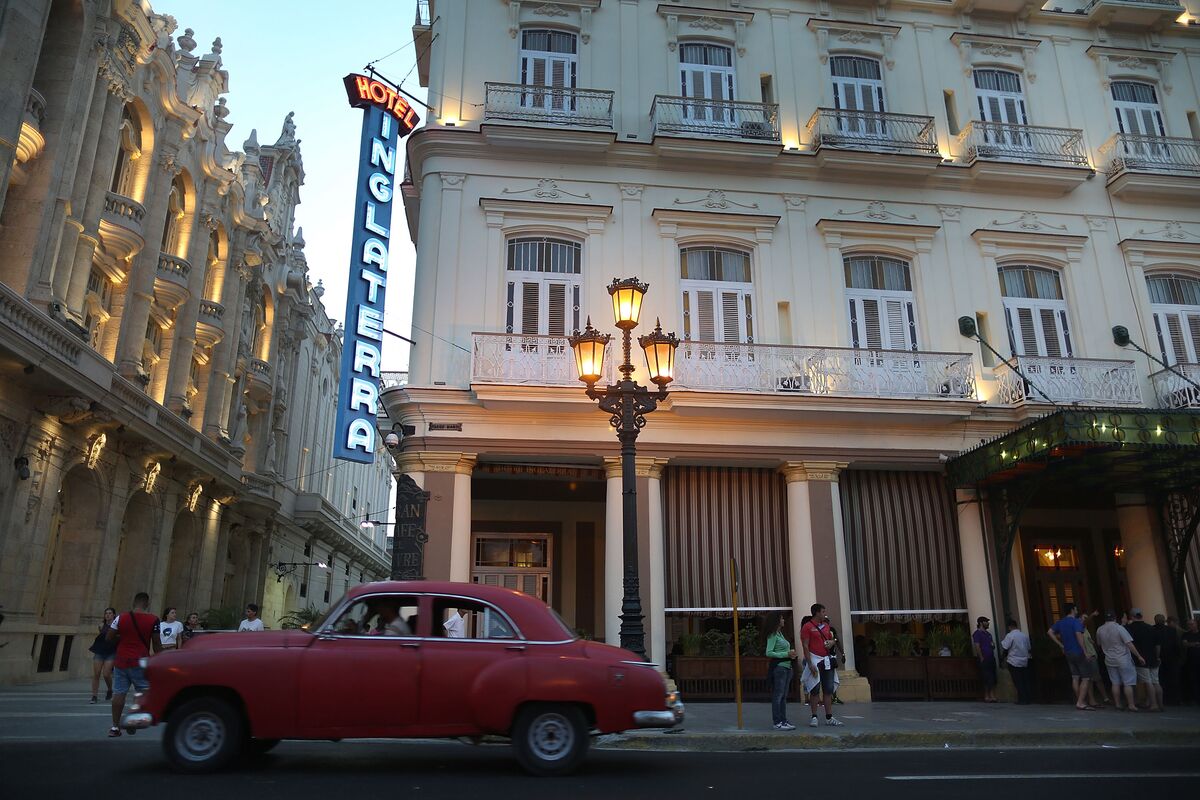
Royalton Hotels & Resorts shut down its Cuban operations after the US imposed a de facto fuel blockade and expanded sanctions targeting foreign companies. The company had operated 62 hotels across 10 brands in Cuba, including the Royalton Paseo del Prado and Hotel Inglaterra in Havana, but did not own the properties. The move is negative for Cuba’s hotel sector and underscores rising sanctions risk for foreign operators, though the direct market impact should be limited to individual travel and leisure exposures.
The important read-through is not Cuba-specific travel demand; it is the signal that compliance risk is becoming a primary operating constraint for any foreign platform exposed to sanctioned jurisdictions. That creates a fast second-order benefit for larger global hotel chains and OTAs with cleaner legal footprints, because owners in politically sensitive markets will prefer brands that can stay open, preserve distribution access, and avoid abrupt operating interruptions. In practice, that widens the moat for Marriott/Hyatt-style asset-light models versus regional operators whose revenue can be switched off by policy.
The bigger near-term loser is the local hospitality ecosystem: hotel staff, local suppliers, and transport operators lose occupancy-linked demand immediately, while property owners face a cash-flow gap and potential deterioration in asset quality. Over the next 3-12 months, this can trigger a negative feedback loop where fewer foreign operators means less service quality, lower international arrivals, and worse bargaining power for remaining investors. That dynamic matters across other emerging-market leisure destinations with elevated sanctions or political risk, where underwriting assumptions should now include an abrupt operator-exit scenario rather than a gradual demand slowdown.
The market is likely underpricing the contagion effect to ancillary travel spend. If foreign operators self-sanction across a wider set of jurisdictions, the impact leaks into airlines, tour distributors, payments, and cross-border card networks before it shows up in headline room-night data. The main reversal catalyst would be either a carve-out regime that restores legal certainty or a diplomatic de-escalation; absent that, this is a months-long rather than days-long rerating of perceived geopolitical risk in travel.
Contrarian view: the move may be overread as a broad collapse in Cuba demand when it may mostly represent a compliance-driven redeployment of management rather than an immediate destruction of traveler intent. That means the first-order earnings hit could be modest for global travel equities, but the long-duration effect on valuation multiples is more meaningful because investors tend to pay up for businesses with lower jurisdictional risk and predictable continuity.
AI-powered research, real-time alerts, and portfolio analytics for institutional investors.
Request DemoOverall Sentiment
moderately negative
Sentiment Score
-0.45
