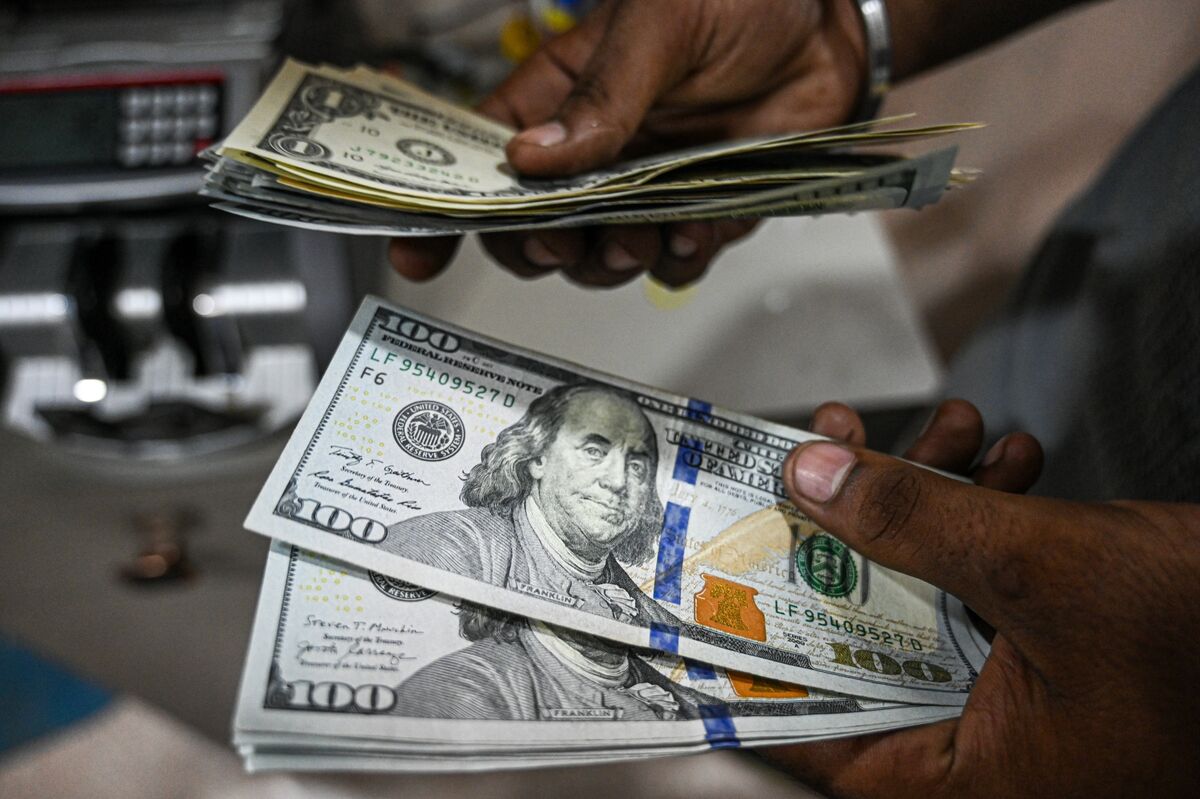
The Bloomberg Dollar Spot Index was little changed for the week, edging higher on Friday as optimism around US-Iran peace talks lifted risk appetite. US stocks rose toward their longest streak of weekly gains since 2023, while oil prices fluctuated on headlines about negotiations toward a deal in the Middle East. The main market driver is improved geopolitical sentiment, which is supporting risk assets and pressuring haven-demand dynamics.
The immediate market read-through is a reduction in geopolitical risk premium, which mechanically helps cyclicals, high-beta equities, and non-US assets via a softer dollar channel. The bigger second-order effect is in energy: if traders believe the probability distribution has shifted toward de-escalation, the front end of the oil curve should lose convexity first, compressing prompt spreads and raising the hurdle rate for length in crude even if spot only moves modestly. That tends to punish highly levered upstream exposure and benefit refiners, transport, chemicals, and other margin-sensitive consumers that have been forced to hedge around a persistent war premium.
The key risk is that this is a headline-driven repricing rather than a durable policy regime change. Peace-talk optimism can fade quickly if negotiations stall, but the market may still keep a small “diplomacy discount” embedded in Brent/WTI for weeks, which matters more for options than outright futures. If the dollar is topping out here while stocks continue grinding higher, the next leg would likely be a broadening of risk appetite into EM FX, industrial metals, and small caps — but only if oil remains contained, because any renewed spike would rapidly re-tighten financial conditions.
Consensus may be underestimating how asymmetric the move is for commodities: downside in oil from de-risking can come faster than upside from a true supply interruption because positioning is already sensitive to Middle East headlines. In other words, the market may be overpaying for immediate escalation risk and underpricing the probability that lower tail-risk suppresses the volatility term structure. That makes short-dated energy upside expensive relative to downside insurance, and it favors selling volatility unless a concrete breakdown in talks appears.
AI-powered research, real-time alerts, and portfolio analytics for institutional investors.
Request DemoOverall Sentiment
mildly positive
Sentiment Score
0.20
