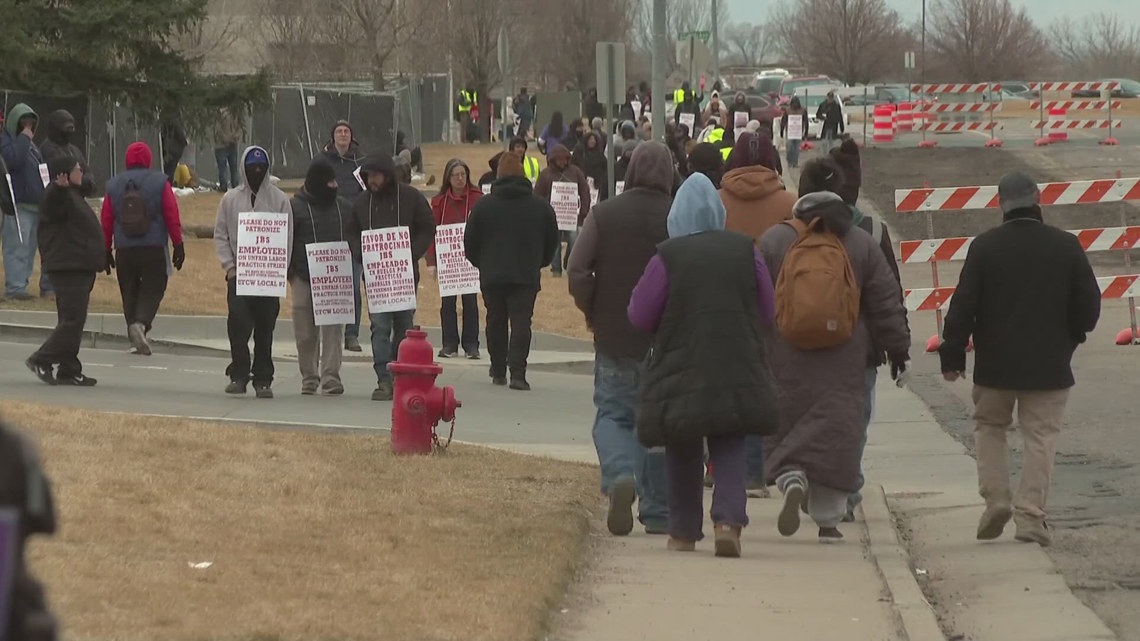
JBS and UFCW Local 7 ratified a tentative two-year labor agreement ending a three-week strike by about 3,800 workers at the Greeley, Colorado beef plant. The deal includes wage increases, limits health care cost increases, and shifts some pension-related economics, while JBS said production had been diverted to other facilities during the dispute. The strike was the first at a U.S. slaughterhouse since 1985, but the resolution is largely a local labor event with limited broader market impact.
The immediate market read is not “labor win” but “supply-chain proof of resilience.” JBS can reroute slaughter volume across its network, which caps near-term earnings damage, but it also highlights how concentrated U.S. beef processing is and how fragile throughput becomes when one node is disrupted. The second-order effect is tighter availability of boxed beef and byproducts for several weeks, which can widen wholesale spreads even if headline production normalizes, supporting margins for downstream processors and distributors more than for ranchers. The bigger signal is wage structure reset risk across the meatpacking complex. Even if this settlement is framed as idiosyncratic, it strengthens organizing leverage at other plants where labor turnover is high and safety scrutiny is already elevated. That creates a 6-18 month cost-ladder issue: labor is sticky, but the industry’s ability to pass through cost inflation is limited when retail demand is volume-sensitive and private-label grocery negotiations are annual, not quarterly. The contrarian angle is that the strike may have removed a left-tail event rather than created a new one. The bargaining process appears to have converged on an outcome management had already been willing to live with, which means the earnings impact may be less about this contract and more about precedent. If investors were hoping for a material operational reset, the disappointment may fade quickly; if they were underestimating labor contagion, the rerating risk sits in peers with weaker balance sheets and less automation over the next 2-4 quarters. Most interestingly, this is a governance and execution story, not a pure P&L story. The fact pattern suggests management can absorb labor pressure today, but the bigger vulnerability is reputational: a visible strike at a flagship facility can increase the probability of more aggressive bargaining elsewhere and raise the cost of capital for firms that rely on politically sensitive labor models. That makes the stock less about one contract and more about whether the market starts discounting recurring labor friction into terminal margins.
AI-powered research, real-time alerts, and portfolio analytics for institutional investors.
Request DemoOverall Sentiment
neutral
Sentiment Score
0.05
Ticker Sentiment
