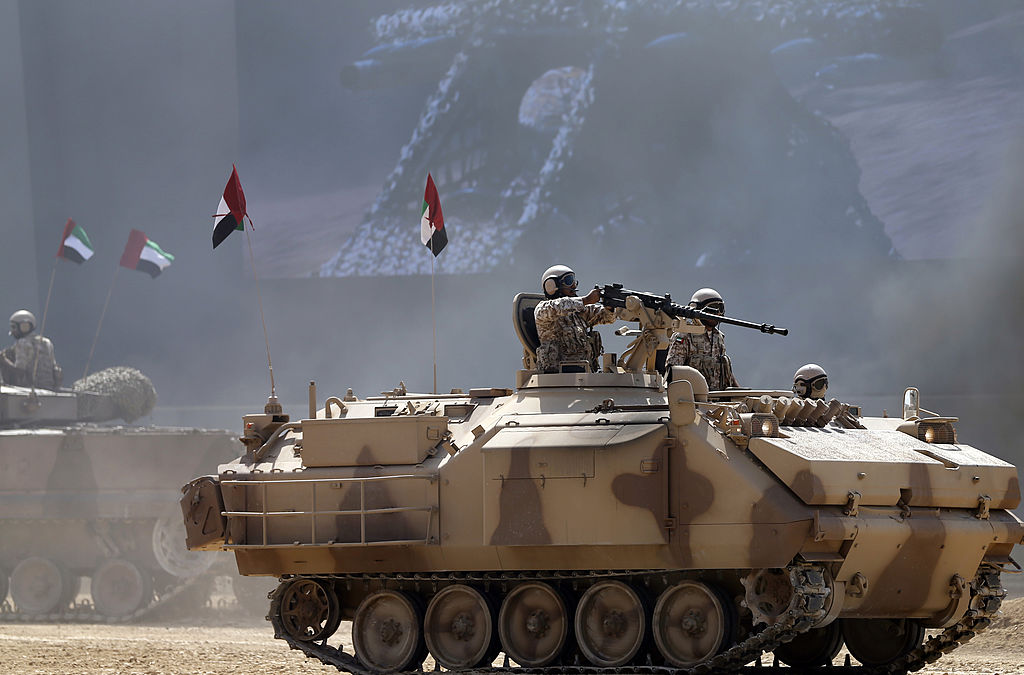
The article argues that the UAE has built a regional power network through covert arms transfers, mercenary support, and financing of autocratic and militia actors across Sudan, Libya, Yemen, Gaza, and elsewhere. It highlights at least 6,000 killings in El Fasher in the first three days after Oct. 25, 2025, and describes UAE support for the RSF via an airbridge, embargo breaches, and logistics links. The piece also cites UAE-backed interventions and investments tied to $7.6B in support for al-Bashir, a $23.3B U.S. weapons deal (now stalled), and a $2.3B defense deal with Israel’s Elbit Systems.
The key market implication is not moral outrage; it is counterparty and policy risk. A state that monetizes instability through logistics, arms, and elite access creates a durable premium for firms that sit in its commercial orbit, but an even larger hidden liability for any issuer whose revenue depends on Gulf sovereign discretion, UAE-linked procurement, or permissive export licensing. That makes the real trade not simply “Middle East risk off,” but a repricing of embedded political optionality across defense, infrastructure, ports, aviation, and dual-use tech exposure.
For ESLT, the immediate issue is less order cancellation than margin fragility: Israeli defense export names can screen well on backlog while still being hostage to diplomatic backlash, sanctions ambiguity, and buyer concentration in politically exposed jurisdictions. If normalization flows keep widening, near-term headline wins can coexist with longer-cycle litigation, end-use scrutiny, and procurement delays that compress conversion of backlog into cash. The better second-order read is that Israeli and Emirati defense ecosystems may see more sovereign demand in the short run, but more reputational and regulatory drag over the next 6-18 months.
The broader catalyst stack is negative for logistics and infrastructure proxies tied to Red Sea / Horn of Africa routing. Any tightening around embargo enforcement, port access, or UAE-aligned transit hubs would hit throughput assumptions before it hits GDP prints, because these networks are optimized for low-friction, opaque movement of goods and capital. That argues for watching shipping, airport, and port operators with leverage to Gulf facilitation; the downside can arrive in days via sanctions headlines, while the upside reversal would require a real policy shift by Washington or Abu Dhabi, which looks unlikely without a leadership shock.
Contrarian view: the consensus may be overpricing immediate de-risking from the article and underpricing the persistence of the network. These systems have survived scandal because they are embedded in procurement, security cooperation, and elite capital flows; that means the first-order knee-jerk selloff in exposed names may fade. But the article raises a more durable concern: the same channels that support revenues also raise the probability of frozen contracts, enforcement actions, and transaction-screening costs, which is a multi-quarter earnings headwind rather than a one-day event.
AI-powered research, real-time alerts, and portfolio analytics for institutional investors.
Request DemoOverall Sentiment
extremely negative
Sentiment Score
-0.95
Ticker Sentiment
