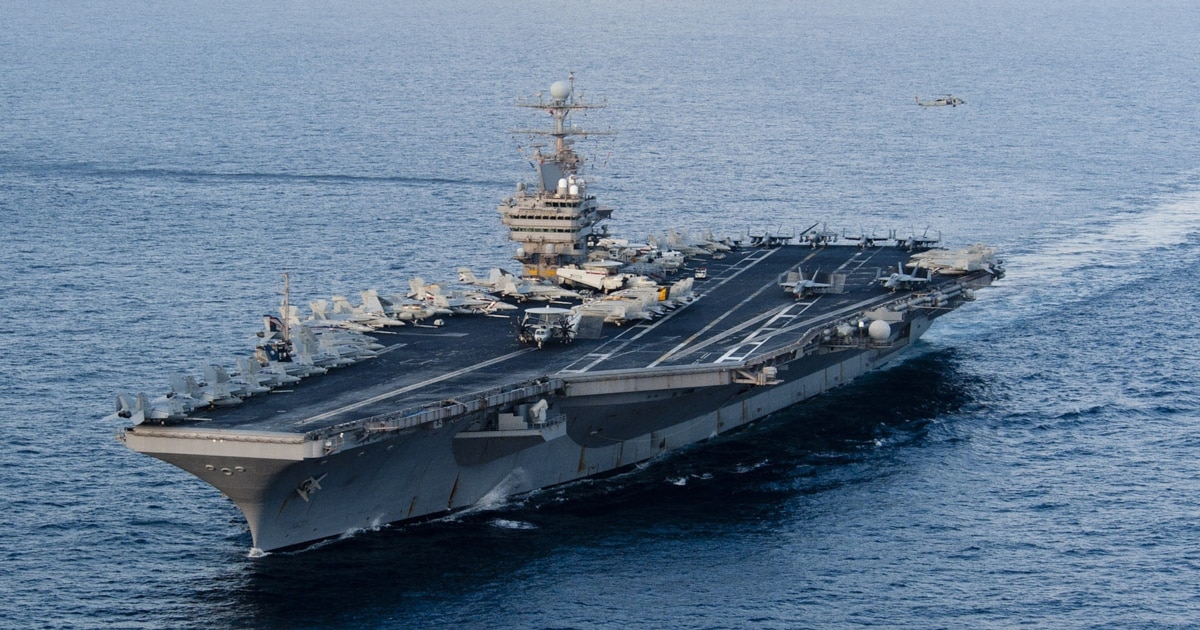
The United States is rapidly assembling a substantial military buildup in the Persian Gulf — led by the carrier strike group around USS Abraham Lincoln and supported by multi-role warships, expanded air defenses (Patriot and THAAD batteries) and forward bases across CENTCOM — as leverage against Iran over its nuclear program and a domestic crackdown. U.S. forces in the region (roughly up to 40,000 troops across bases in Gulf states and facilities such as Al-Udeid and Diego Garcia) have already engaged (a strike-group jet shot down an Iranian drone) and Washington is considering additional assets including a second carrier group and long-range B-2 strikes; the posture materially raises regional stability risk with potential implications for shipping lanes, oil markets and emerging-market FX exposed to Iran-linked shocks.
Market structure: The immediate winners are defense primes (aircraft carriers, missile-defense suppliers), integrated oil majors and commodity traders, and shipping/insurance reinsurers; losers are regionally exposed service sectors (airlines, Gulf tourism), EM currencies and regional banks. A sustained disruption (even temporary) of 0.5–2.0 mbpd in seaborne supply would likely lift Brent into a $90–$150/bbl band, materially re‑rating energy producers and energy-linked services within weeks.
Risk assessment: Tail risks include closure of the Strait of Hormuz or cyber attacks on logistics (low probability, high impact) which could cause >20% oil moves and flight‑to‑quality flows into USD/Treasuries/Gold. Time horizons: days = volatility spikes and FX dislocations; weeks–months = earnings and defense contract re‑orders; 3–12 months = budgetary shifts increasing defense capex. Hidden dependencies: Gulf state political alignment, China’s crude buying, and SPR releases can quickly blunt price moves.
Trade implications: Expect higher realized volatility—trade option structures that cap cost while capturing upside (WTI call spreads, VIX calls). Rotate into defense and integrated energy (3–12 month horizon), short energy‑sensitive discretionary names and airlines (1–3 months). Bonds may see safe‑haven bids intraday but inflationary oil shocks could steepen the curve over quarters.
Contrarian angles: The market may overpay for large primes (LMT/RTX) while underweighting mid‑tier suppliers and logistics plays that reprice faster; SPR releases and non‑alignment by Gulf partners could quickly deflate oil-driven trades. Historical parallels (Gulf flareups 1990, 2019 tanker attacks) show initial spikes often fade within 2–6 months absent ground war, so size positions for mean reversion.
AI-powered research, real-time alerts, and portfolio analytics for institutional investors.
Request DemoOverall Sentiment
moderately negative
Sentiment Score
-0.45
