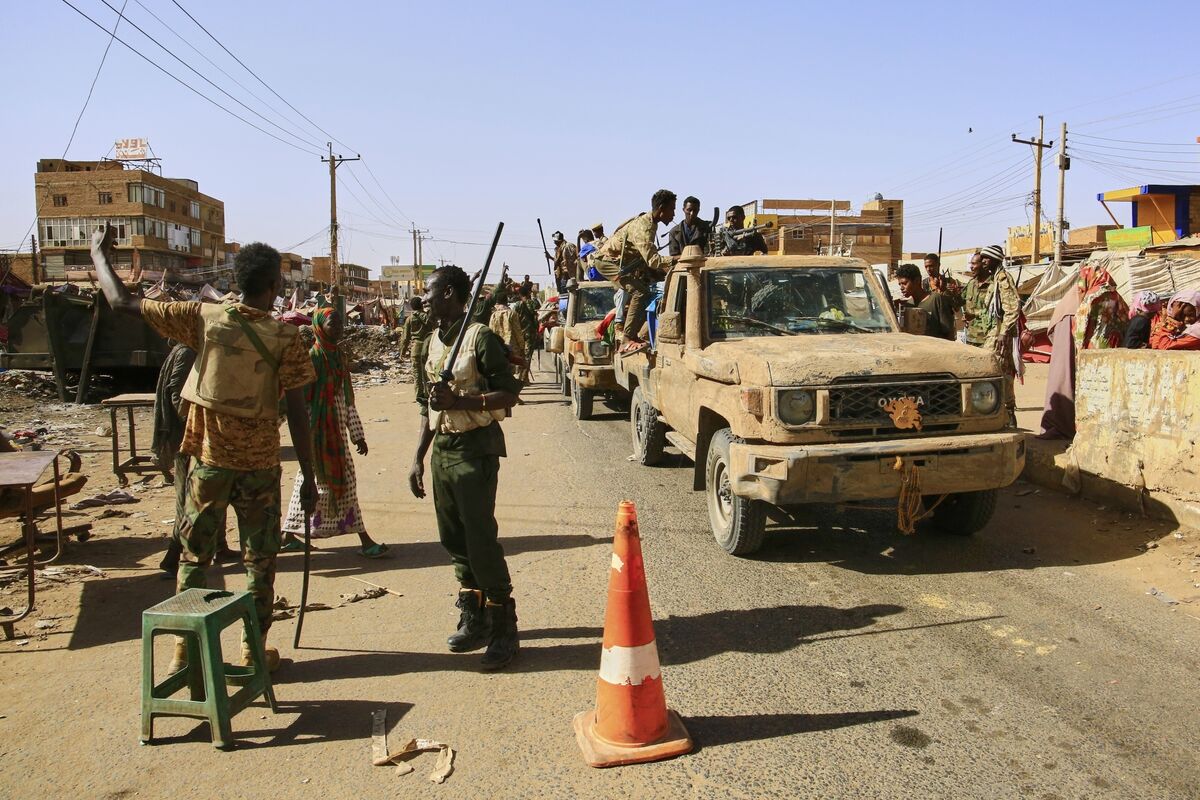
Sudan's army is reportedly considering a U.S.-backed three-month ceasefire proposal, with Egypt actively encouraging its acceptance, aiming to halt hostilities that have drawn global concern over mass atrocities. This potential de-escalation of conflict in North Africa could reduce regional geopolitical risk, a key factor for institutional investors assessing stability and investment sentiment in emerging markets, despite the immediate economic or market impact not being specified.
Sudan's army is currently evaluating a U.S.-backed three-month ceasefire proposal, with Egypt actively advocating for its acceptance. This initiative aims to de-escalate ongoing hostilities that have generated international concern regarding alleged mass atrocities.
The potential acceptance of this ceasefire could significantly reduce regional geopolitical risk in North Africa. For institutional investors, this development is crucial for assessing broader stability and investment sentiment within emerging markets, despite the absence of direct company-specific impacts.
Despite the geopolitical importance, the immediate market impact is assessed as low (0.15), and the overall sentiment remains neutral. This reflects the uncertain outcome of the proposal and the lack of specified direct economic or market implications at this stage.
AI-powered research, real-time alerts, and portfolio analytics for institutional investors.
Request DemoOverall Sentiment
neutral
Sentiment Score
0.00
