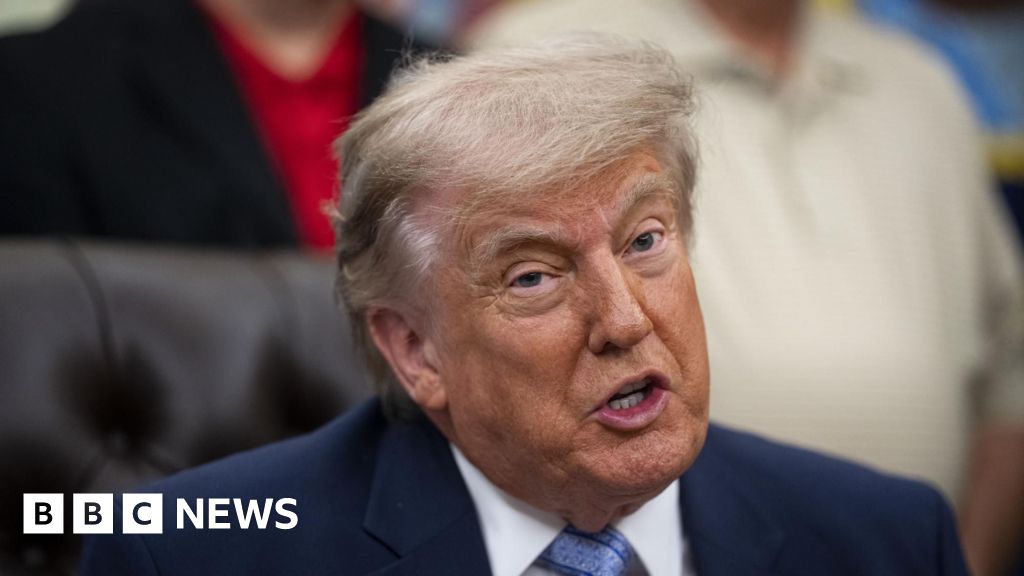
Trump said Iran is "getting a lot closer" to a deal with the US, while Iranian officials said positions have converged and a framework memorandum with 14 points is being finalized. However, both sides remain cautious: nuclear weapons remain unresolved, the US has blockaded Iranian ports since 13 April, and Centcom says it has redirected 100 vessels and disabled four. The standoff keeps geopolitical and energy/shipping risk elevated, especially around the Strait of Hormuz and Gulf trade routes.
The market is being asked to price a negotiation that could either de-risk a major chokepoint or collapse into an escalation regime. The near-term winner, if talks hold, is any asset chain with direct exposure to war-risk premia: tanker rates, insurance, refined-product flows, and non-Iran Gulf logistics all reprice faster than headline crude because they respond to voyage disruption and routing friction before physical supply is removed. The loser is Iran’s bargaining leverage itself: once the US can credibly sustain interdiction pressure, Tehran’s best counter is asymmetry—harassment, signaling around the Strait, or delay—rather than a clean supply shock.
The second-order effect is that the longer the blockade persists without a breakout, the more it selectively taxes lower-quality energy consumers and chemically intensive industries while benefiting U.S. domestic producers with stable midstream access. In other words, this is less about outright shortage today and more about the cost of optionality: importers, refiners dependent on Atlantic Basin arbitrage, and shipping names with higher war-risk exposure will see earnings variance widen even if benchmark crude only moves modestly. If talks advance, that risk premium can compress violently in days; if they fail, the squeeze can widen over weeks as insurance, rerouting, and inventory hoarding compound.
The consensus seems to underweight how binary the setup is. A draft framework can create false confidence because the market tends to extrapolate diplomacy faster than implementation, but the operational issues around uranium transfer, corridor control, and enforcement are exactly where deals usually break. That makes this a good volatility event rather than a directional beta trade: the base case is range expansion, not immediate resolution.
From a macro standpoint, the key catalyst window is 30-60 days: enough time for rhetoric to swing risk assets, but short enough that positioning can become crowded on either side. Any confirmation that trade flows through the strait normalize would unwind the geopolitical premium in energy and shipping quickly; conversely, another round of strikes or interdiction would force the market to reprice tail risk, not just spot oil.
AI-powered research, real-time alerts, and portfolio analytics for institutional investors.
Request DemoOverall Sentiment
mildly negative
Sentiment Score
-0.15
