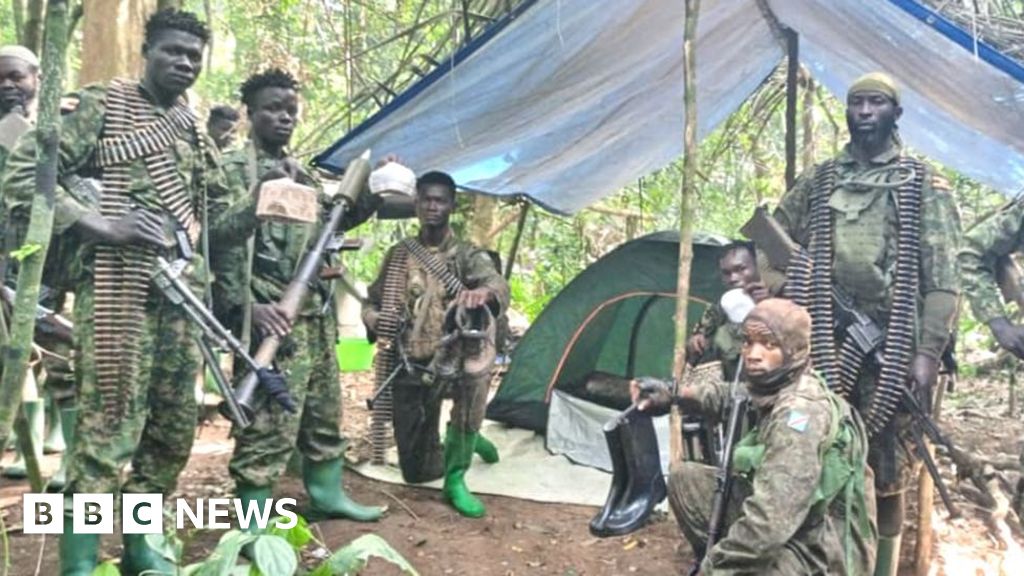
More than 200 civilians were rescued from an IS-linked ADF camp in eastern DR Congo during a joint Uganda-Congo military operation. The army said several ADF fighters were killed and weapons recovered, but the group remains active after years of attacks, kidnappings, and civilian deaths in the region. The event underscores ongoing security risks in the Great Lakes region and the persistence of insurgent violence despite the 2021 joint offensive.
This is a marginally positive tactical security event for regional risk assets, but not yet a regime change. The more important signal is that the insurgent network appears penetrable when cross-border command-and-control tightens, which should modestly reduce the probability of imminent escalation around transport corridors in eastern Congo and northern Uganda. That said, the group’s persistence despite prior joint operations implies the bottleneck is intelligence persistence and terrain control, not firepower, so the medium-term threat to logistics and project timelines remains intact.
The second-order effect is on the defense and security-services spend cycle across East Africa. Governments and extractive operators are likely to keep leaning into surveillance, ISR, perimeter security, convoy protection, and local militia contracting rather than broad military campaigns, which is favorable for vendors with recurring revenue and low in-country exposure. The less obvious loser is any infrastructure project with a long duration and thin contingency buffers: even if headline violence eases, insurers and lenders typically reprice within weeks only to wait months for verification, creating a lagged hit to capex deployment and working capital.
Consensus may overread the rescue as de-escalation. Historically, hostage-recovery operations can provoke retaliatory attacks within days to 8 weeks as militants seek to reassert deterrence, especially when they suffer equipment losses and morale damage. The higher-probability near-term outcome is a spike in soft-target risk rather than a broad campaign against military assets, which matters more for roads, schools, mining support routes, and humanitarian logistics than for formal front lines.
For investors, the cleanest expression is not a direct conflict trade but a relative one: long defense/security beneficiaries versus EM infrastructure-exposed names with East Africa revenues. If there are liquid proxies, consider a short-dated call spread on a defense basket and a paired short in regional construction/logistics exposure over the next 1-3 months. The stop is simple: if there is no retaliatory violence and joint patrols visibly improve civilian movement for 4-6 weeks, the premium in security names should fade quickly.
AI-powered research, real-time alerts, and portfolio analytics for institutional investors.
Request DemoOverall Sentiment
strongly negative
Sentiment Score
-0.70
