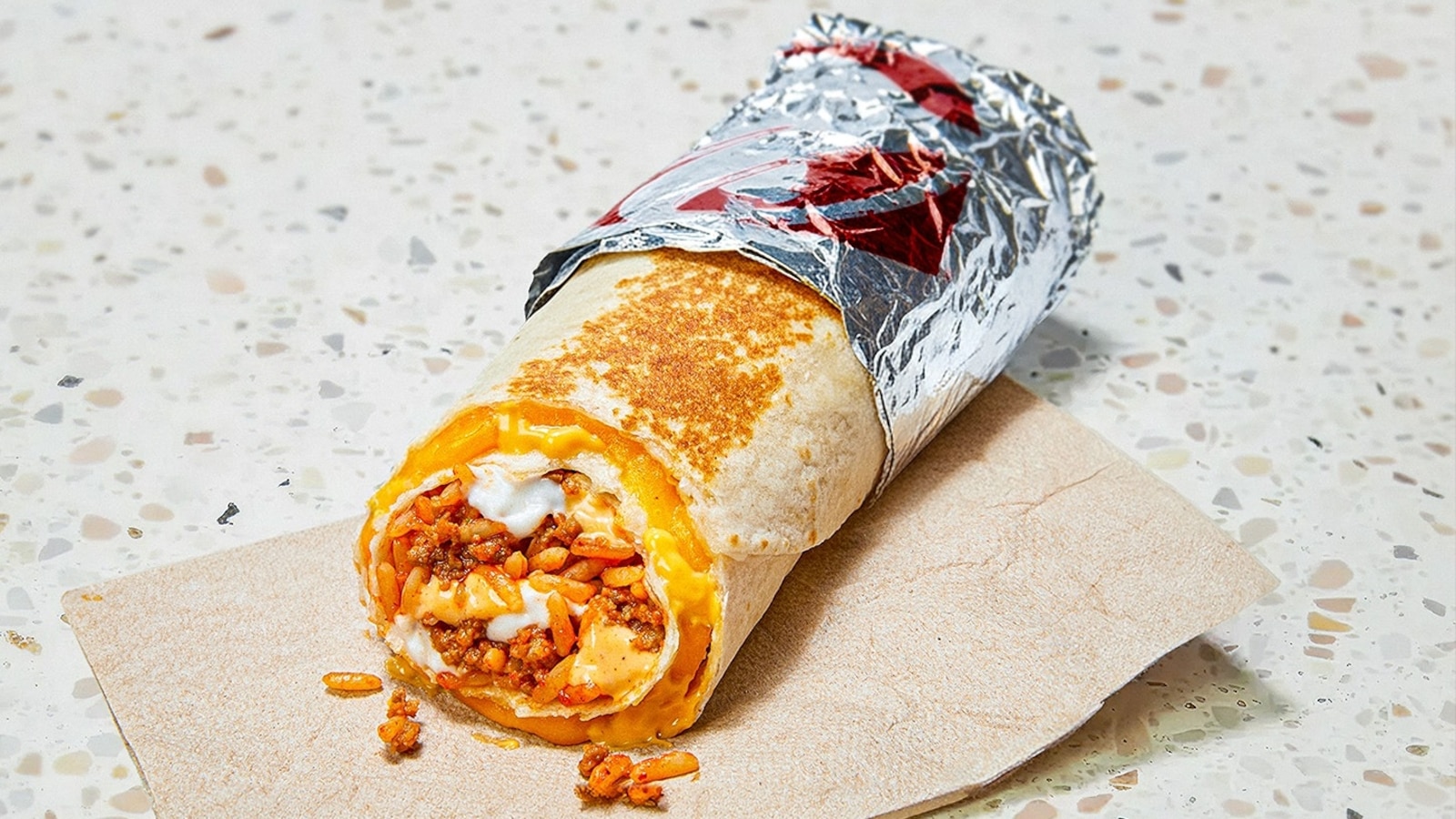
Taco Bell is reintroducing the Quesarito as a limited-time menu item priced around $4.99 (varies by location) and will offer the first 30,000 Taco Bell Rewards members a $1 Quesarito at 2 p.m. PT on Dec. 23 via its app. The return leverages a viral 2014 advertising moment involving NBA player Nikola Jokić and is designed to drive short-term foot traffic, app engagement and promotional buzz; the move should modestly boost same-store visits and digital engagement but is unlikely to materially affect company-level revenue or stock performance.
Market structure: The direct winners are Yum! Brands (YUM) and Taco Bell franchisees (short-term traffic/loyalty lift) plus ingredient suppliers for cheese/beef; losers are weaker loyalty-focused QSRs and premium fast-casual players (e.g., CMG) that don’t benefit from low-cost LTO spikes. This specific LTO is unlikely to move national pricing power but can boost app engagement and incremental comps; estimate a 0.3–1.0% same-store-sales (SSS) lift in the 2–6 week window if adoption is broad. Cross-asset impact is negligible on bonds/FX; small near-term upward pressure on dairy/beef spot prices (<1–2% demand shock local to suppliers) and micro volatility in restaurant equities/option flows. Risk assessment: Tail risks include supply-chain spoilage/food-safety recall, franchisee pushback on pricing or margin splits, or a viral backlash—each could erase short-term gains and cost YUM 1–3% market cap. Time horizons: immediate (Dec 23 app drop; measure 72-hour download/redemption spikes), short-term (weeks of holiday comps and December sales reports), long-term (quarters of cumulative loyalty behavior). Hidden dependencies: franchisee adoption rates, regional menu pricing variance, and app technical performance; catalysts are rewards redemptions, new account adds (>50k in 72 hrs positive), and YUM’s Q4 commentary. Trade implications: Direct play: establish a 2–3% long position in YUM (ticker YUM) ahead of year-end comps; hedge by buying a 1–3 month call spread (buy ATM, sell +15% OTM) to target +15–25% upside, stop -10%. Pair trade: long YUM 2% vs short CMG 1.5% to capture relative resilience (CMG vulnerable to traffic shifts). Tactical shorts: small caps like SHAK (0.5–1%) if app-driven discounting persists; exit/reevaluate after first-week redemption data or by early January earnings guidance. Contrarian angles: Consensus underweights the brand halo effect—LTOs can drive durable app adoption that monetizes over 6–12 months, not just a week; expect modest multiple expansion (50–150 bps) if engagement metrics beat thresholds. Reaction could be underdone given low headline risk, but risks are real: repeated discounting cannibalizes check size (histor parallels show single-digit comp bumps lasting 4–6 weeks then mean-revert). Monitor redemption rate and average ticket change within 30 days to avoid getting caught in promo fatigue.
AI-powered research, real-time alerts, and portfolio analytics for institutional investors.
Request DemoOverall Sentiment
mildly positive
Sentiment Score
0.30
