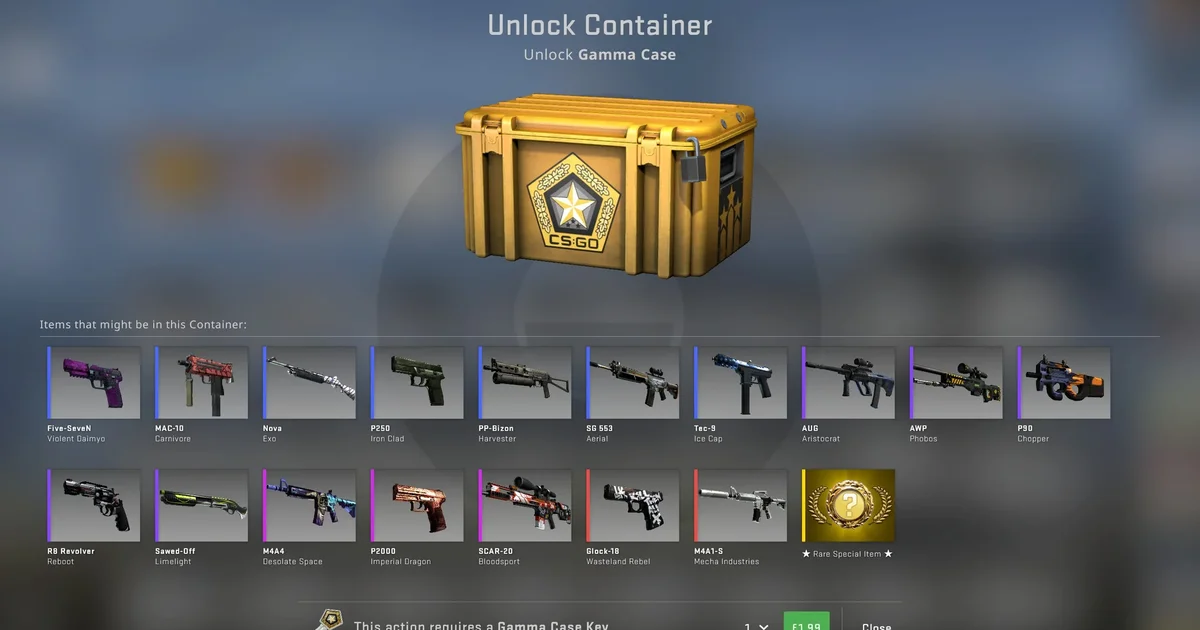
Valve has moved to dismiss a New York attorney general lawsuit alleging Steam lootboxes facilitate illegal gambling, while a separate Washington class action seeks repayment of billions of dollars tied to Counter-Strike, Dota 2 and Team Fortress 2 lootboxes. The company argues lootboxes are protected speech and not gambling because they use virtual currency and have no real-world cash value, but the article highlights ongoing legal and reputational risk around monetization design. The case could affect game design practices and lootbox-related revenue across the sector, though near-term market impact is likely limited.
The real market issue is not whether Valve wins on technical gambling definitions; it is whether a credible regulator has now put a legal overhang on a monetization format that has become normalized across gaming. If the NYAG survives dismissal even partially, the second-order effect is broader discovery into how engagement mechanics are engineered, which raises compliance costs for any publisher leaning on randomized monetization, scarcity timers, or psychologically optimized drop systems. That is a margin issue first, a headline issue second: smaller studios and free-to-play operators have less legal budget and less ability to redesign monetization than platform incumbents.
The strongest near-term pressure is on sentiment and user acquisition, not immediate revenue. Investors should think in months, not days: legal process will drag, but the mere possibility of injunctive relief or settlement-driven product changes can compress multiples for names with heavy in-game monetization exposure. The asymmetric risk sits with companies where a meaningful share of bookings depends on high-spend cohorts; if the market starts assigning even a modest probability that “engagement” mechanics get reclassified as regulatory liabilities, revenue durability assumptions need haircutting.
The contrarian point is that the market may be overestimating the direct financial damage while underestimating the policy contagion. A narrow loss for Valve would not just affect lootboxes; it could force disclosure, age-gating, friction, or odds-related design constraints across adjacent monetization formats, which would hit conversion rates more than headline bookings. Conversely, if Valve cleanly wins on First Amendment grounds, the stock-level impact is likely muted in the short run, but the industry would take that as a green light to push monetization further, increasing the probability of a later, more severe legislative response.
Net: this is best framed as a regulatory optionality event for the broader gaming basket, with a skew toward multiple compression if the case proceeds. The cleanest trade is to own names with diversified content and low monetization sensitivity while shorting the most dependent free-to-play or live-service exposure into legal headline risk.
AI-powered research, real-time alerts, and portfolio analytics for institutional investors.
Request DemoOverall Sentiment
mildly negative
Sentiment Score
-0.15
