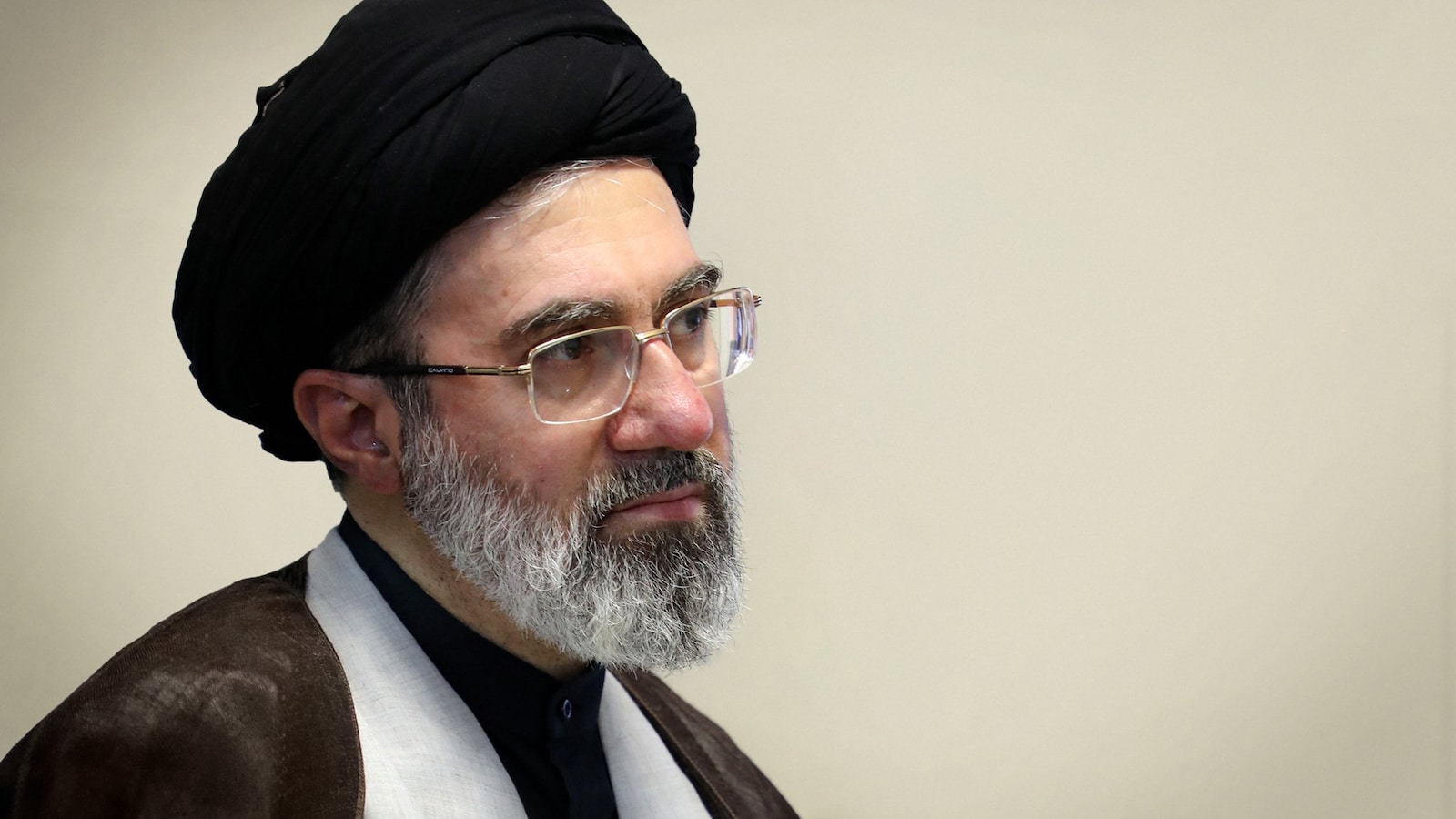
Ali Khamenei was assassinated in an Israeli strike on February 28, triggering a power vacuum in Tehran and elevating Mojtaba Khamenei, though he is reported to wield less influence than his father. The article says a small circle of former IRGC commanders now controls Iran’s decision-making, intelligence, and security apparatus, with several senior figures implicated in repression, proxy warfare, and sanctions. The developments point to heightened regional instability and elevated geopolitical risk.
This is less a leadership-transition story than an intelligence-consolidation event. When a regime loses its single point of coordination, the first-order market effect is often less policy drift than a sharper security bias: more arrests, tighter capital controls, and a higher probability of asymmetric retaliation to deter internal challengers. That tends to raise the near-term risk premium on any asset exposed to Gulf shipping, Iran-linked proxies, or sanctions enforcement, even if headline diplomacy continues.
The more important second-order effect is continuity through decentralization. A network run by ex-security commanders can absorb decapitation shocks better than a personality-driven hierarchy, which means investors should not assume regime fragility translates into moderation. In practice, that points to more durable repression, less transparency around nuclear or proxy decisions, and a higher probability of miscalculation because authority is distributed across actors competing on loyalty, not efficiency.
For markets, the cleanest expression is not a direct Iran trade but a volatility and energy-spread trade. The tail risk over the next 1-3 months is a misread by Israel or the US that triggers a broader regional escalation, but the base case over 6-12 months is still elevated disruption risk without a clean regime break. Any diplomatic opening that reduces sanctions pressure would likely be tactical and reversible, because the new power center’s incentive is survival, not normalization.
The contrarian view is that this may be stabilizing for now: a small cadre with extensive surveillance capability can act faster than a contested succession process and reduce internal coup risk. That argues against chasing a one-way collapse narrative. The better setup is to own assets that benefit from persistent geopolitical premium while avoiding names that need a durable de-escalation to rerate.
AI-powered research, real-time alerts, and portfolio analytics for institutional investors.
Request DemoOverall Sentiment
strongly negative
Sentiment Score
-0.70
Ticker Sentiment
