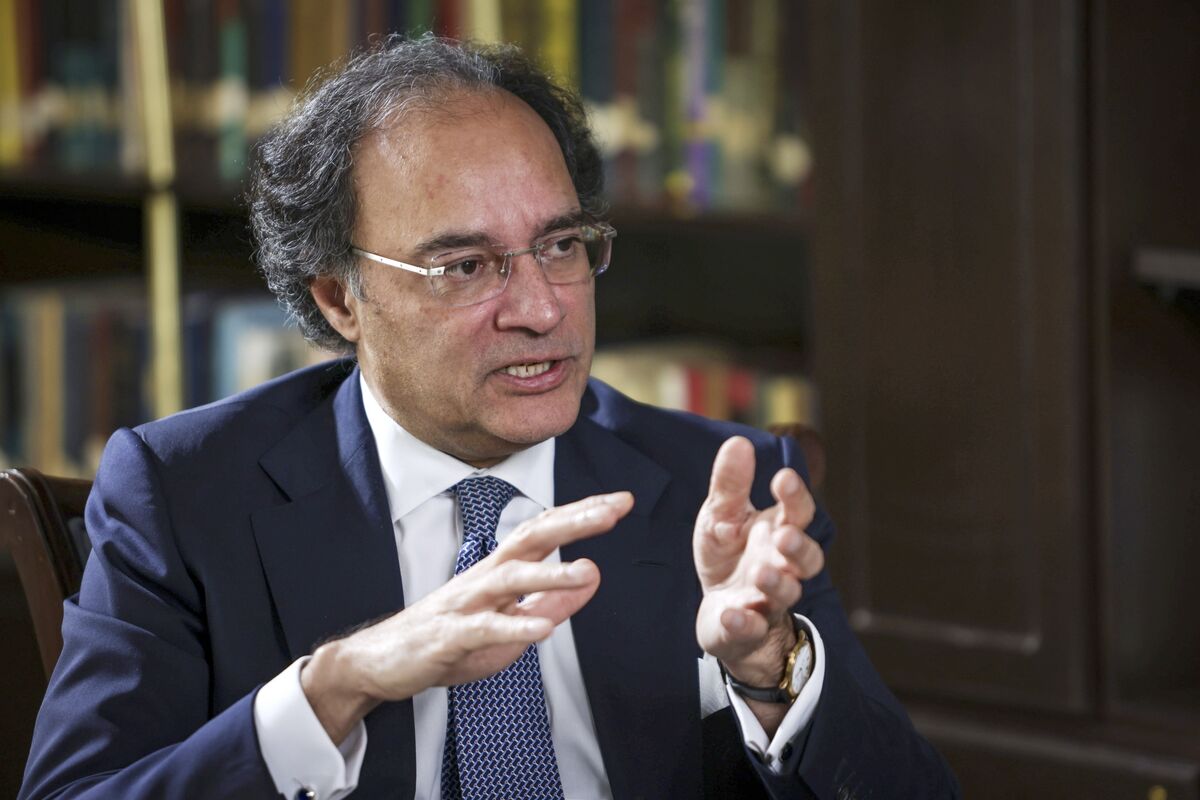
Pakistan's Finance Minister Muhammad Aurangzeb is in the US to negotiate a trade deal, facing an August deadline, as Washington demands significant reductions in Pakistan's tariff and non-tariff barriers. The ongoing talks are proving more complex and time-consuming than Pakistan's initial expectation of an early July agreement, highlighting the challenging nature of the proposed economic policy changes.
Pakistan's Finance Minister, Muhammad Aurangzeb, is currently in the United States for critical trade negotiations ahead of an August deadline, indicating a period of heightened economic diplomacy. The talks are proving more complex than initially anticipated by Pakistan, which had aimed for a resolution by early July. This delay stems from an "exhaustive list of demands" from the US, which specifically requires Pakistan to lower both tariff and non-tariff barriers. The situation reflects a challenging negotiation environment where the US is leveraging its position to push for significant economic policy changes in Pakistan. The uncertain tone and mildly negative sentiment associated with this development underscore the difficulties and the potential for a less-than-favorable outcome for Pakistan if it cannot meet the stringent US conditions.
AI-powered research, real-time alerts, and portfolio analytics for institutional investors.
Request DemoOverall Sentiment
mildly negative
Sentiment Score
-0.25
