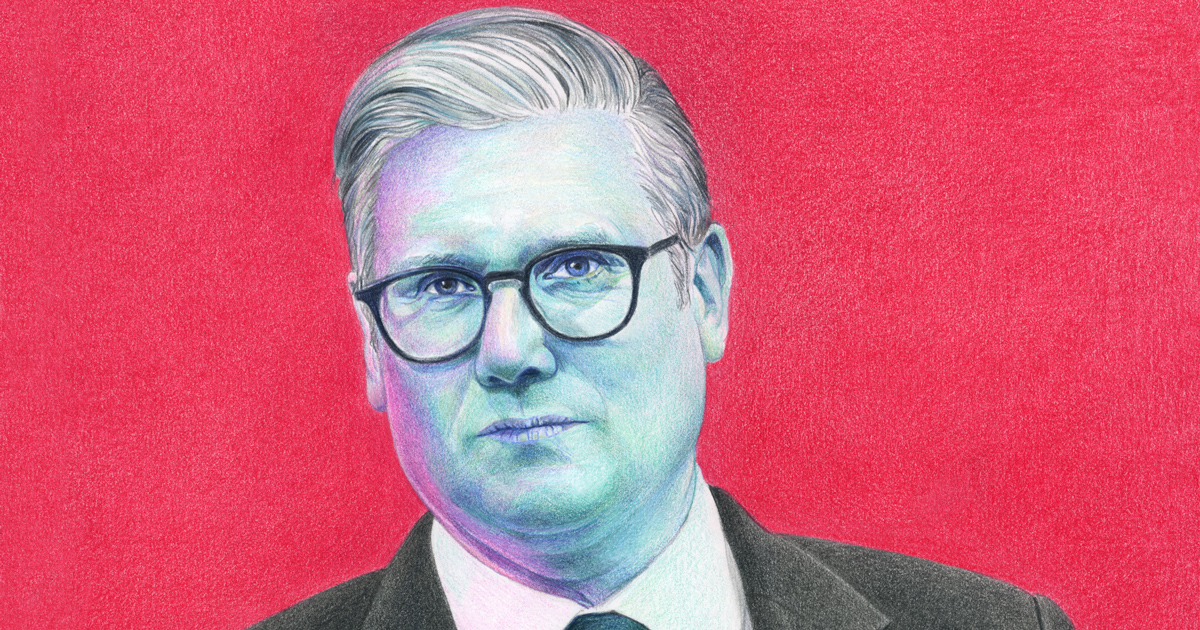
In a recent interview, UK Prime Minister Keir Starmer addressed pressing global issues, including the Israel-Iran conflict, emphasizing the need for de-escalation and negotiation, while affirming Israel's right to self-defense. Starmer highlighted the UK's commitment to Ukraine, noting President Trump's desire for a resolution and the UK's role in a "coalition of the willing," though details on US air cover remain unclear. Starmer also touted progress on a US-UK trade agreement and defended his government's economic policies amid concerns about growth and investment, citing record investment figures, though the exact data source remains unspecified.
UK Prime Minister Keir Starmer's recent statements highlight a cautious approach to escalating geopolitical tensions, particularly the Israel-Iran conflict, where he advocates for de-escalation while affirming Israel's right to self-defense following a significant Israeli strike on Iran involving numerous aircraft and sites. The UK, alongside France and Germany, was not involved in this attack and urges negotiation. Regarding the Gaza situation, Starmer describes it as "intolerable," noting inadequate aid and reiterating calls for a ceasefire and hostage release, supported by recent UK sanctions on Israeli ministers, though these actions have not yet altered the situation. The Labour Party's policy supports Palestinian statehood as part of a two-state solution, a stance Starmer upholds. On Ukraine, Starmer emphasizes alignment with allies, including President Trump, to achieve a conflict resolution, and promotes a UK-led "coalition of the willing" for post-war Ukraine, though clarity on US air cover commitment remains elusive. Domestically, Starmer reports the US-UK trade agreement is in its "final stages of implementing" and anticipated "pretty soon," despite signals of complexities around steel and aluminum. The UK's defense spending is set to reach 2.5% of GDP by 2027-28, with an "ambition" for 3%, a figure facing scrutiny for lacking firm commitment and potentially falling short of NATO expectations. Economically, Starmer acknowledges inheriting a challenging situation, defending tax increases and citing "record investment" and job growth of 500,000 since the last election, figures contested by some analyses indicating job losses and skepticism over investment sources, alongside concerns about company directors relocating from the UK.
AI-powered research, real-time alerts, and portfolio analytics for institutional investors.
Request DemoOverall Sentiment
neutral
Sentiment Score
-0.10
Ticker Sentiment
