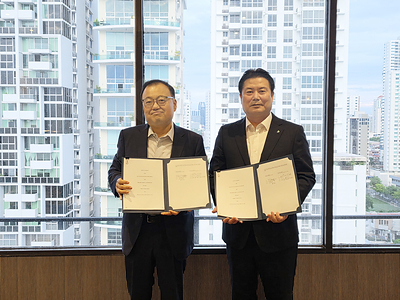
HD Hyundai Heavy Industries won a contract with Corban Energy Group to supply 1,000 MW of data-center power generation systems, valued at $673.8M, using its 9.6-MW HiMSEN engines. The order is described as the company’s largest-ever for power generation engines and follows a prior $425M agreement with AEG in April for data-center equipment. The news supports a bullish read-through to demand growth for data-center power infrastructure, driven by AI and expanding cloud investment.
This is more important as a signal on power-architecture than as a single order. Hyperscale AI demand is increasingly being met with behind-the-meter generation when grid interconnects, transmission upgrades, and permitting cannot keep up; that shifts spend from regulated utilities into equipment OEMs, service, fuel logistics, and electrical balance-of-plant vendors with faster monetization. The market is likely underpricing the second-order effect: every campus that self-generates reduces the utility’s load-growth narrative while increasing the need for maintenance-heavy installed base revenue.
The cleanest beneficiaries are engine and power-train suppliers such as CMI, CAT, GEV, ETN, and VRT, plus gas infrastructure names that move molecules to load pockets. A more subtle winner is aftermarket/parts revenue, because 24/7 data-center duty cycles create high service intensity and sticky replacement demand once the fleet is commissioned. Relative losers are utilities and grid-heavy names in XLU if data-center load is partially displaced off-grid rather than embedded in rate base.
Near term, the stock reaction should be muted unless this order is followed by more visibility on pipeline of projects; one contract does not move estimates. The real catalyst window is 1-3 months as hyperscaler capex budgets, utility interconnect timelines, and backlog commentary from OEMs either confirm or reject this theme. Over 6-18 months, the structural implication is higher gas-linked power demand and a larger share of AI capex going to distributed generation rather than central grid expansion.
Contrarian risk: consensus may be over-extrapolating a press release into a multi-year cycle before proving conversion rates, permitting, and lead times. If utilities accelerate interconnections or if gas-fired onsite systems face permitting pushback, the thesis compresses quickly. The key falsifier is a slowdown in data-center power orders or backlog conversion from OEMs over the next two earnings seasons.
AI-powered research, real-time alerts, and portfolio analytics for institutional investors.
Request DemoOverall Sentiment
moderately positive
Sentiment Score
0.45
