


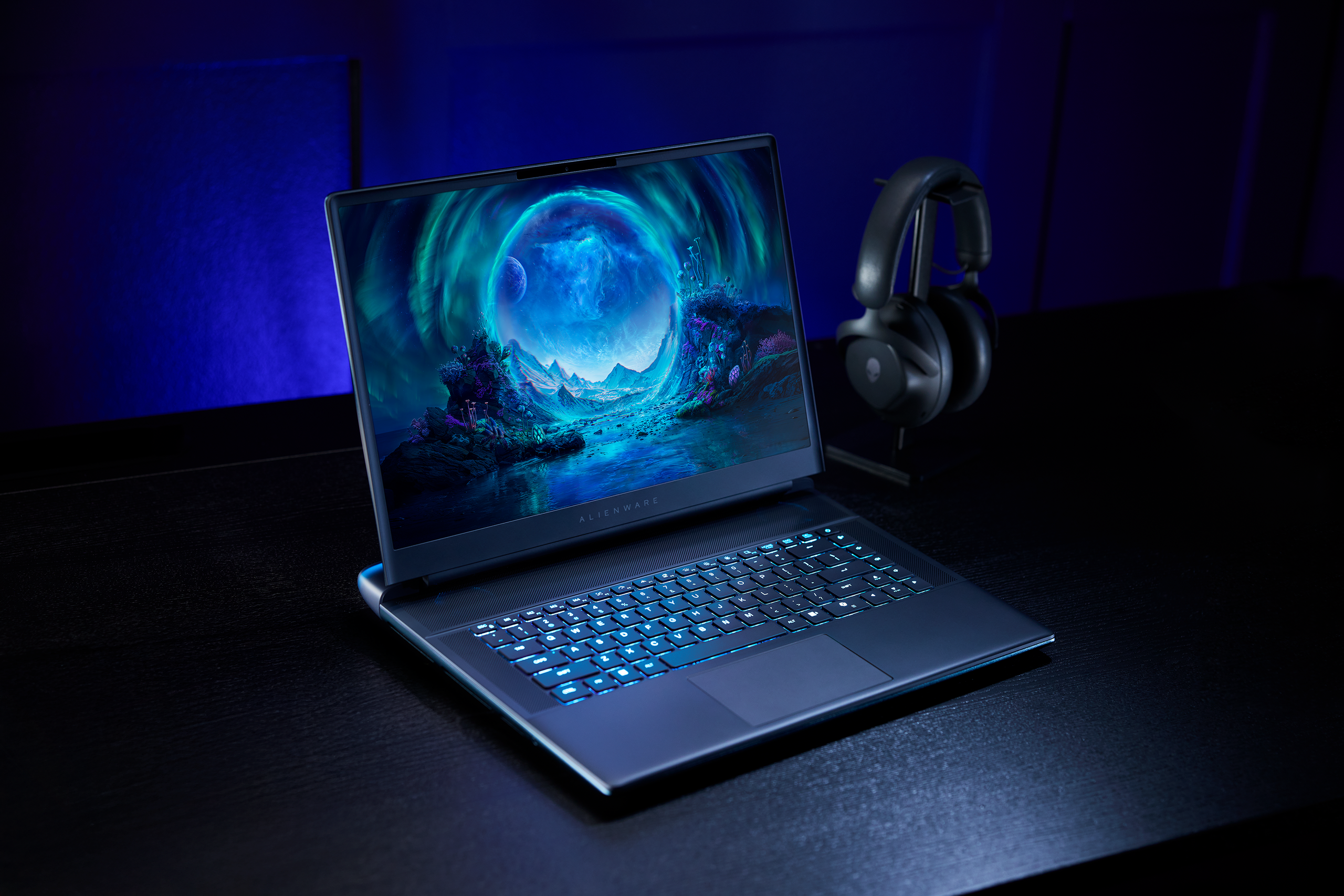
Dell's Alienware Area-51 laptops are highlighted for their new 16-inch OLED display, featuring up to 240 Hz refresh rate, 0.2 ms response time, HDR True Black 500, and 1,000,000:1 contrast ratio. The piece emphasizes improved gaming visuals, anti-glare performance, and durability, positioning the laptop as a stronger premium gaming option versus many desktop monitors. This is primarily promotional content with limited near-term market impact.
This is more than a product-marketing story: it signals Dell is pushing the high-end gaming notebook stack toward a higher ASP and better gross margin mix, with OLED serving as the premium upsell that can offset the cost pressure from top-tier GPU/CPU content. The second-order beneficiary is NVDA, because the value proposition of a 50-series mobile GPU improves when the panel can actually display the motion/contrast gains that justify the upgrade; that helps sustain attachment rates and reduces the risk of spec fatigue in the premium segment. INTC gets a smaller but still real halo effect through the “platform” message, though the strategic value is mostly in validating Intel’s presence in a halo design win rather than driving near-term unit upside.
The key competitive angle is that premium laptop displays are becoming a battleground for replacement cycles, not just feature checkboxes. If OLED becomes the default in upper-tier gaming notebooks, it widens the gap versus midrange LCD incumbents and pressures rivals to absorb higher BOMs or accept weaker differentiation. That can create a near-term margin squeeze for OEMs that chase share without pricing discipline, while Dell’s bundled ecosystem and price-match posture can support conversion at the high end.
The contrarian read is that the market may overstate the incremental demand impact from display quality alone. OLED is persuasive for enthusiasts, but broader adoption still depends on battery life, burn-in perception, and whether buyers actually trade up enough to move the P&L needle over the next 2-3 quarters. The real catalyst is not the panel itself, but whether this becomes a repeatable premiumization lever across multiple Dell gaming SKUs and eventually spills into adjacent consumer notebooks.
AI-powered research, real-time alerts, and portfolio analytics for institutional investors.
Request TrialOverall Sentiment
mildly positive
Sentiment Score
0.35
Ticker Sentiment
