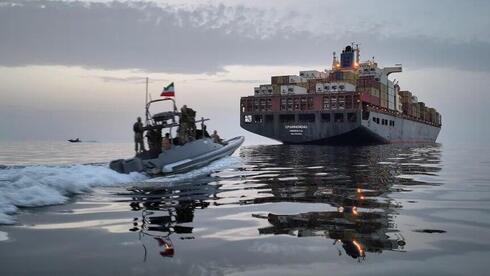
Iran has maintained effective control over the Strait of Hormuz since mid-March, closing a route that carries about 20% of global oil flows and keeping more than 1,000 vessels stranded. The standoff has pushed oil prices to their highest level since the war began and constrained U.S. and Israeli military options, while creating a new escalation ceiling centered on Gulf energy assets. Markets should view this as a high-impact geopolitical risk with direct implications for energy prices, shipping, and broader risk appetite.
The market takeaway is not simply higher headline energy risk; it is a durable increase in the volatility floor for every asset tied to Gulf transit, with the first-order winner being optionality rather than outright direction. If Iran can intermittently constrain Hormuz without triggering regime-ending retaliation, the pricing effect is asymmetric: cargo insurance, tanker day rates, prompt crude differentials, and LNG routing costs can reprice faster than benchmark Brent. That favors firms with hard-asset scarcity and freight leverage, while punishing industrials and refiners that depend on just-in-time Gulf flows.
The second-order effect is political, not military: Washington’s freedom to escalate is now constrained by partners’ economic exposure. That means the real catalyst is not another strike, but any visible proof that shipping can normalize; absent that, traders should expect a series of short-lived de-escalation rallies that fade as insurers and charterers keep charging a risk premium. The longer the standoff lasts, the more likely Gulf states push for accommodations that effectively institutionalize Iran’s coercive leverage, which would be bearish for regional security and bullish for any asset pricing persistent chokepoints.
The consensus may be underestimating how much of this is a regime-finance story rather than a pure commodity story. Iran does not need full closure to win; partial control is enough to tax throughput, preserve optionality, and force buyers to build buffers. That makes the most interesting trade not a simple long oil bet, but a long-volatility and long-logistics expression around repeated interruptions, with the key risk being a diplomatic reset that abruptly restores flow and collapses the premium within days.
AI-powered research, real-time alerts, and portfolio analytics for institutional investors.
Request DemoOverall Sentiment
moderately negative
Sentiment Score
-0.35
