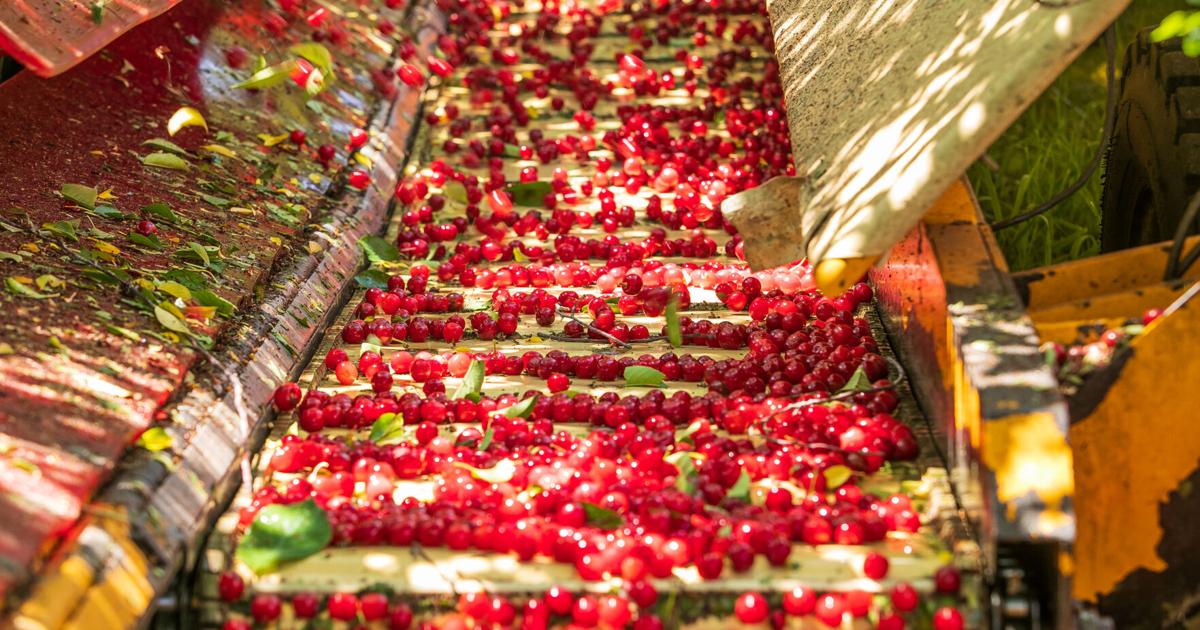
Michigan tart cherry growers are facing a supply crunch after a difficult 2025 season, with one producer saying there are no dried cherries available for the rest of the season. Growers cited repeated short crops, volatile weather, disease pressure, rising costs and shrinking processing capacity, with tart cherry supply down about 80% from normal in some cases and fruit yield cited at roughly 33 cents per pound to grow. The article suggests ongoing pressure on processors and retailers that depend on cherry inputs, but the impact is mainly localized rather than market-wide.
The immediate winner is not the farmer with the crop in the ground, but the scarce holders of inventory and the few processors with flexible blending options. When a seasonal ingredient becomes unbuyable, pricing power migrates upstream to anyone with cold storage, diversified sourcing, or the ability to substitute across cherry formats; that should widen spreads between integrated food ingredient suppliers and single-origin processors. The second-order effect is a demand pull-forward into alternative inclusions: bakers, confectioners, and premium snack brands will re-formulate around what is available, which can create a brief volume lift for adjacent dried fruit categories even as cherry-specific demand is rationed.
The more important signal is that this is not just a weather story, but a capacity story that can persist well beyond one harvest cycle. A tight supply year forces processors to choose between honoring legacy contracts and serving spot demand, and that usually leads to lost shelf space, not just lost sales; once a buyer re-bundles recipes around a substitute, win-back costs rise materially. If similar shortages recur, growers may underinvest rather than chase volatile acreage, so the supply response may lag demand by 12-24 months, keeping margins elevated for whoever controls reliable throughput.
For consumer brands, the near-term risk is margin compression disguised as a product issue: premium SKUs with fixed formulations will either absorb higher input costs or accept recipe changes that can damage repeat purchase rates. The fastest catalyst is the next procurement cycle, when retailers see who can actually deliver fill rates; that is when private label and national brands with broader sourcing should steal share from artisanal names that rely on single ingredients. The contrarian view is that this may be a positive setup for premiumization rather than a pure shortage: if cherry is scarce, brands with pricing power can market limited-edition products and pass through costs faster than mass-market competitors.
AI-powered research, real-time alerts, and portfolio analytics for institutional investors.
Request DemoOverall Sentiment
moderately negative
Sentiment Score
-0.35
