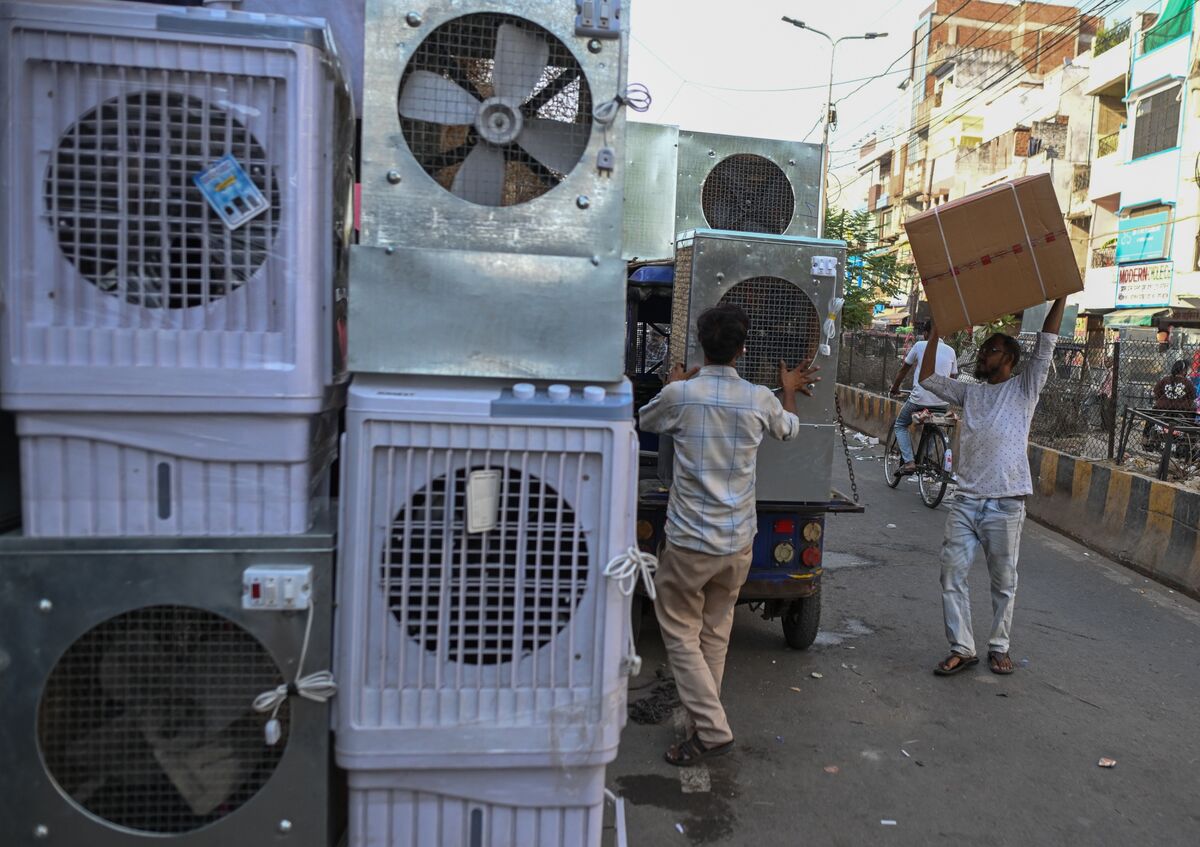
Indian power companies bought 4.5 trillion BTUs of natural gas from the Indian Gas Exchange between April 1 and May 26, nearly 350% more than a year earlier, to meet surging nighttime cooling demand amid intense summer heat. The article points to a sharp weather-driven spike in gas use, but it is primarily a descriptive update rather than a policy or pricing shock. The main implication is higher short-term demand for domestic gas and power generation fuel.
The immediate winner is not just gas marketers but any upstream gas supplier with flexible domestic output and pipeline access into the power sector. A summer-driven spike in spot procurement tends to reprice the last marginal molecule, so the second-order effect is a sharp but temporary uplift in day-ahead gas realizations and a wider spread between domestic gas and LNG-linked alternatives. The losers are coal generators exposed to peak-load displacement: even if total system demand stays high, their operating hours can be cannibalized at the margin during the highest-value evening window.
The key nuance is that this is a weather-sensitive, not structurally durable, demand impulse. If monsoon onset normalizes temperatures, gas purchases can mean-revert within days to weeks, which makes the trade more about spot pricing than a multi-quarter volume story. The bigger medium-term risk is policy response: if power-sector gas demand persists, authorities may lean on imported LNG or preferential allocation, muting upside for domestic spot prices and creating a ceiling on merchant margins.
Contrarian takeaway: consensus will likely frame this as bullish for the gas complex, but the real opportunity may be in relative-value rather than outright long exposure. Gas-fired generators gain the most operational leverage because they monetize scarcity during peak hours while preserving dispatch optionality; by contrast, pure-play gas sellers risk a quick fade once heat subsides. In emerging markets, this also signals that weather shocks can transmit into inflation expectations through power costs, but the duration matters more than the headline magnitude.
AI-powered research, real-time alerts, and portfolio analytics for institutional investors.
Request DemoOverall Sentiment
neutral
Sentiment Score
0.10
