
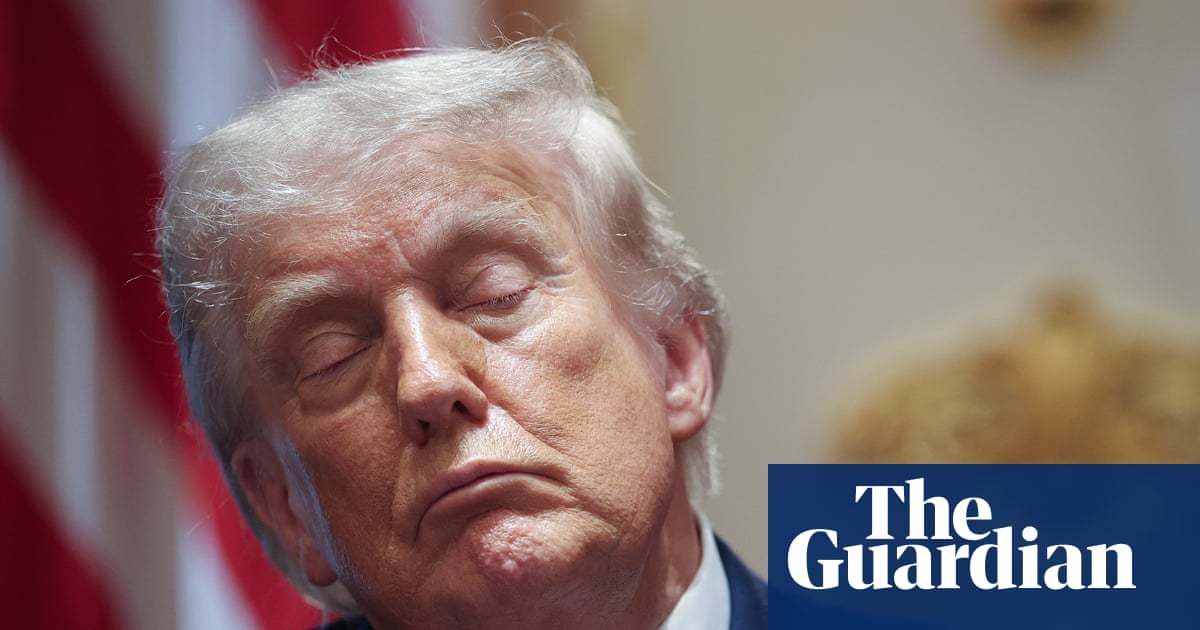
Trump refiled a defamation suit seeking at least $10bn from the Wall Street Journal, after an earlier complaint was dismissed for failing the 'actual malice' standard. The amended case names Rupert Murdoch, Dow Jones, News Corp, CEO Robert Thomson, and two reporters, and alleges reputational and financial harm tied to reporting on Trump’s alleged connection to Jeffrey Epstein. The dispute adds to Trump’s broader legal pressure campaign against media outlets, but is likely more headline risk than market-moving news.
The immediate market read is not about legal merits, but about the probability of a prolonged discovery process that keeps reputational headlines alive for months. That creates a slow-burn overhang for any media asset tied to the same ownership ecosystem: advertisers dislike multi-quarter controversy, newsroom morale can weaken, and management attention shifts from monetization to defense. The more important second-order effect is that repeated litigation may harden editorial behavior across major outlets, increasing self-censorship risk at the margin and reducing the likelihood of aggressive political reporting during the election cycle.
For NYT, this is mildly negative rather than a direct earnings threat. The issue is not lost revenue from one lawsuit, but a higher-cost operating environment: legal reserves, insurance costs, and potentially more cautious coverage that could dull engagement peaks around election-related traffic. If the broader environment turns into a multi-outlet press-vs-politics conflict, subscriber growth can actually benefit from audience polarization, but that tends to show up with a lag of 1-2 quarters rather than immediately.
The contrarian angle is that the market may be over-assigning risk to top-line fundamentals and underpricing the optionality in political/news monetization. Litigation against media often increases audience loyalty among the target readership and can boost conversion during high-salience news periods. The bigger tail risk is regulatory rather than legal: if access restrictions or license threats expand beyond rhetoric, the impact could spread to cable, broadcast, and digital ad inventory with a 6-12 month horizon.
Net: this is a defensive, low-beta negative for media sentiment, but not a thesis-breaking event for NYT. The better trade is relative value versus other media names with less subscription insulation and more ad sensitivity, while keeping an eye on whether legal escalation becomes a broader policy tool in the next 1-2 quarters.
AI-powered research, real-time alerts, and portfolio analytics for institutional investors.
Request TrialOverall Sentiment
moderately negative
Sentiment Score
-0.35
Ticker Sentiment
