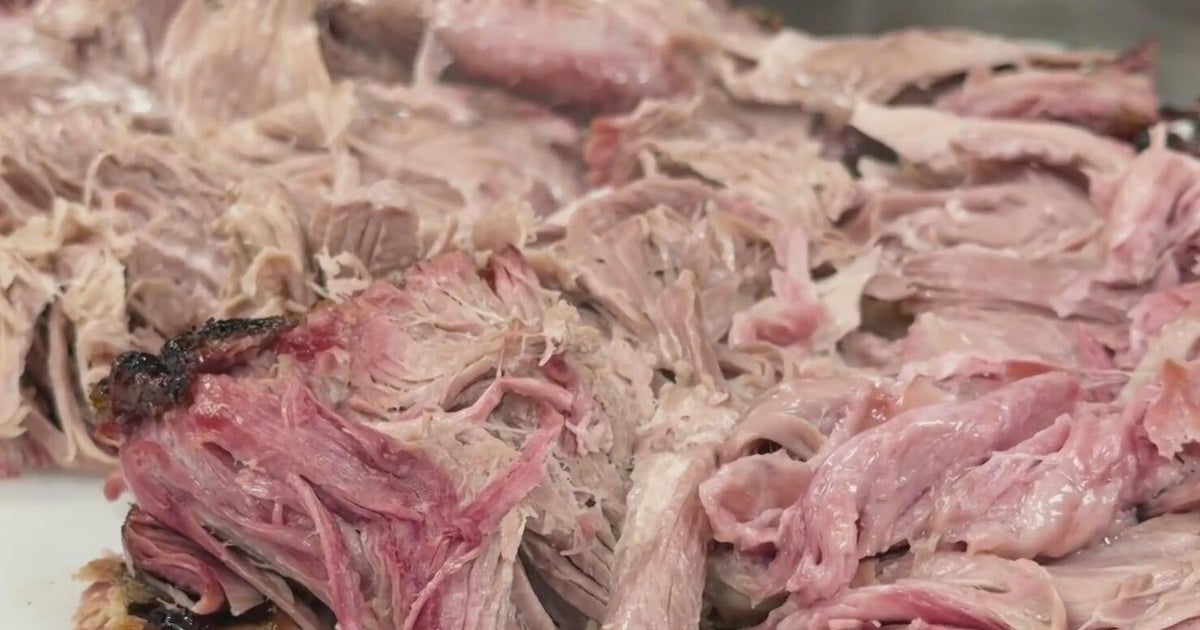
Beef prices have reached a record $9.64 per pound, up about 13% year over year, as the U.S. cattle herd falls to its smallest size in 75 years. South Florida barbecue restaurants say higher beef, fuel, and transportation costs are squeezing already thin margins, with brisket prices at Joe's Grill rising from $2.75 to $5.65-$5.85 per pound. The article points to drought and inflation as key cost drivers, but the market impact is mostly local and sector-specific.
This is less a one-off restaurant margin story than a live stress test for the protein supply chain. The second-order winners are upstream cattle producers, feed suppliers, and beef-packaging businesses with pricing power; the losers are small-format, protein-heavy operators that lack menu flexibility and have limited ability to hedge inputs. The most vulnerable cohort is regional casual dining where beef is a traffic driver but not the full concept — they face a painful mix of volume elasticity and margin compression as consumers push back on price hikes.
The key issue is not just higher input costs, but duration. Herd rebuilding is a multi-year process, so even if weather improves, supply normalization lags by quarters to years; that means restaurants can’t rely on a quick reversion. The larger risk is a negative loop: higher menu prices reduce traffic, which lowers fixed-cost absorption, which forces another round of price increases or labor cuts. That dynamic usually shows up first in franchisees and local operators before it becomes visible in national same-store sales data.
From a market perspective, this is a mild but persistent inflationary impulse that supports the idea that food-at-home and food-away-from-home remain sticky, keeping pressure on lower-income consumers and on concepts with limited value perception. Transportation remains an amplifier rather than the core driver: if fuel eases, it only partially offsets the structural cattle shortage. The contrarian view is that the market may be underestimating how long restaurants can hold pricing because consumers often tolerate incremental increases better than feared, so the immediate earnings hit may be more about mix and traffic than outright sales collapse.
Near term, the most actionable setup is a relative-value short on casual dining names with high beef exposure versus names with stronger value architecture or lower food-cost sensitivity. Over a 3-6 month horizon, any signs of herd liquidation, drought worsening, or a renewed feed cost spike would extend the trade; conversely, a sharp demand slowdown or menu mix shift away from beef would blunt the thesis. The asymmetry favors small operators and franchise-heavy restaurants as the weak link, while branded food suppliers and value chains should prove more resilient.
AI-powered research, real-time alerts, and portfolio analytics for institutional investors.
Request DemoOverall Sentiment
moderately negative
Sentiment Score
-0.38
