
Activist Investor Ananym Urges Bio-Techne to Consider Selling
Source: Bloomberg
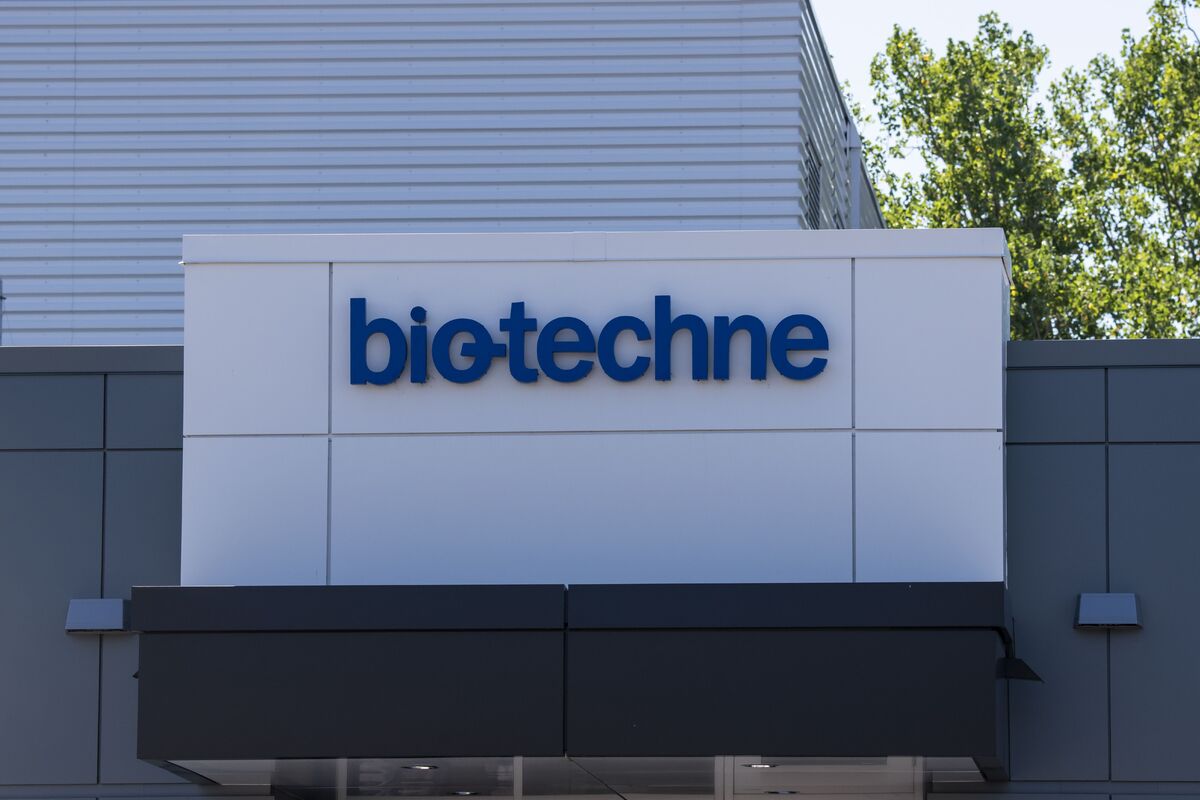
Activist investor Ananym Capital Management has built a stake in Bio-Techne and is urging the board to pursue a strategic review, including a potential sale. The campaign signals dissatisfaction with Bio-Techne’s relative underperformance versus life-science tools peers and the broader market. The news raises takeout speculation and governance pressure, but no transaction has been announced.
Analysis
An activist push here is less about a near-term operating fix and more about forcing a rerating of a quality asset that the market has been treating like a slow-growth tool supplier. The key second-order effect is that a sale process can reset the valuation framework from standalone multiple compression to transaction comps, which tends to pull forward value even if no deal closes. That dynamic is especially relevant in life-science tools, where strategics can underwrite synergy from procurement, channel overlap, and R&D consolidation that public markets usually discount.
The losers are likely to be smaller peers with similar growth profiles and mediocre capital allocation, because a credible process at one name can widen the spread between strategic-quality assets and “orphan” assets across the group. If a larger acquirer emerges, the real beneficiary may be the buyer’s revenue base rather than the target’s standalone shareholders, since the asset’s value is likely highest as a bolt-on inside a broader platform. That creates a subtle contagion risk: competitors can become acquisition bait, but they can also trade weaker if investors assume their own standalone premium is similarly fragile.
Catalyst timing matters. This is a months-long process unless the board is already prepared to run a structured sale, so the stock can drift with headline volatility rather than re-rate immediately. The main downside is that management resists, no bidder emerges, and the market re-focuses on execution; in that case, the activist premium can unwind quickly. The main upside skew comes if a credible strategic review begins, because even a low-probability sale can cap the downside and compress the equity risk premium.
The contrarian read is that the market may already be pricing in a lot of disappointment, making the activism less of a fundamental indictment and more of a capital structure/ownership catalyst. If Bio-Techne’s issue is actually cyclical end-market normalization rather than structural weakness, then a sale process may merely crystallize a valuation that would have recovered over 12-24 months anyway. In that scenario, shorting purely on the activism headline risks being late unless the operating data worsens further.
AllMind Terminal
AI-powered research, real-time alerts, and portfolio analytics for institutional investors.
Request TrialMarket Sentiment
Overall Sentiment
mildly negative
Sentiment Score
-0.30
Ticker Sentiment
Key Decisions for Investors
- Buy TECH on weakness only if a formal strategic review is announced; target a 3-6 month window for a 10-15% rerating versus downside limited to low-double digits if no process emerges.
- If already long TECH, sell upside calls against the position into activist-driven spikes to monetize the event premium while preserving core exposure to a potential bid.
- Pairs trade: long TECH / short a lower-quality life-science tools peer with weaker growth and lower margin resilience over 2-4 months; goal is to capture relative rerating if activism broadens the M&A screen.
- For event-driven accounts, consider a small long TECH call spread expiring in 3-6 months; risk/reward favors defined upside if a sale process starts, with premium decay if the board stalls.
- Avoid outright shorting TECH on the headline alone unless post-event fundamentals deteriorate; the closer the board gets to a process, the more borrow/option demand can make the short expensive.
More News
- Jaguar Land Rover to layoff thousands of jobs in $2.3 billion cost-saving overhaul
- Standard Life H1 2026 slides: profit surges, Aegon deal advances
- Boeing's Free Cash Flow Turned Positive. Here's What Has to Happen Next for the Turnaround to Stick.
- Novo Nordisk trial shows semaglutide helped 40% of children
- How to Watch the Apple September Event (2026)
- Rocket Lab's Neutron Just Slipped Again. Here's the Only Date That Still Matters for Shareholders.