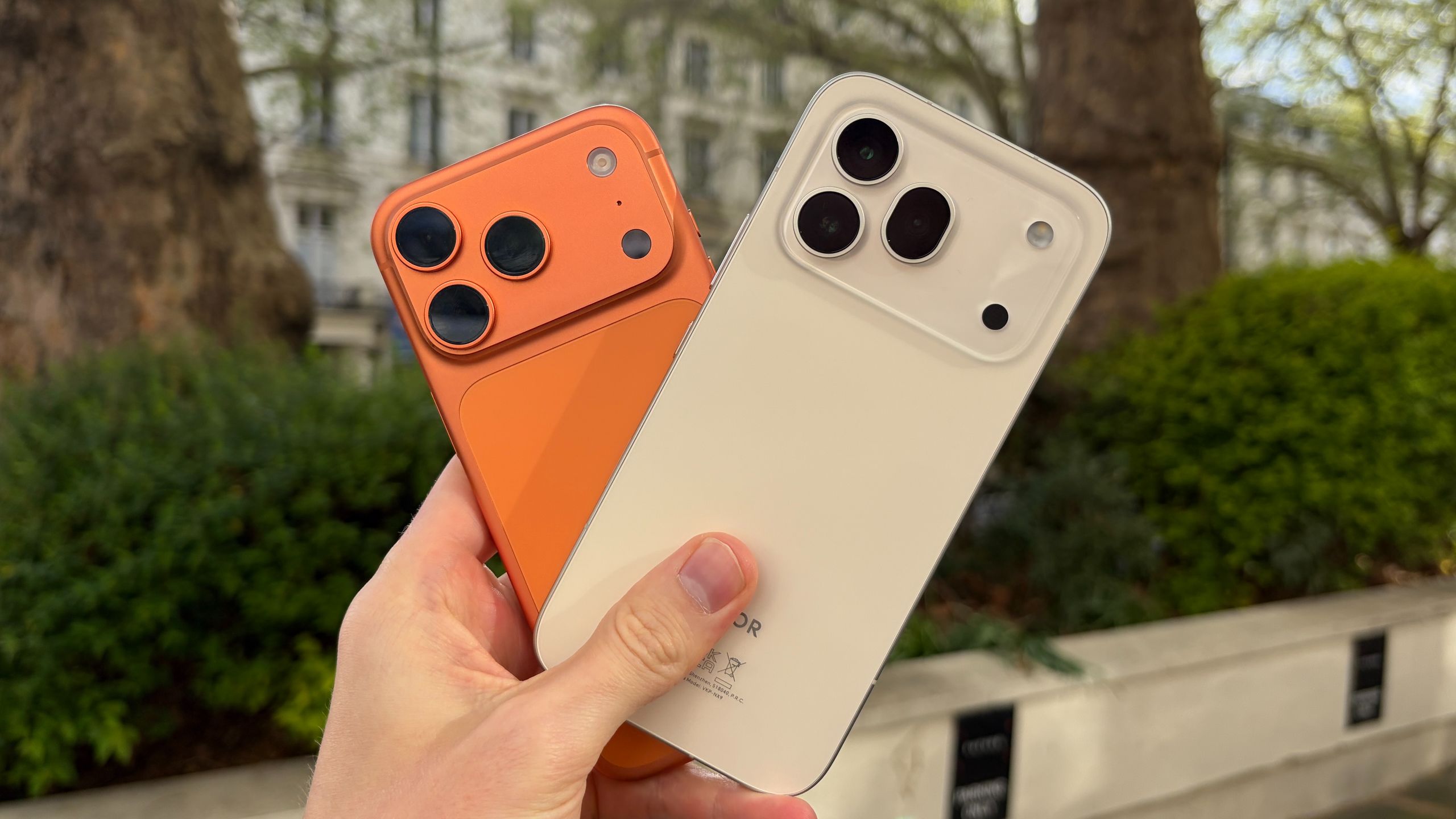
Honor’s 600 Pro launches with a 6.57-inch AMOLED display featuring record-thin 0.98mm bezels, a 200MP main camera, and a 7,000mAh battery, positioning it as a premium mid-ranger that rivals the iPhone 17 Pro and Samsung Galaxy S26 Ultra on select specs. It also includes a Snapdragon 8 Elite chip, 80W wired charging, 50W wireless charging, and AI features such as Honor’s AI Color Engine and SuperMoon 2.0 night mode. The article is broadly positive on the product, but price and launch-market availability remain uncertain.
This reads less like a pure handset launch and more like a signal that Chinese OEMs are continuing to compress the premium-feature stack faster than the market expects. The important second-order effect is not design mimicry; it’s category reset: a sub-flagship price point now appears capable of bundling a near-flagship battery, top-tier silicon, and aggressive camera hardware, which raises the bar for every Android vendor in the 2H launch cycle. That pressures ASPs across the broader premium Android ecosystem and makes it harder for incumbents to defend margin without meaningful software or ecosystem differentiation.
For Apple, the incremental risk is not immediate unit loss in developed markets, but erosion of aspirational differentiation in China and other price-sensitive regions where consumers are already willing to trade brand cachet for specs. The biggest threat is that feature parity on battery life and display ergonomics reduces the rationale for paying a flagship premium, especially when AI features are becoming table stakes rather than a moat. If this pattern persists for 2-4 quarters, it could cap mix expansion in the lower end of Apple’s premium band and force more aggressive carrier incentives.
The contrarian read is that the market may be over-fixating on the visual similarity while underpricing the supply-chain implications of a 7,000mAh silicon-carbon design at scale. If that battery architecture becomes a must-have benchmark, component demand shifts toward advanced materials, charging ICs, and thermal management rather than just camera modules. The real monetization may sit one layer down the stack: suppliers that enable high-density batteries and faster charging could see content-per-device gains even if OEM handset margins stay pressured.
Catalyst-wise, the next 30-90 days matter for pricing, channel checks, and early review sentiment. A favorable response on battery endurance and display quality would accelerate competitive launches from Oppo, Xiaomi, and Vivo; a tepid reception would quickly relegate this to a design-cycle story rather than a durable share-gain narrative. The key downside risk is that premium-feature inflation outpaces willingness to pay, leading to a spec race that destroys gross margins before it creates share.
AI-powered research, real-time alerts, and portfolio analytics for institutional investors.
Request TrialOverall Sentiment
mildly positive
Sentiment Score
0.20
Ticker Sentiment
