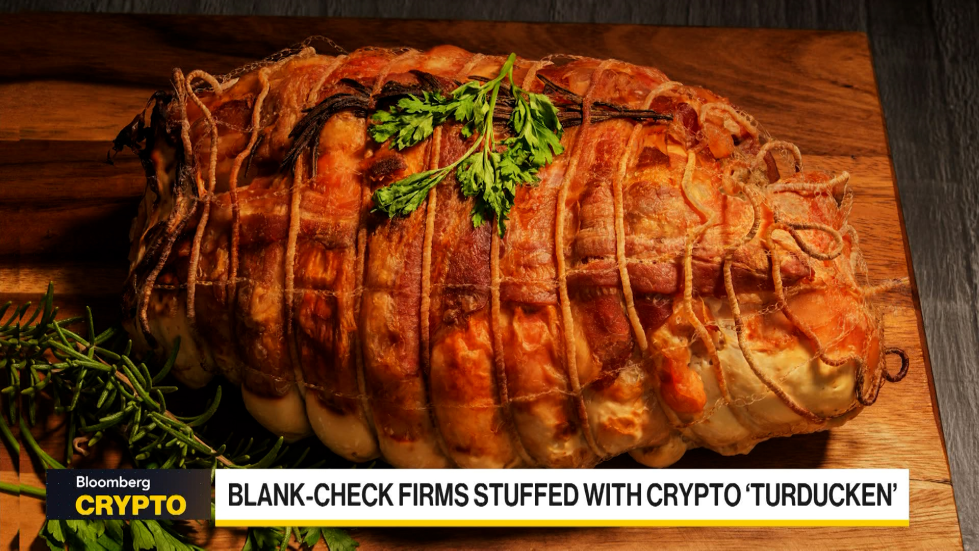
SPAC-sponsored digital-asset treasuries — blank-check vehicles formed to take crypto-holding companies public — are under pressure as cryptocurrency prices cool: Bitcoin is roughly 30% below its October all-time high, and related SPAC/asset valuations have deteriorated. Two high-profile SPAC votes (Cantor Fitzgerald’s deal and a Columbus Circle partnership) are scheduled for December 3 and are likely to close, but other pending transactions face investor scrutiny as reverse-merger activity and marketing-driven valuations unwind (MicroStrategy’s trading multiple fell from north of 2x NAV to about 1.2x). The combination of fading crypto momentum, regulatory concerns and investor skepticism around SPAC economics suggests selective deal closures but weaker demand for new crypto-backed public listings.
MARKET STRUCTURE: Digital-treasury SPACs (sponsors like Cantor Fitzgerald/Columbus Circle) and exchanges collecting fees are short-term winners when crypto rallies; holders of crypto-linked NAV (e.g., MicroStrategy/MSTR, unnamed SPAC shells) are direct losers when BTC falls (BTC ~30% off its Oct ATH reduced apparent NAV multiples from >2x to ~1.2x). Retail-driven issuance/sponsorship economics collapse quickly as redemption rates rise — expect newly-merging SPACs to trade at persistent NAV discounts of 20–40% if BTC stays >15% below ATH for >6 weeks.
RISK ASSESSMENT: Major tail risks are SEC enforcement tightening SPAC/disclosure rules, a fast liquidity squeeze from PIPE redemptions, or a >40% BTC drawdown that forces digital-treasury issuers into distressed equity raises; these materialize on 1–6 month horizons. Hidden dependencies: sponsor economics rely on low redemptions and stable token custody; counterparty/ custody failures (operational) could wipe equity instantly. Key catalysts: BTC crossing $45k (stabilize) or falling below $38k (accelerate SPAC distress), and Dec/Jan shareholder votes for pending transactions.
TRADE IMPLICATIONS: Short the cohort of recently merged or about-to-merge crypto-treasury SPACs (initiate 1–3% notional short per name) and buy 60–120 day puts on MSTR (25–30% OTM) as a liquid corporate-BTC proxy; pair: long DKNG (1–2% position) vs short STRK-like digital-treasury names to express retail/gaming resilience vs crypto-treasury weakness. Use option collars/put spreads to cap cost and exploit elevated implied volatility; reduce pure-SPAC exposure in equity issuance desks by 50% in next 30 days.
CONTRARIAN ANGLES: Consensus underestimates consolidation value — survivors with clean custody and institutional PIPEs will become M&A targets at 30–50% discounts; reaction may be overdone for well-capitalized sponsors with long-term strategic licenses. Historical parallel: commodity ETF wave (2010s) where many launches failed but a few scale to dominant franchises; selectively accumulate post-merger winners after 3–6 months of trading if BTC stabilizes >$55k for 6+ weeks.
AI-powered research, real-time alerts, and portfolio analytics for institutional investors.
Request DemoOverall Sentiment
moderately negative
Sentiment Score
-0.30
Ticker Sentiment
