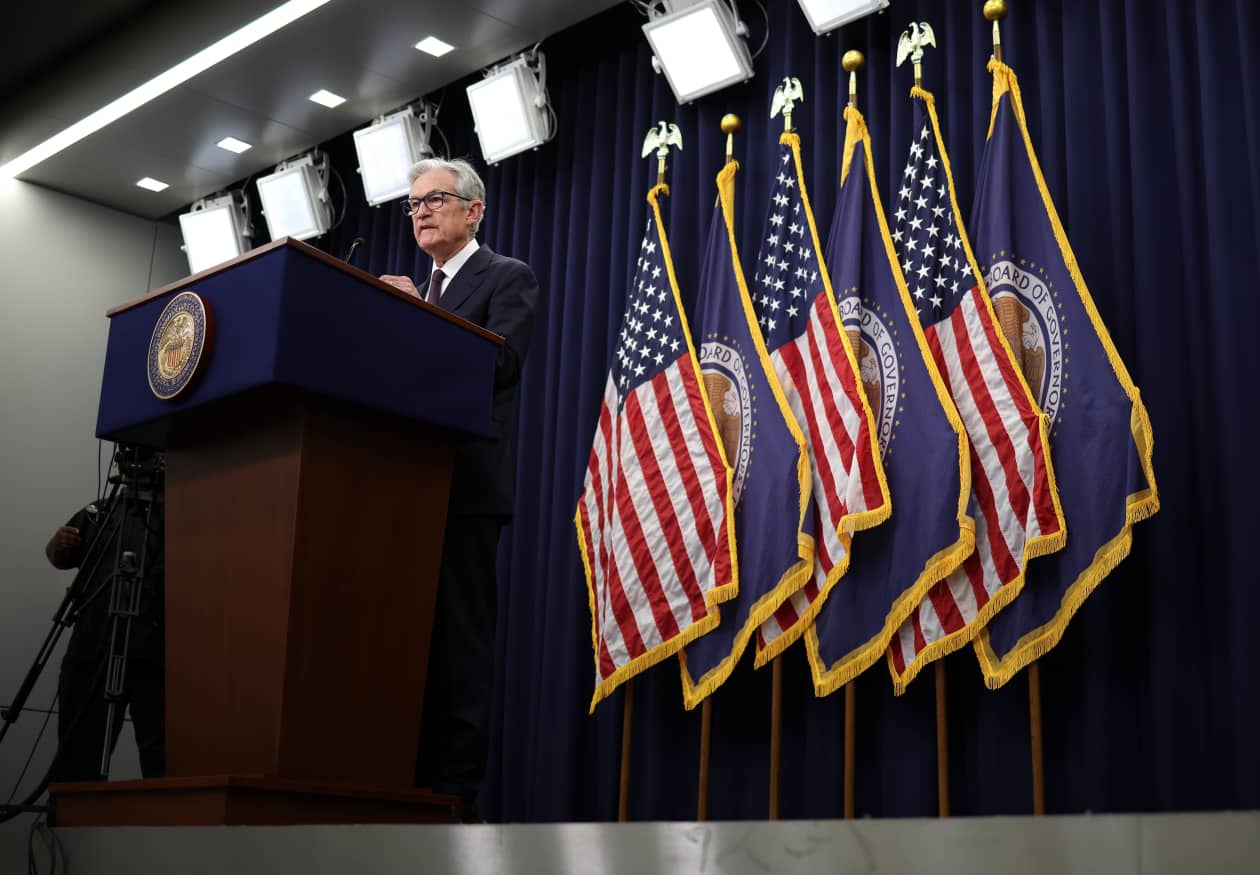
Federal Reserve Chairman Jerome Powell indicated to Congress that tariffs are likely to boost inflation and weigh on economic activity, while offering no clear timeline for future interest rate reductions. Powell stated the Fed is prepared to adjust rates once the full economic impact of tariffs is understood, signaling that monetary policy remains highly contingent on trade war developments.
Federal Reserve Chairman Jerome Powell's testimony introduces significant uncertainty into the monetary policy outlook by explicitly linking future rate adjustments to the unpredictable economic effects of trade tariffs. His statement that tariffs are likely to boost inflation while simultaneously "weigh on economic activity" highlights a complex, potentially stagflationary challenge for the central bank. By remaining non-committal on the timing of future rate cuts and conditioning any action on a "good grasp" of the tariff impact, the Fed has pivoted to a reactive, data-dependent stance. This ambiguity, reflected in the communication's moderately negative sentiment and uncertain tone, elevates the importance of trade negotiation outcomes and incoming economic data as the primary catalysts for future monetary policy decisions.
AI-powered research, real-time alerts, and portfolio analytics for institutional investors.
Request DemoOverall Sentiment
moderately negative
Sentiment Score
-0.45
