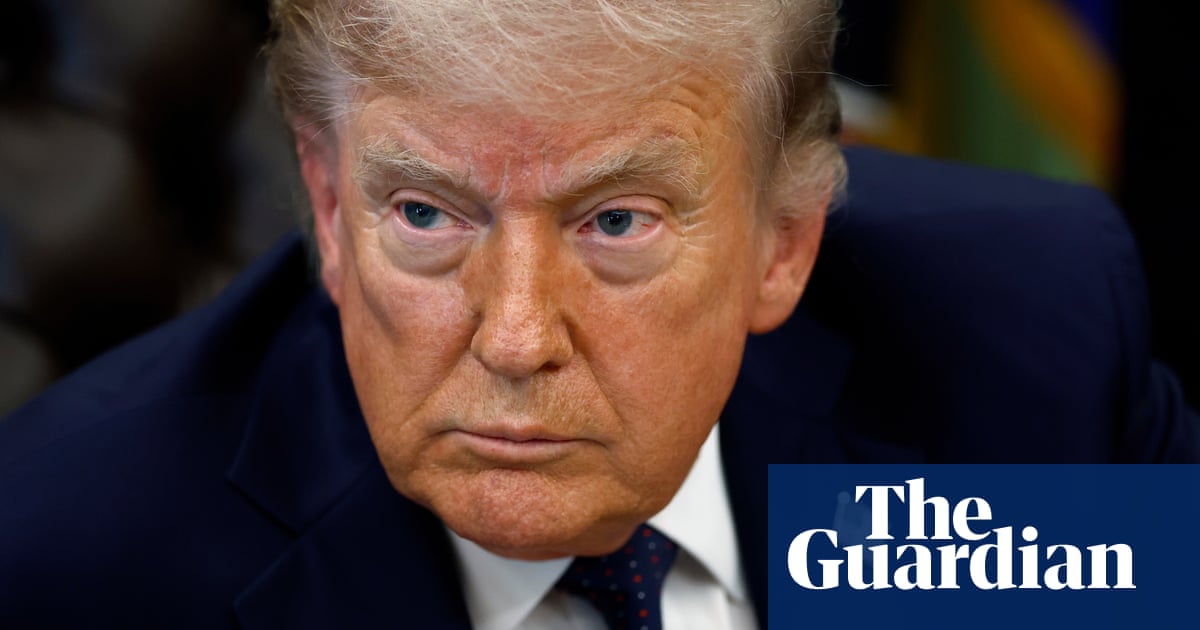
Donald Trump’s remarks calling India a “hellhole” drew a formal rebuke from India’s foreign ministry, which said the comments were inappropriate and did not reflect the India-US relationship. The dispute comes ahead of Marco Rubio’s planned visit to India next month and follows months of Trump pressure on India through tariffs and visa scrutiny affecting Indian tech workers. The episode adds friction to a strategically important relationship, but the immediate market impact is likely limited.
The immediate market impact is not the rhetoric itself, but the signaling that India is becoming a live political variable in Washington rather than a strategic constant. That matters because the most vulnerable cash flows are concentrated in Indian discretionary services exports, staffing, and tech-enabled outsourcing where policy friction can compound into slower visa approvals, higher compliance costs, and softer client conversion over the next 1-3 quarters. The first-order selloff risk is likely in Indian IT services multiples, but the second-order risk is a broader de-rating of the “India as neutral China+1” trade if US policy becomes less predictable.
The bigger medium-term loser may be US multinationals that depend on India as both an engineering base and a growth market. Any escalation into higher tariffs or tighter visa screening raises operating friction for large-cap software, consulting, and electronics supply chains more than it changes top-line demand immediately. For semis and hardware, the key transmission is not India demand alone but project timing: delayed enterprise deployments can shift revenue recognition by a quarter or two, which can matter more than the headline size of the market.
A contrarian read is that this may be over-discounted as a pure India-negative when the real beneficiary could be domestic Indian labor substitutes and offshore automation vendors outside the US political blast radius. If visa access narrows, firms accelerate offshoring, subcontracting, and AI-assisted workflow automation, which can partially offset headcount pressure and preserve margins. The other underappreciated angle is that India has leverage: if tensions impair US access to a fast-growing consumer and digital market, Washington may soften once corporate lobbying begins to show up in earnings guidance.
Catalyst-wise, the next 30-90 days matter more than the next few years. Watch for changes in visa adjudication, tariff rhetoric, and any signaling ahead of the Rubio visit; a de-escalatory joint statement would likely re-rate the trade quickly, while a fresh immigration escalation would hit sentiment first and fundamentals later. This is more a policy-volatility event than a structural India bear case unless it spills into formal trade measures.
AI-powered research, real-time alerts, and portfolio analytics for institutional investors.
Request TrialOverall Sentiment
mildly negative
Sentiment Score
-0.35
