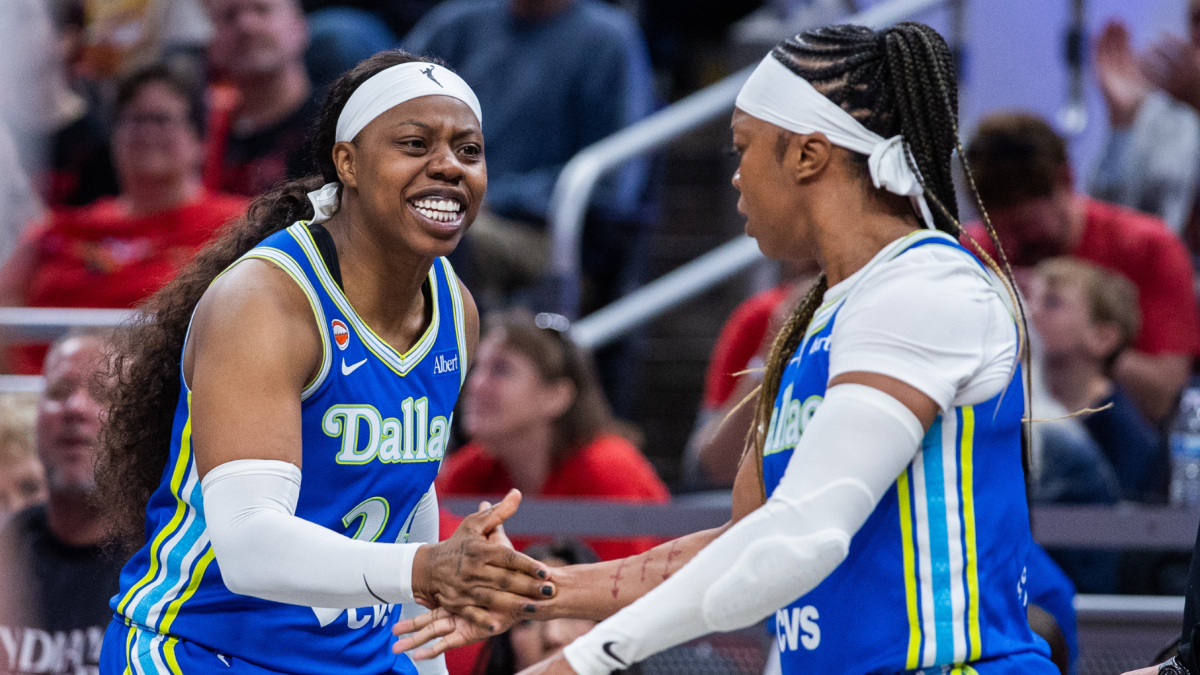
The WNBA finalized a seven-year collective bargaining agreement running through 2032, with an opt-out after 2031, ending uncertainty over a possible work stoppage. The deal establishes the league’s first comprehensive revenue-sharing model, raises salaries, enshrines charter travel, and improves retirement, health and family-planning benefits. It also supports continued league growth, with 31 players earning over $1 million this season and a record $500,000 rookie salary for Paige Bueckers.
The main investable implication is not the game result; it is that labor risk has been converted into a multi-year growth asset. By locking in revenue share, higher minimums, charter travel, and better benefits, the league has effectively raised the floor on player retention, travel efficiency, and product consistency—three variables that directly influence attendance durability, national media value, and sponsor confidence. That matters because women’s sports valuation is still early in the curve, so small improvements in reliability can translate into outsized multiple expansion.
The second-order winner is the ecosystem around the league: media rights holders, apparel/merchandise partners, venue operators, and expansion owners. A labor peace premium should compress perceived execution risk for new franchises and lower the discount rate investors assign to future cash flows; that is especially relevant where expansion fees and franchise marks are re-rating faster than operating profits. The flip side is that player comp inflation raises the bar for undercapitalized ownership groups and could force weaker teams to lean harder on local sponsorship and ticket pricing, creating dispersion within the league.
The near-term risk is that the market extrapolates one clean labor resolution into linear growth without respecting the next bottleneck: inventory. Over the next 12-24 months, the constraint is less “will there be basketball?” and more “can the league scale broadcast distribution, arena economics, and star health fast enough to justify current enthusiasm?” A prolonged injury cycle for top draws or a plateau in broadcast ratings would quickly mute the re-rating, especially if expansion dilutes on-court quality before new media deals catch up.
The contrarian takeaway is that the CBA is bullish but not automatically bullish for every adjacent asset. The biggest overhang may shift from labor to valuation discipline: some teams and sponsors may have already priced in perpetual acceleration, while the actual monetization curve usually lags cultural momentum by several seasons. In other words, the best trade is on the incremental beneficiaries of de-risking and distribution, not on the assumption that every franchise is suddenly worth a billion-plus.
AI-powered research, real-time alerts, and portfolio analytics for institutional investors.
Request DemoOverall Sentiment
moderately positive
Sentiment Score
0.60
