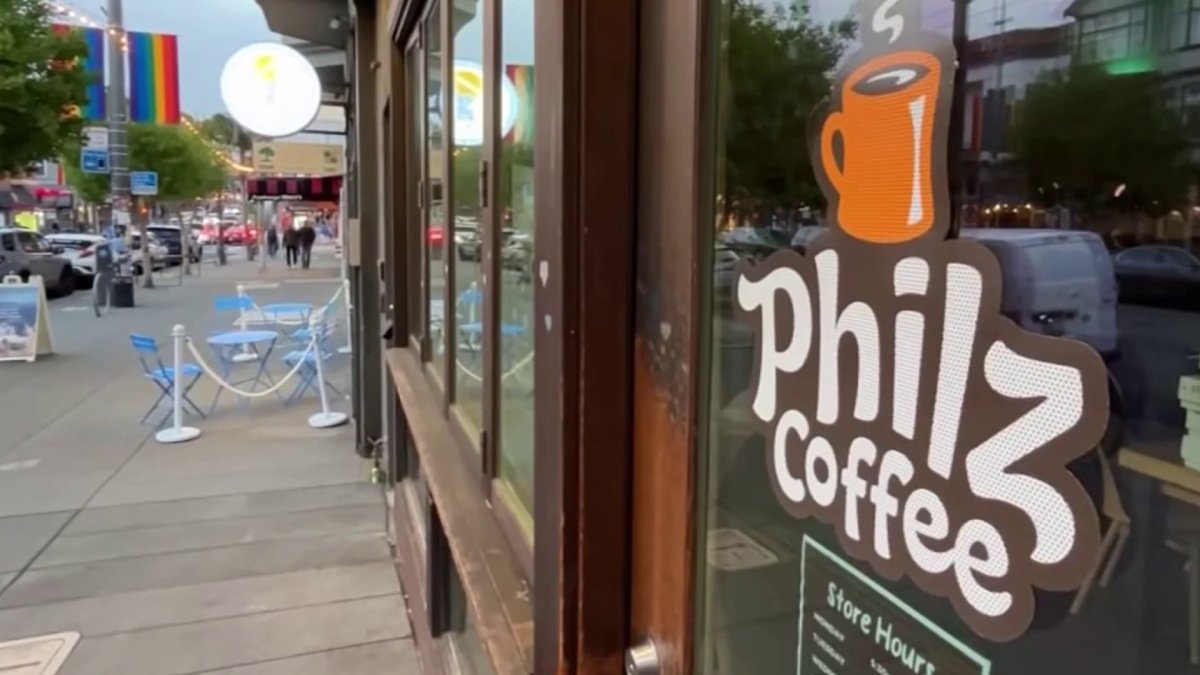
Philz Coffee reversed its prior plan and said Pride flags will remain up at its locations after backlash from customers and employees. CEO Mahesh Sadarangani apologized and said the company had made a mistake, following an online petition and discussions with San Francisco Pride leaders. The news is mainly a reputational and governance update with limited direct market impact.
The immediate signal is not about Pride branding itself, but about the cost of misjudging employee and customer alignment in a low-switching-cost category. Coffee retail is a habit business, so the short-run revenue hit from a controversy is usually modest; the bigger risk is localized traffic leakage at stores where social identity is part of the value proposition, especially in dense urban markets where consumers can reallocate spend within a few blocks. The reversal likely neutralizes the downside faster than it creates upside, because reputational damage in consumer brands tends to fade only after repeated consistent behavior, not one apology.
The more interesting second-order effect is organizational: when workers successfully force a policy reversal, management credibility improves only if it is followed by clearer governance and better internal decision filters. That typically reduces the odds of future self-inflicted ESG/brand mistakes, but it can also make leadership more cautious and slower on marketing decisions for several quarters. For competitors, the episode is a reminder that premium beverage chains with strong community ties can be more vulnerable than national chains to localized activist pressure, even when the economic stakes are small.
From a trading standpoint, this is too small to warrant a direct single-name expression unless the brand is already fragile. The relevant catalyst window is the next 1-3 months, when social-media-driven traffic effects, if any, would show up in same-store comps; beyond that, the issue likely becomes noise unless there is a broader pattern of governance missteps. The contrarian view is that the market often overprices short-lived backlash in consumer names, while underpricing the positive read-through that management may now be more disciplined about protecting employee morale and customer affinity.
For the sector, the cleaner expression is to prefer operators with diversified geography and less identity-sensitive traffic concentration over niche premium concepts. If the company has a publicly traded peer set, any dip on “brand controversy” is usually a mean-reversion opportunity unless there is measurable churn, because the economic transmission to sales is usually second-order and temporary.
AI-powered research, real-time alerts, and portfolio analytics for institutional investors.
Request TrialOverall Sentiment
mildly positive
Sentiment Score
0.15
