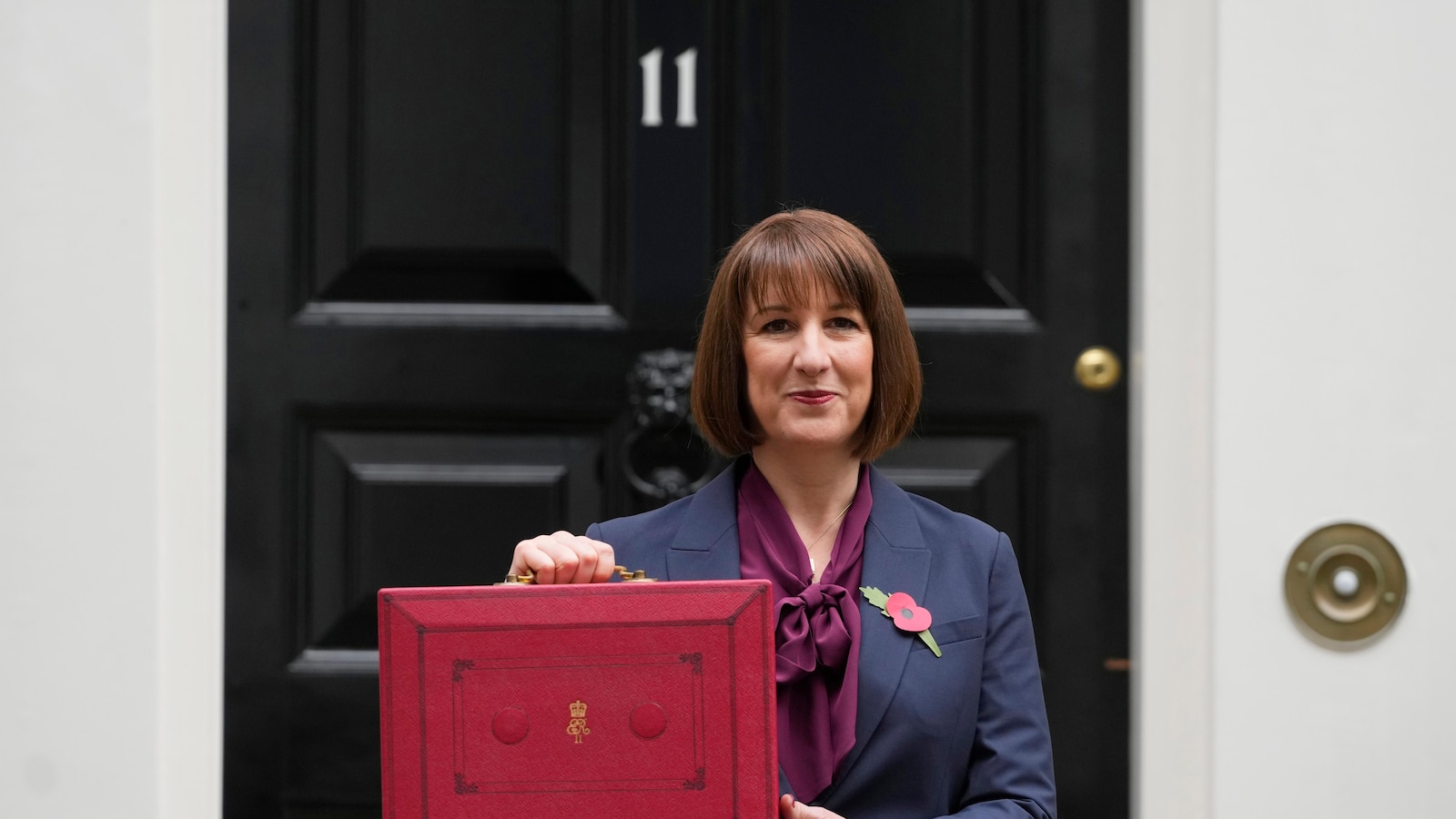
The Labour government faces a high-stakes budget with limited fiscal room, seeking to close a large fiscal shortfall largely through tax rises rather than spending cuts; public debt stands at about 95% of annual national income and the government spends over £100 billion a year servicing that debt. Expected measures include income-tax options (previously signalled then reversed), targeted levies such as a mansion tax and pay‑per‑mile EV charges, plus offsets like an above‑inflation pension increase and a train-fare freeze; markets are wary given the 2022 gilt/pound shock after unfunded tax cuts. A misfiring budget risks higher borrowing costs and renewed market stress, while poor poll ratings and internal Labour unrest raise political risk ahead of the next election.
Market structure: Domestic-focused assets (prime residential, UK small-caps, housebuilders, high‑income consumer discretionary) will carry the first-order fiscal burden; exporters and commodity producers gain via weaker GBP and potential passthrough pricing. Credit-sensitive sectors face higher funding spreads; gilt volatility will lift term premia and push up option-implied vols for GBP and gilts within days.
Risk assessment: Tail risks include a 2022‑style gilt/LDI liquidity squeeze or a sovereign downgrade — low probability but >10% if markets lose confidence — which would spike 2s‑10s by 50–150bps in a week. Near term (days–weeks) watch press reaction and BoE communication; medium term (3–12 months) fiscal multipliers and growth drag determine credit trajectories.
Trade implications: Favor pairs that express USD/commodity beneficiaries versus UK domestic losers: e.g., long large-cap miners, short housebuilders/UK equity ETF (EWU) sized 2–3% of equity exposure; buy GBP and gilt downside protection via 1–3 month options. Use trigger-driven entries (see thresholds) to avoid headline whipsaw.
Contrarian angles: The market may overprice fiscal shock absent LDI/pension forced flows — if 10y gilts breach a stated threshold, central bank backstops become likelier and reclaiming long duration becomes profitable. Conversely, modestly punitive taxes phased over years could make short‑UK-beta trades overstated; idiosyncratic credit stories will decouple from sovereign fear.
AI-powered research, real-time alerts, and portfolio analytics for institutional investors.
Request DemoOverall Sentiment
moderately negative
Sentiment Score
-0.60
