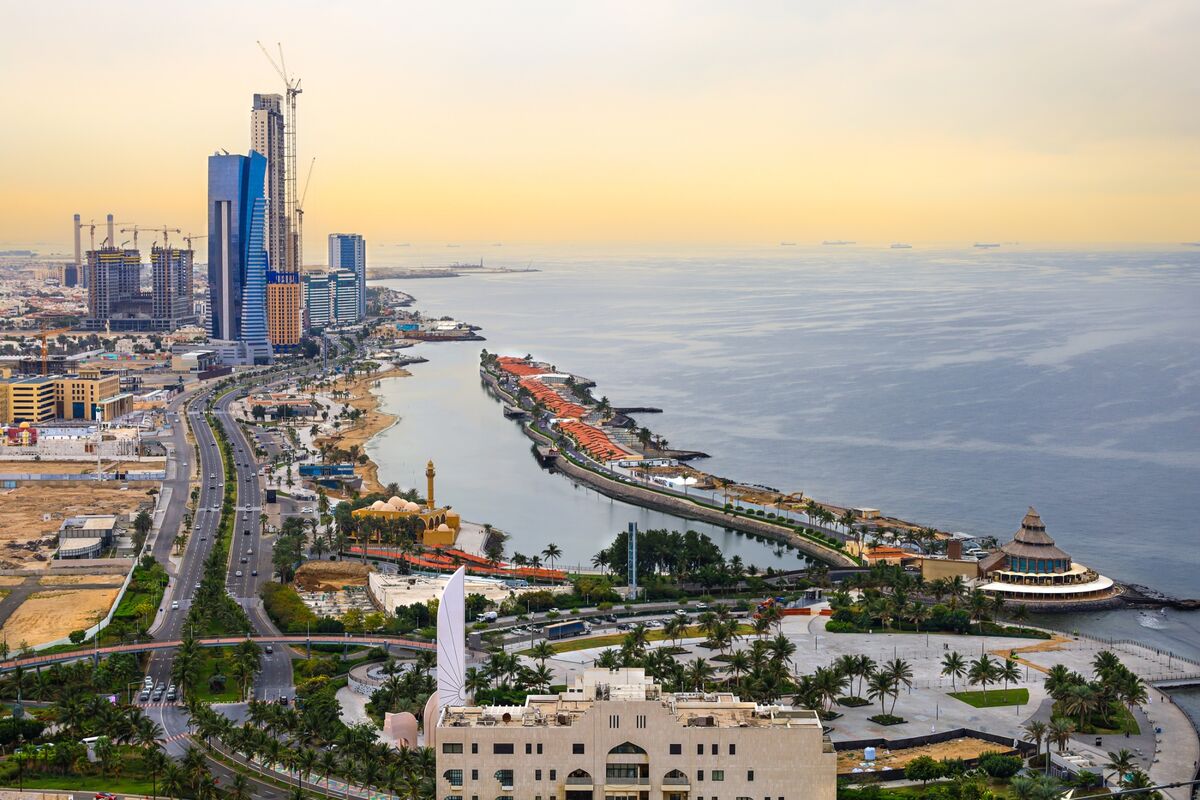
Saudi Arabia has begun construction of two liquor stores in Jeddah and Dammam to serve some non‑Muslim customers, a move framed as part of broader social liberalization. While limited in scope and not yet publicly announced, the initiative signals regulatory easing that could modestly benefit consumer retail, tourism and hospitality exposures in the kingdom if expanded.
Winners will be tourism, branded hospitality and premium retail channels that capture higher-spend non‑Muslim visitors; losers are informal/restless black‑market suppliers and conservative local incumbents whose pricing power may be diluted. Market share shifts will be gradual — expect a 1–3% revenue tailwind to listed hotel/retail revenues in Saudi over 12 months if policy expands, with larger re-rating potential only after 6–18 months of visible demand data.
Tail risks: a policy reversal or local enforcement crackdown (10–25% probability over 12 months) would trigger sharp sentiment losses; operational risks include import/logistics chokepoints and customs duties that could compress margins by 100–300 bps. Short horizon (days–weeks) impact is primarily sentiment/flows, medium (3–6 months) is earnings revisions, long (12–36 months) is structural tourism re‑rating tied to visa and entertainment liberalization.
Trade implications: direct exposure to Saudi via KSA (iShares MSCI Saudi Arabia ETF) and global hotel names (MAR, HLT) offers asymmetric upside; preferred instruments are 3–6 month call spreads to limit downside and size initial exposure to 1–3% portfolio weight per idea. Pair trades: go long KSA versus short EEM beta‑adjusted for 6–12 months to capture Saudi reform alpha; enter within 30–90 days and reprice at first official policy package or when inbound tourist arrivals rise >5% y/y.
Contrarian: market likely underprices signaling value — an incremental alcohol/tourism liberalization historically precedes multi‑year consumer re‑rating (UAE parallels: 20–30% sector gains). Thresholds to watch that would flip consensus: issuance of >10 retail permits in 12 months or upgrade to visa liberalization; unintended consequences include new compliance costs and reputational backlash that could transiently depress domestic consumer names.
AI-powered research, real-time alerts, and portfolio analytics for institutional investors.
Request DemoOverall Sentiment
mildly positive
Sentiment Score
0.25
