
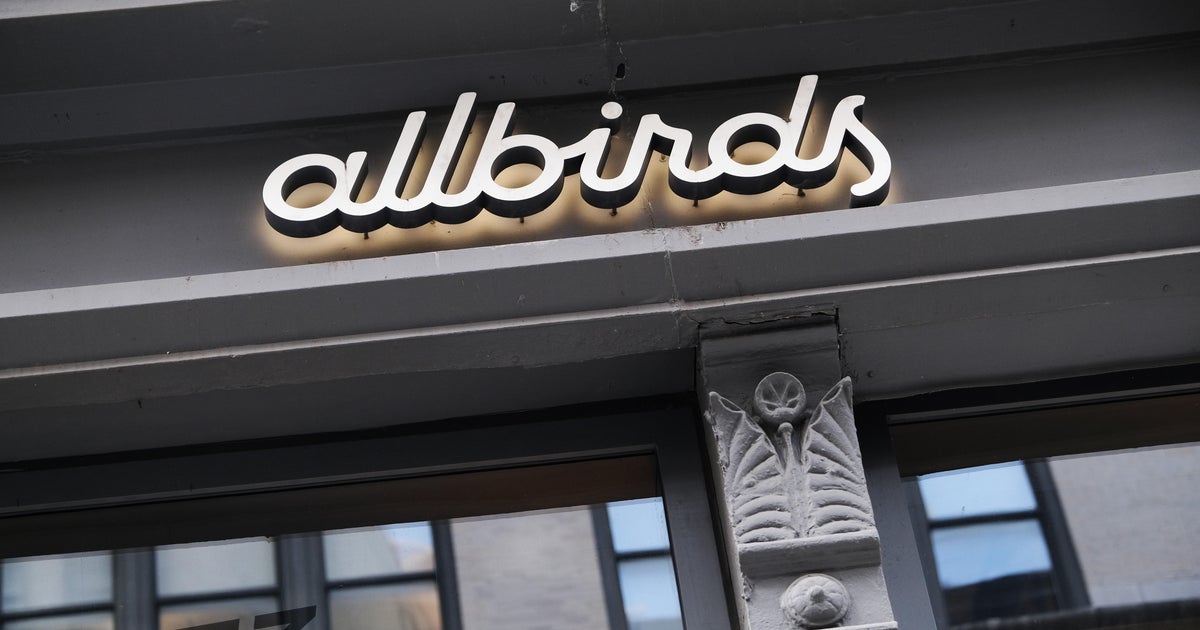
Allbirds said it is pivoting from footwear to an AI business called NewBird AI, backed by a $50 million institutional investor agreement and the sale of its footwear assets to American Exchange Group. The stock surged 597% to $17.35, or $14.86, as investors embraced the turnaround narrative and the company’s focus on AI compute infrastructure. The move is highly speculative, but it materially changes the company’s business model and could keep the stock volatile.
The immediate market reaction is less about the business plan and more about the structure: a low-float equity plus a transformative narrative can reprice violently when investors think they’re buying optionality on an AI platform rather than a consumer brand. That makes the first leg of this move mostly sentiment-driven, but it also creates a financing reflexivity loop — if the company can keep equity elevated long enough, it can raise more capital on better terms than any operating shoe business could have supported. The key second-order effect is that the equity may now trade like a microcap AI story rather than a fundamentals story, which can persist for weeks if retail flow stays active.
The competitive backdrop is less favorable than the headline suggests. Compute infrastructure is a scale, capex, and procurement business with brutal incumbent advantages in power access, GPU supply, networking, and customer credibility; a rebrand does not create those assets. If management lacks a credible technical team or balance sheet to secure supply, the market will eventually re-rate this as a shell-value trade, especially once investors start asking where the gross margin comes from in a highly commoditized layer of the AI stack.
The contrarian read is that this may be a classic “optionality premium” bubble, where the stock overshoots on a plausible but underdefined transition. That said, bubble dynamics can last longer than short sellers expect, so the trade is not to fade blindly on day one but to wait for evidence that the capital raise translates into actual infrastructure contracts, hires, and disclosed partners. The risk reversal is straightforward: if no technical execution appears within 1-2 quarters, the move likely unwinds sharply as the market shifts from narrative to proof.
For portfolio construction, the better setup is to express skepticism through structure rather than outright size. The equity could remain disconnected from fundamentals in the near term, but the probability of dilution, execution failure, or a credibility gap is high enough that the stock becomes vulnerable once the initial squeeze exhausts itself.
AI-powered research, real-time alerts, and portfolio analytics for institutional investors.
Request TrialOverall Sentiment
strongly positive
Sentiment Score
0.82
Ticker Sentiment
