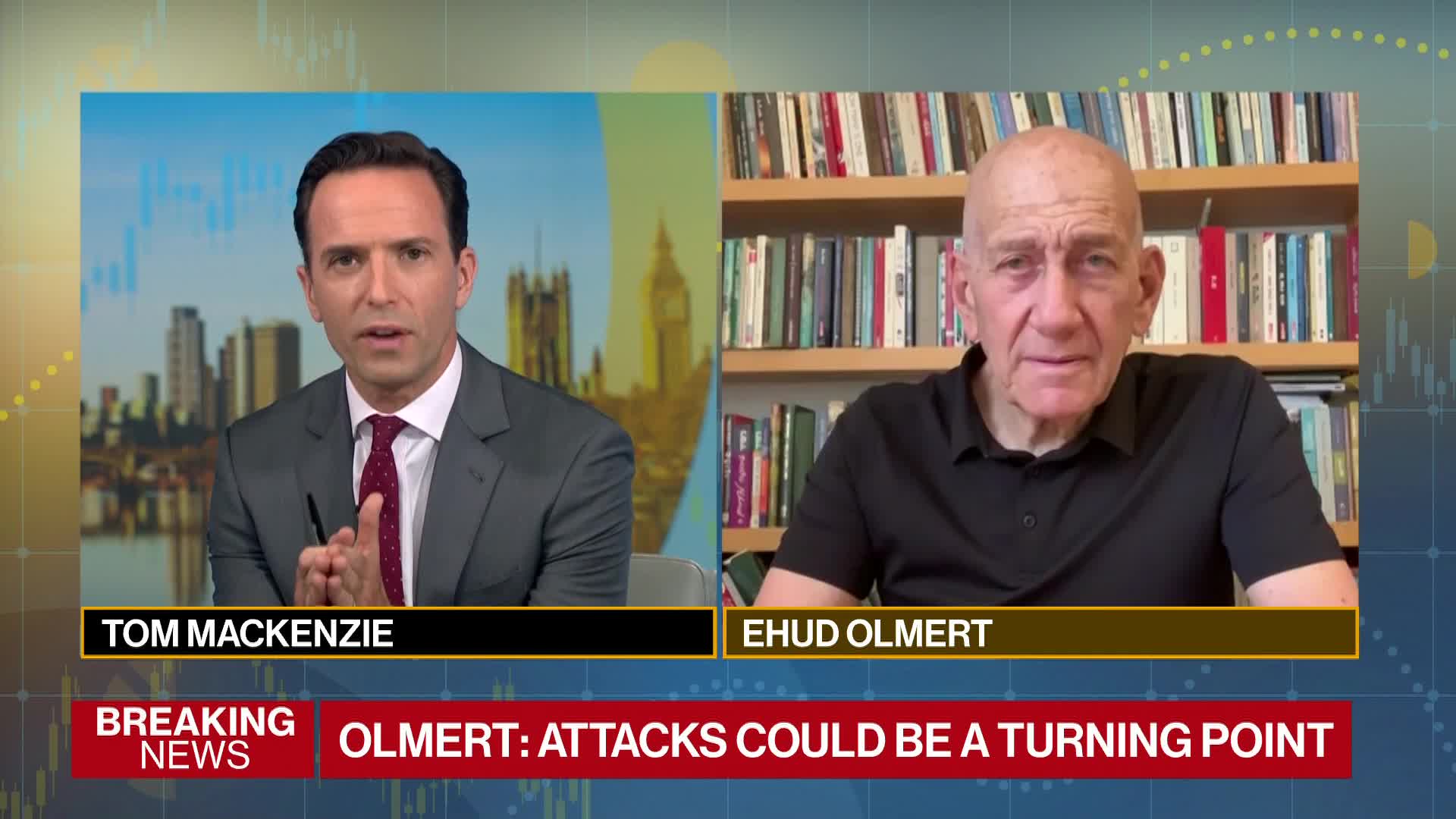
Former Israeli Prime Minister Ehud Olmert stated that potential US airstrikes on Iran could be a "turning point" for the Middle East, emphasizing Israel's longstanding objective to neutralize Iran's nuclear capabilities. Olmert warned Iranian authorities that they cannot evade such action, underscoring heightened geopolitical tensions and the persistent risk of military confrontation in the region.
Commentary from former Israeli Prime Minister Ehud Olmert has significantly elevated the perceived risk of military confrontation in the Middle East. His characterization of potential US airstrikes on Iran as a "turning point," combined with a direct reference to Israel's "lifelong desire" to neutralize Iran's nuclear program, signals a hawkish and uncompromising stance. This rhetoric, classified with a strongly negative sentiment score (-0.75) and a high market impact score (0.75), suggests that the probability of conflict is being seriously considered in influential circles. Olmert's warning that Iran cannot hide in even its "most remote bunkers" underscores the gravity of the threat. For markets, these statements intensify tail risks, with immediate implications for asset classes sensitive to geopolitical instability, particularly energy commodities and defense-related equities.
AI-powered research, real-time alerts, and portfolio analytics for institutional investors.
Request DemoOverall Sentiment
strongly negative
Sentiment Score
-0.75
