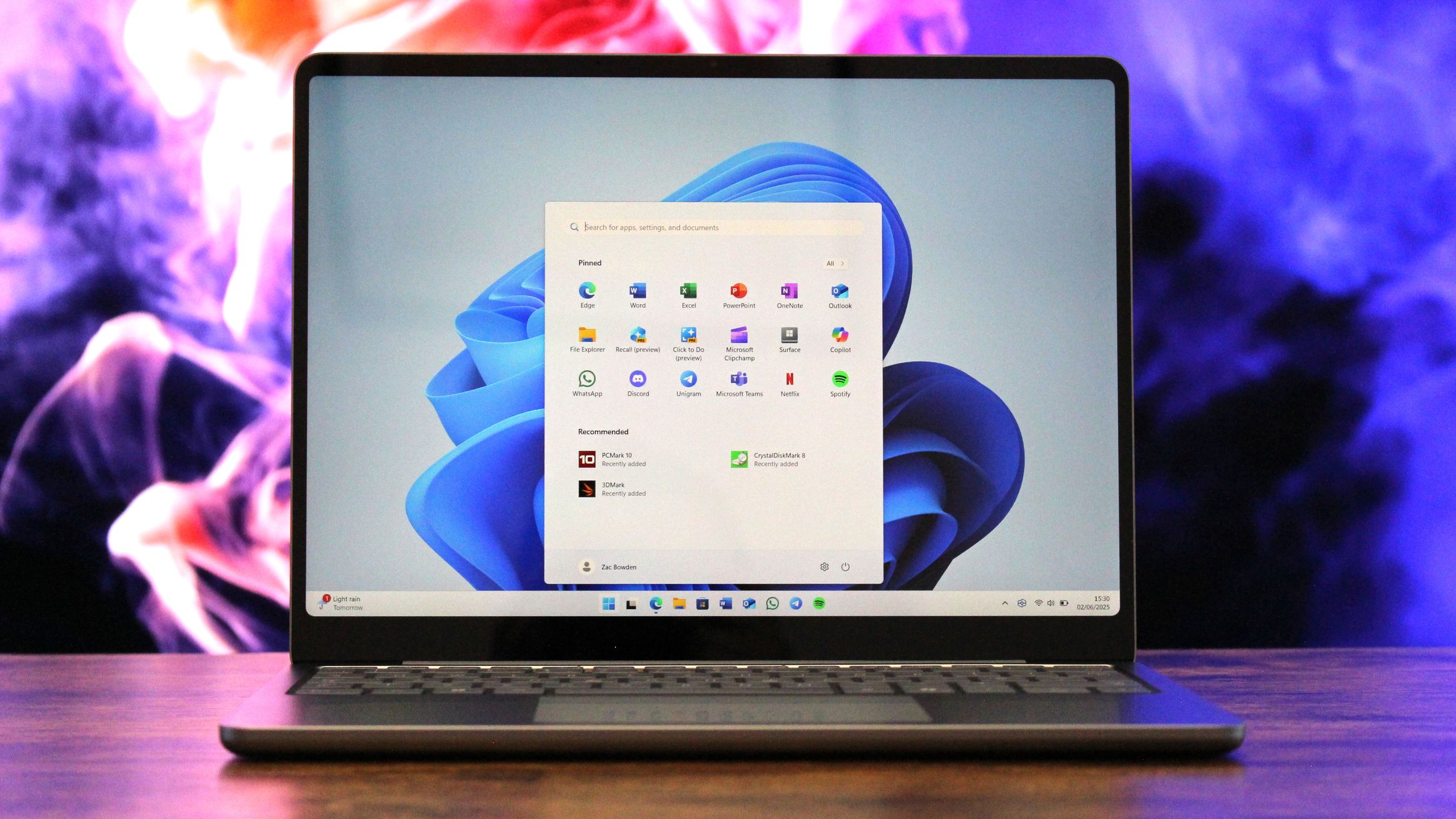
Microsoft is overhauling Windows 11 through an ongoing codenamed initiative, Windows K2, aimed at improving performance, reliability, and user trust by the end of 2026 into 2027. The plan includes a faster, rebuilt Start menu, taskbar flexibility, less bloat, better Windows Update behavior, and a stronger focus on quality over shipping features quickly. The changes are positive for Windows platform quality, but the article is primarily strategic and unlikely to have an immediate material market impact.
This is less a product refresh than a reset of the Windows operating model, which matters because it changes the probability distribution on future execution. If Microsoft really slows feature velocity and re-weights internal incentives toward quality, the near-term effect is fewer visible AI “surprises,” but the medium-term payoff is lower churn, fewer support escalations, and better retention on the installed base. That is bullish for Windows monetization because trust is a prerequisite for pushing higher-ARPU services without triggering more user backlash.
The second-order winner is Microsoft’s broader ecosystem, especially OEMs and gaming-adjacent hardware. A lighter, more reliable OS with lower idle footprint improves the economics of low-end laptops and handheld PCs, which can pull demand forward for Copilot-capable devices and refresh cycles. The competitive signal is also important: if Microsoft can materially narrow the experience gap versus alternative desktop and gaming stacks, it reduces the odds of share leakage at the margin among power users, gamers, and small businesses that influence fleet decisions.
The main risk is that this becomes a multi-year promise with only partial delivery, while the market already prices Microsoft as a high-quality compounder. If users do not see tangible improvements within the next 2-3 quarters, the narrative reverts to “AI distraction,” and the goodwill reset fails. Another tail risk is internal tradeoff: stripping ads and reducing default monetization can modestly pressure near-term engagement economics, but that is likely a rounding error versus the strategic value of reducing brand friction.
From a trading perspective, the setup is better for a slow-burn multiple defense than an immediate earnings catalyst. The market will likely reward proof points in preview builds, update stability, and visible UI improvements over the next 6-12 months, not the headline initiative itself. The contrarian angle is that the move may be underappreciated because it looks unglamorous, yet it directly targets the weakest link in Microsoft’s platform moat: user trust.
AI-powered research, real-time alerts, and portfolio analytics for institutional investors.
Request TrialOverall Sentiment
mildly positive
Sentiment Score
0.35
Ticker Sentiment
