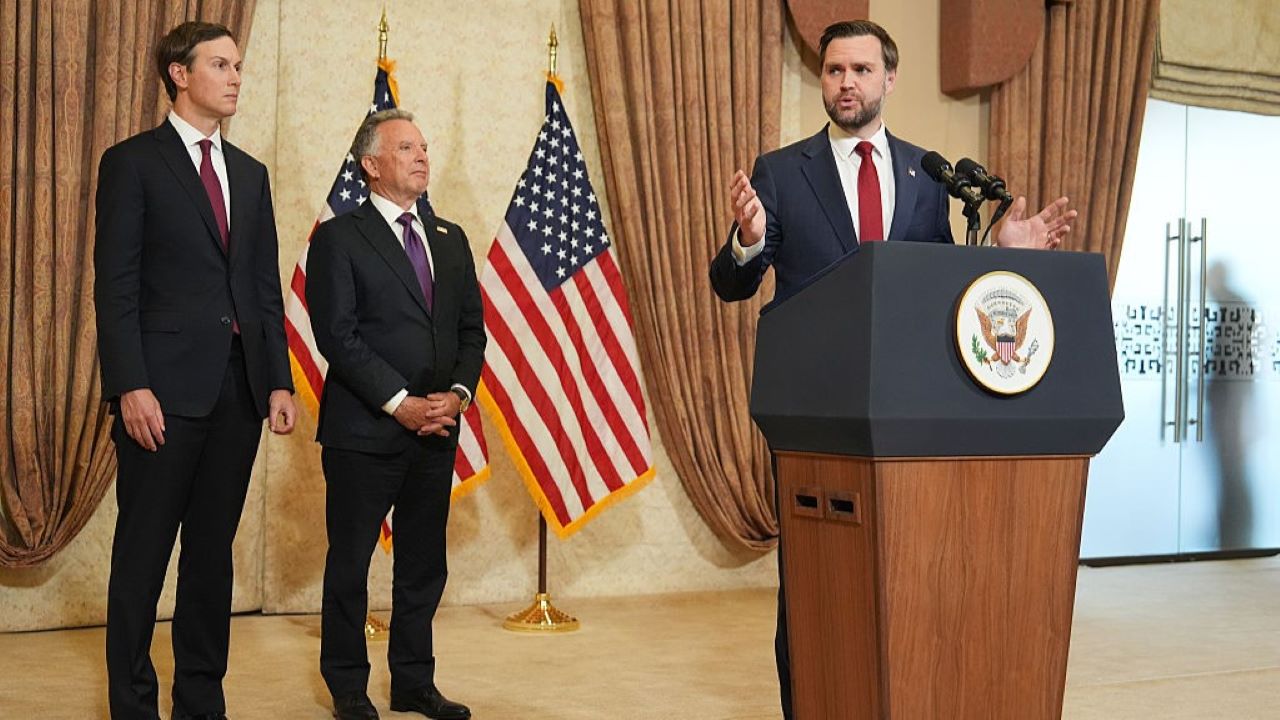
Fresh U.S.-Iran talks could begin as soon as Thursday, with the sides reportedly aiming to secure a deal before the ceasefire expires on April 21. The U.S. has also imposed a blockade on Iranian ports, heightening geopolitical and supply-chain risk. Separately, Israel-Lebanon talks brokered by the Trump administration are set to begin Tuesday amid renewed pressure on Hezbollah and France.
The market implication is less about diplomacy headlines and more about whether the current pressure campaign creates a temporary air pocket in the risk premium or a durable de-escalation. In the near term, any credible path to talks lowers the odds of immediate supply disruption, which should cap the geopolitical bid in crude and compress implied vol across energy-sensitive assets; the first beneficiaries are global cyclicals and transport names that have been carrying an embedded tail-risk premium. But the setup is asymmetric: a failed round of talks after a hard block on ports would be interpreted as escalation, not stasis, because it proves the sanctions architecture is moving from signaling to enforcement. Second-order effects matter more than the direct oil headline. A meaningful squeeze on Iranian export logistics usually routes through shadow shipping, ship insurance, and STS transfer infrastructure before it shows up in headline exports, which means the early winners are not just energy producers but also compliant tanker operators and marine insurers with cleaner exposure to sanctioned trade avoidance. Conversely, refiners with sour crude slates and Asian buyers with flexible procurement are most vulnerable if enforcement tightens over the next 2-8 weeks, because substitute barrels will likely clear at a premium. The contrarian read is that markets may be overestimating the probability of a stable bargain and underpricing the chance of a short-lived tactical pause. Washington can use talks to extract concessions while keeping the blockade in place, which means the downside in crude could be shallow unless there is a verified enforcement rollback. If anything, the more interesting medium-term signal is that the U.S. is willing to pair negotiations with maritime pressure, a template that can be reused on other strategic chokepoints and raises the option value of supply-chain disruption as a policy tool.
AI-powered research, real-time alerts, and portfolio analytics for institutional investors.
Request DemoOverall Sentiment
mildly negative
Sentiment Score
-0.15
