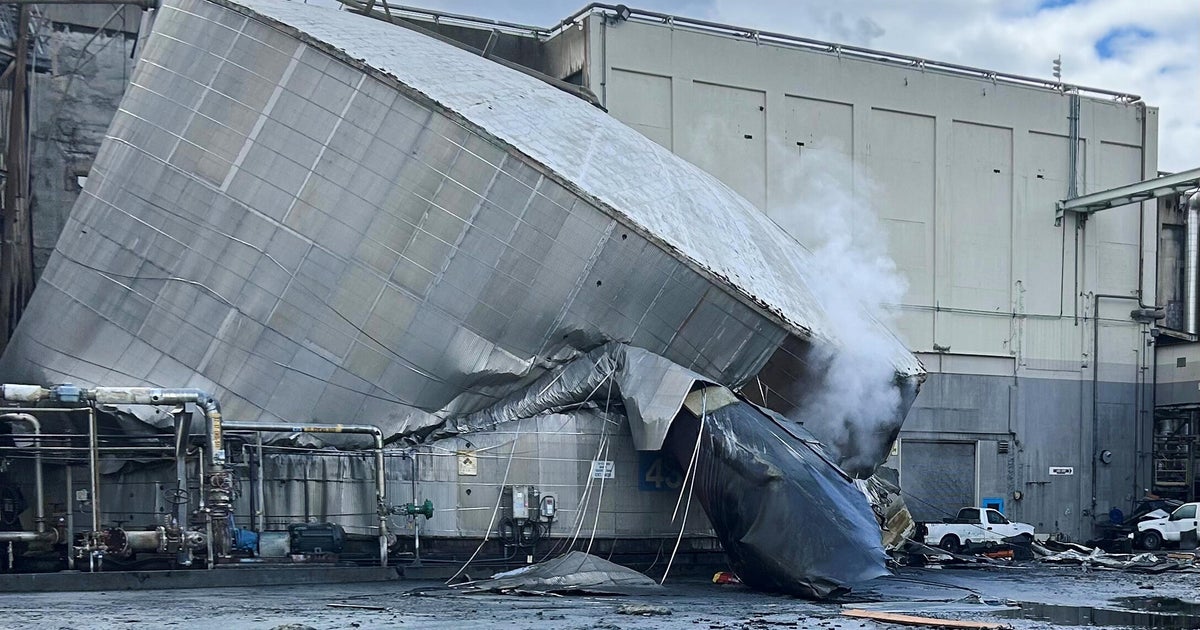
A chemical tank implosion at Nippon Dynawave Packaging's Longview, Washington paper mill has left 11 dead, with six of nine missing workers recovered and three still unaccounted for. White liquor leaked into nearby ditches and reached the Columbia River in limited volume, though officials said air monitoring has not detected hydrogen sulfide and local drinking water remains safe. The mill has been shut down except for minimum staffing, and recovery efforts remain complicated by industrial hazards and decontamination requirements.
This is a near-term earnings shock for the paper/packaging complex, but the second-order effect is wider: the real risk is not just replacement cost, it is downtime at a hazardous-process bottleneck that can tighten supply in a fairly non-elastic industrial input chain. Any mill with exposed kraft/chemical recovery assets now carries a higher discount rate for maintenance capex, insurance renewal, and regulatory scrutiny, which can pressure multiples across the segment even if peers are not directly involved.
The more interesting transmission channel is logistics and customer pass-through. If this facility was supplying regional packaging or pulp intermediates, buyers may be forced into spot sourcing, lifting regional freight and shortening lead times for substitutes; that tends to benefit larger integrated operators with diversified mill networks and surplus capacity, while smaller single-site operators face volume volatility and margin compression. Environmental remediation also creates a multi-quarter cash drag: cleanup, legal, and worker-comp claims can outrun the immediate production loss, especially if investigators find maintenance or controls failures.
In the near term, the stock-market reaction should discriminate between companies with hazardous-chemical exposure and those with cleaner process profiles. The downside tail is a prolonged shutdown plus litigation and insurance exclusions, which could turn this into a 2-4 quarter earnings reset rather than a one-off incident. The key reversal catalyst is a rapid declaration that the tank failure was isolated and fully insurable; absent that, expect underwriting standards and compliance spending to tighten across the sector.
Contrarian angle: the market may over-penalize the entire packaging group if it assumes broad industry contagion from what is likely a site-specific operational failure. But the consensus may also be underpricing the public-policy angle: any contamination concern near drinking water or a river corridor increases the odds of a slower permitting path for expansions and maintenance outages elsewhere, which is a subtle positive for incumbents with newer assets and a negative for legacy mills that need capital just to stand still.
AI-powered research, real-time alerts, and portfolio analytics for institutional investors.
Request DemoOverall Sentiment
strongly negative
Sentiment Score
-0.78
