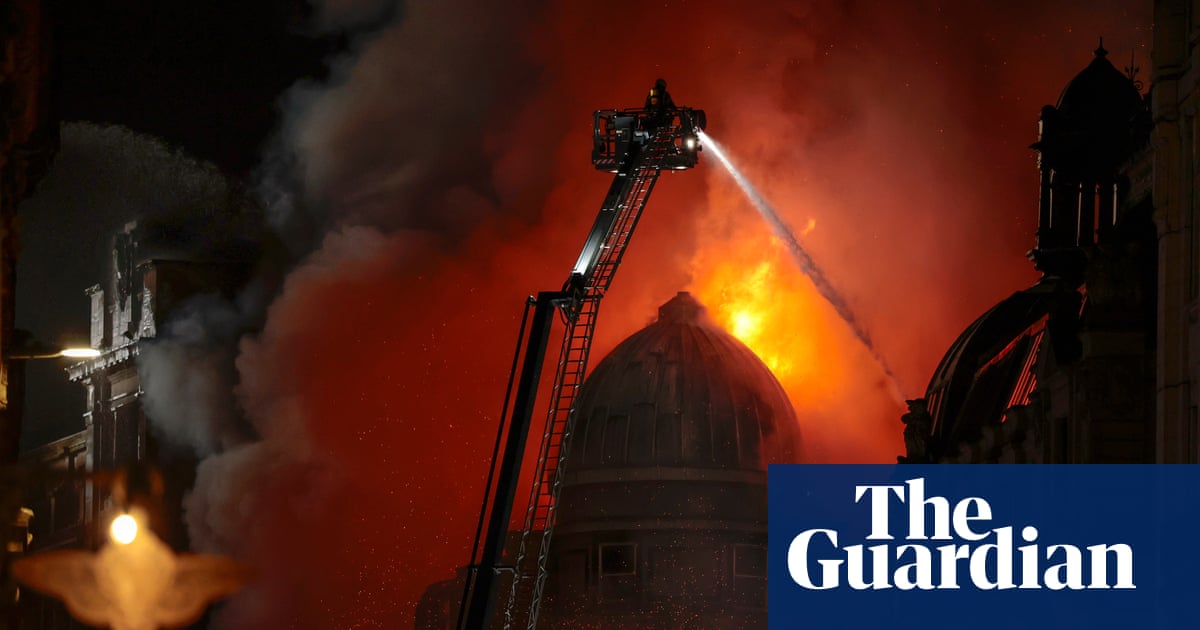
Glasgow Central will remain closed until at least Tuesday after a major fire gutted the mid‑Victorian Forsyth building adjacent to the station, causing the dome to collapse; there were no reported casualties. Network Rail and operators rerouted west coast intercity services to Preston, Carlisle or Motherwell, closed the station high‑level platforms while low‑level trains run without stopping, and TransPennine Express suspended services to Liverpool Lime Street and Manchester Airport with limited replacement buses. The closure and surrounding street restrictions are producing significant local transport and hospitality disruption (including a relocated film‑festival gala and hotel closure) and have prompted calls for tougher vape‑shop regulation; market impact is expected to be localized to transport, retail and hospitality sectors.
The immediate market impact is concentrated in modal substitution and local service provision: coach operators, taxi/rideshare and short‑term car rental will capture incremental demand while fixed rail capacity is restored. Expect a 2–8 week window where operators with spare fleet and flexible routing can reprice routes and capture 5–15% incremental revenue on affected corridors; the capacity constraint creates temporary pricing power rather than structural demand loss.
A second‑order regulatory and insurance cycle is more consequential and longer dated. Local authorities will accelerate inspections and mandate storage/charging rules for consumer lithium batteries, triggering retrofits of mid‑Victorian façades and tenant fit‑outs — a multi‑quarter to multi‑year uplift in specialized remediation and fire‑hardening capex. Insurers with concentrated urban commercial portfolios will face a claims aggregation and repricing event; that will widen commercial rates and reduce underwriting capacity in the short term, benefiting reinsurers selectively but pressuring smaller UK P&C carriers.
Watch catalysts tied to contract awards, regulatory consultations, and insurance claim aggregates as the roadmap for price moves. A quick restoration with insurance covering most losses would compress contractor spreads and limit insurance hits to earnings — a positive reversal in 3–6 months — whereas prolonged disruption or new operating rules that limit retail adjacency to critical infrastructure would push multi‑year capex and regulatory costs. The market is likely to overreact to headline disruption in the next 2–6 trading sessions; opportunities favor nimble exposure to restoration beneficiaries and tactical protection on underwriters with local concentration.
AI-powered research, real-time alerts, and portfolio analytics for institutional investors.
Request DemoOverall Sentiment
strongly negative
Sentiment Score
-0.60
