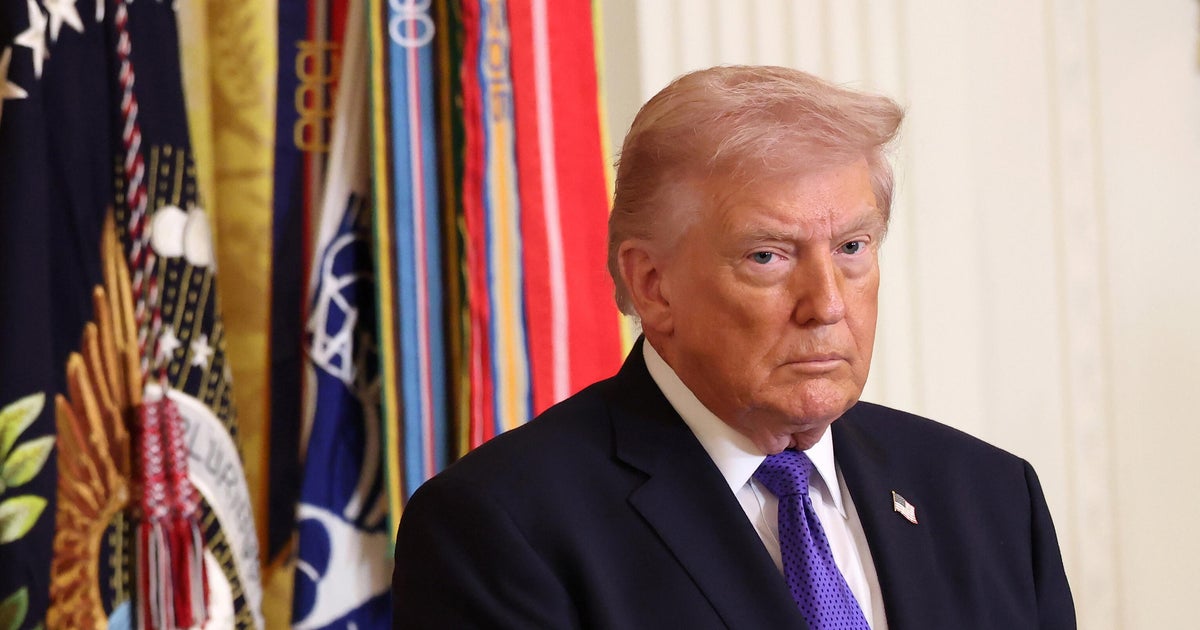
The U.S. launched a major military offensive against Iran, with President Trump saying over 1,000 targets were struck in the opening days to degrade Iran's missiles, navy, nuclear program and proxy funding; CENTCOM reported all 12 Iranian naval ships in the Gulf of Oman destroyed and the president said 49 senior Iranian leaders were killed. The strikes, described as preemptive and expected to last weeks, have effectively halted tanker transit through the Strait of Hormuz (which carries roughly 20% of global oil and LNG), prompted major carriers to suspend shipments and pushed oil prices higher. Hedge funds should price in a near-term energy supply shock, shipping/logistics disruptions, elevated geopolitical risk premia and potential safe-haven flows; the timeline and risk of regional escalation remain material uncertainties for positioning.
Market structure: Energy producers (XOM, CVX, large national oil companies) and aerospace & defense contractors (RTX, LMT, NOC, ITA ETF) are immediate winners as a supply shock and higher defense spending shift pricing power to suppliers of crude and weapons; shipping operators and airlines (JETS, AAL, DAL) are direct losers as Strait of Hormuz disruption threatens ~20% of seaborne oil and forces rerouting. Competitive dynamics: Upstream cash margins expand (breakeven differential widens by $10–$30/bbl if Brent sustains >$95), advantaging integrated majors over refiners in the short run; freight rates spike, benefiting tanker owners but hurting container shippers and just-in-time retailers.
Risk assessment: Tail risks include escalation to wider Gulf conflict (high-impact low-probability) that could sustain Brent >$130 for months, or a rapid diplomatic de-escalation that collapses a >20% realised-volatility spike; expect immediate market moves in days, sustained commodity repricing over weeks–months, and policy/defense budget shifts over quarters. Hidden dependencies: insurance market capacity, secondary sanctions on banks/shippers, and global index rebalances can amplify moves; catalysts to watch are OPEC+ reactions, US SPR releases, and any closure of Hormuz >72 hours.
Trade implications: Tactical long energy and defense, short travel/logistics and EM currencies tied to oil importers. Use concentrated option structures to express views: buy 3-month Brent call spreads and 2–3 month call spreads on XLE for upside while funding with short airline put spreads to monetize elevated volatility; add/exit positions based on Brent thresholds ($95/$110) and concrete supply-disruption duration (>72 hours triggers adds).
Contrarian angles: Consensus may overpay defense and energy equities short term; historical parallels (Gulf War 1990–91) saw sharp 20–40% oil spikes that mean-reverted within 6–12 months as supply rerouted and demand softened. Unintended consequence: a prolonged >$120 Brent could induce global demand destruction and rapid deleveraging in cyclicals—plan for a mean-reversion hedge after initial convex gains.
AI-powered research, real-time alerts, and portfolio analytics for institutional investors.
Request TrialOverall Sentiment
strongly negative
Sentiment Score
-0.60
