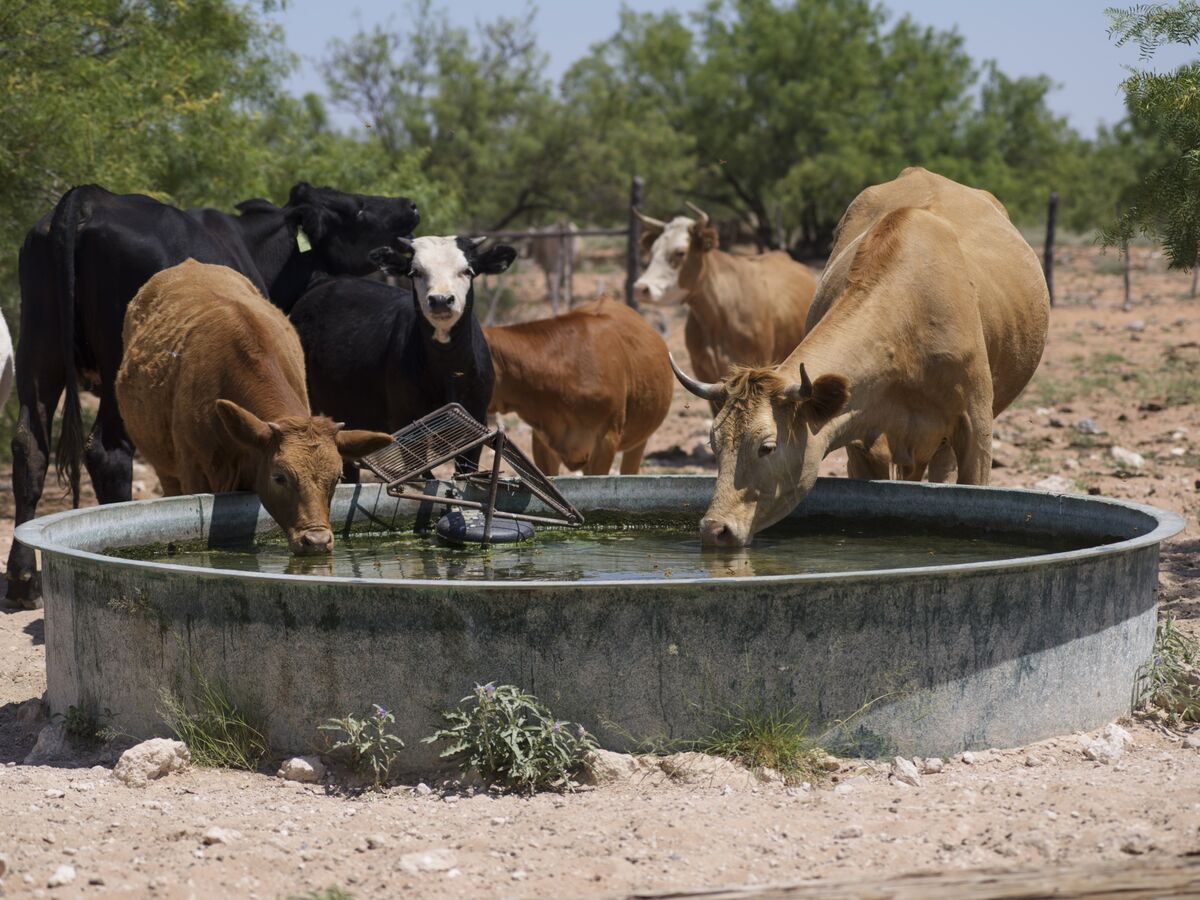
Permian Basin oil producers are exploring desalination to recycle excess fracking wastewater for agricultural use, addressing West Texas's critical water imbalance where energy firms face surplus wastewater and drought-hit farmers lack irrigation. This innovative approach offers a dual solution, mitigating environmental liabilities for crude companies while providing a vital water source for agriculture in the economically significant region.
A significant operational challenge in the Permian Basin—the management of excess wastewater from fracking—is being addressed through innovative desalination technologies. Houston-based energy companies are exploring the recycling of this wastewater for agricultural use, providing a potential solution to the severe drought conditions impacting West Texas farmers. This development presents a dual benefit: it could mitigate a substantial environmental and financial liability for crude producers while creating a new, reliable water source for the local agriculture industry. From an ESG perspective, this initiative represents a noteworthy shift from simple wastewater disposal to a circular economy model, potentially improving the environmental credentials of operators in North America's most prolific oil field. However, the situation is presented as being in an exploratory phase, supported by a low market impact score, suggesting that widespread implementation and its associated economic benefits are a future prospect rather than a current reality.
AI-powered research, real-time alerts, and portfolio analytics for institutional investors.
Request DemoOverall Sentiment
moderately positive
Sentiment Score
0.50
